

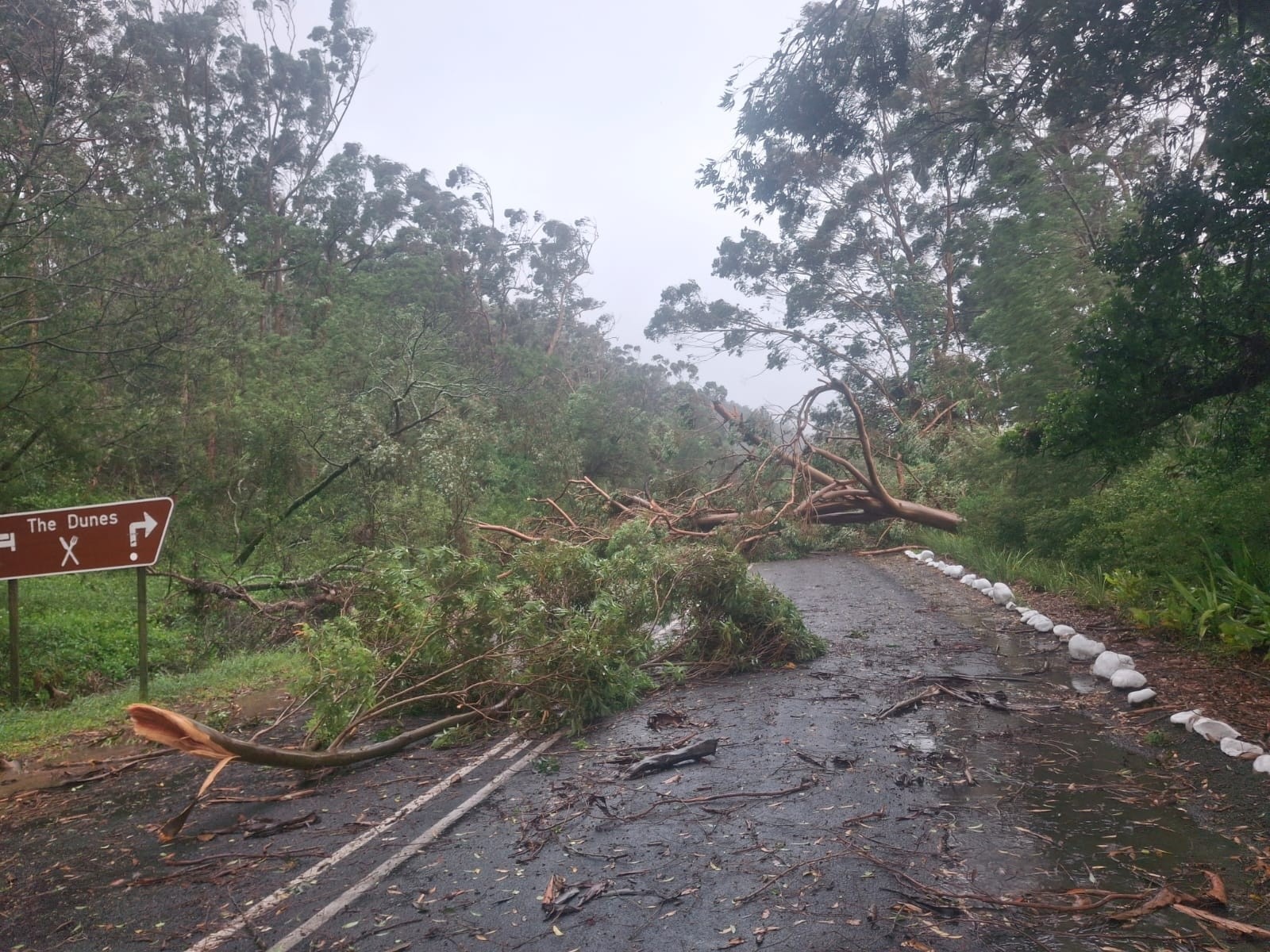
The National Disaster Management Centre (NDMC) has officially classified the severe weather affecting multiple provinces across South Africa as a national disaster, following days of destructive rainfall, flooding, thunderstorms, strong winds and snowfall.
Since 4 May, widespread weather impacts have caused significant infrastructure damage and disruption of essential services in parts of the Western Cape, Eastern Cape, Northern Cape, North West, Free State and Mpumalanga.
Government structures at all levels are now coordinating intensified disaster response, relief and recovery operations to support affected communities.
ALSO READ: Social worker dies after tree falls on car amid Garden Route storm chaos
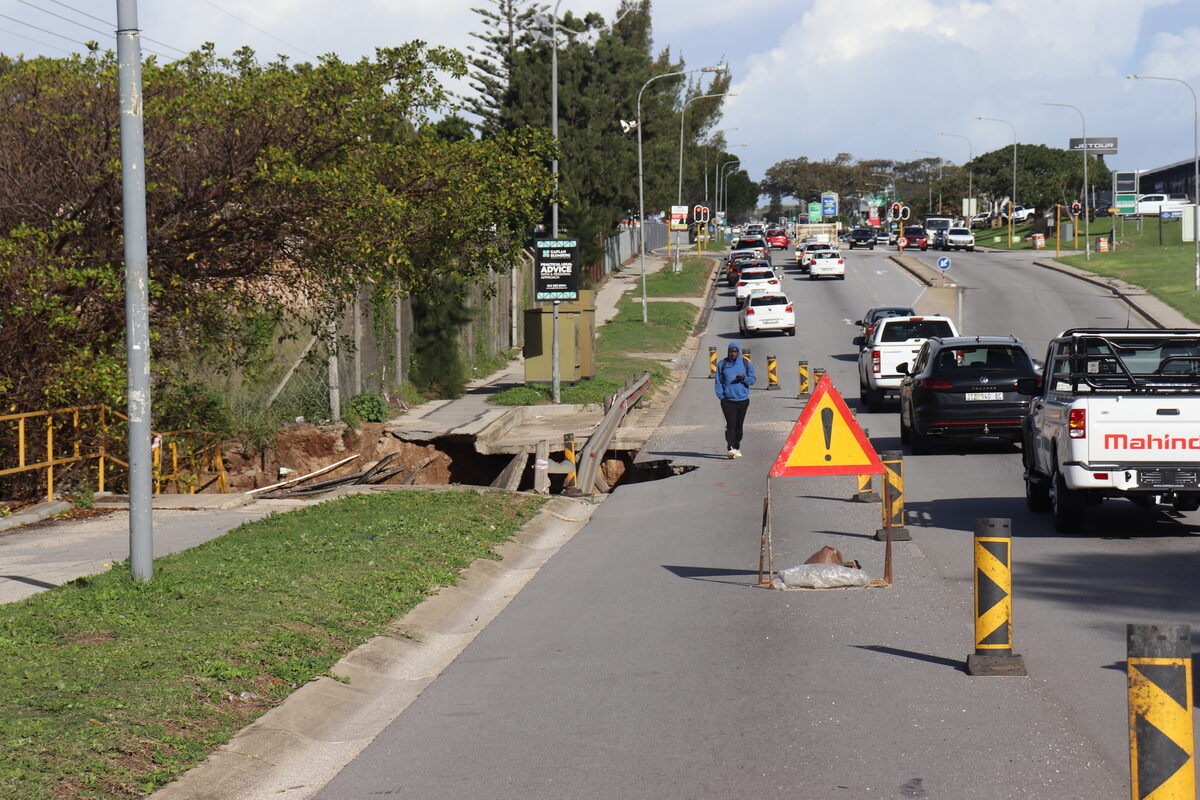
In Nelson Mandela Bay, water and electricity outages are continuing across parts of the metro days after severe flooding and infrastructure damage caused by heavy rainfall earlier this week.
Residents are still experiencing low water pressure, intermittent water supply and ongoing electricity disruptions in several areas, as municipal teams work to stabilise services following the storm damage.
While floodwaters have largely subsided in some areas, recovery efforts are ongoing and infrastructure repairs remain under way. Authorities have indicated that service restoration is progressing, but systems remain under pressure due to damage sustained during the severe weather event.
ALSO READ: NSRI sounds alarm over Kromme River as floods leave trail of destruction
Garden Route storm damage
According to Gerhard Otto, Head of Disaster Management, the Garden Route is experiencing its worst flooding in 30 years, with at least 45 roads closed and several communities isolated.
Aerial reconnaissance flights are underway to assess damage and locate stranded residents. Humanitarian relief operations are continuing, including assistance to approximately 100 people in De Vlugt.
Meanwhile, some essential services have been partially restored in the Bitou Municipality, while water systems are operational again. However, sewerage infrastructure remains compromised and under monitoring.
Haarlem remains completely cut off, with emergency aerial assistance requested. Additional operations are also underway in Avontuur, Uniondale and surrounding areas, while parts of the N9 corridor remain without electricity.
Multiple aerial rescues have been conducted, including:
- Two people airlifted from Meiringspoort after being trapped in a truck
- Two individuals rescued from Gamka Nature Reserve with medical supplies delivered
- Self-rescue reported in Van Wyksdorp after rising floodwaters
- Plans to airlift 11 guests from Die Hel near the Swartberg Wildlife Reserve
Community halls across the region are currently sheltering displaced residents in George, Bitou, Knysna and Oudtshoorn.
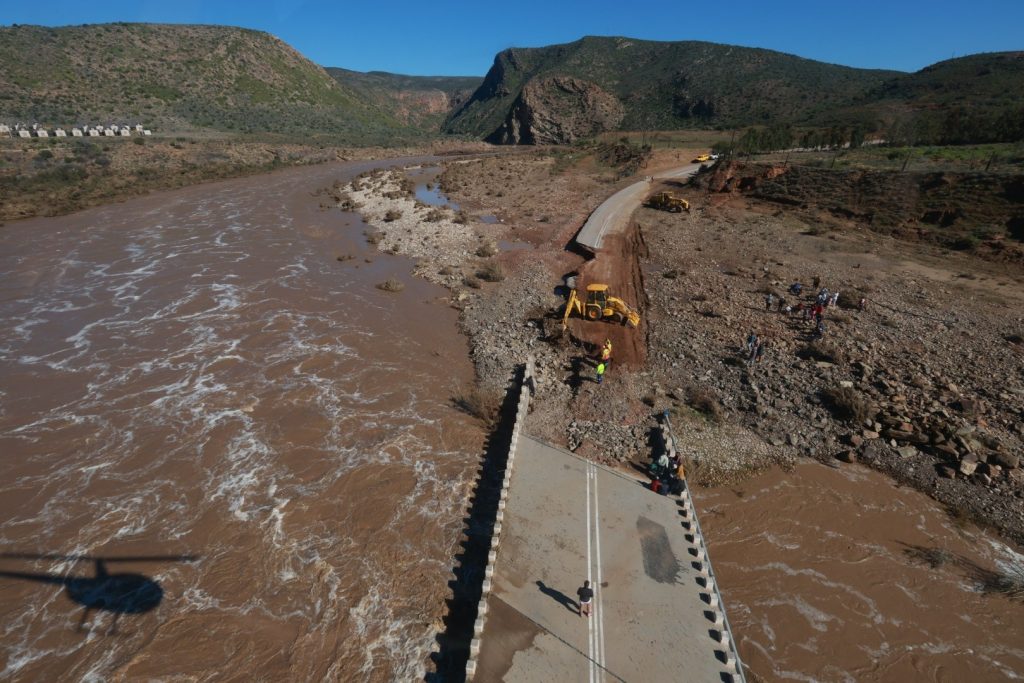
Road closures remain widespread across affected provinces, including the R328 to Cango Caves due to rockfalls. Authorities say updated road status reports will continue as assessments and clearance operations progress.
In Kouga, several routes have reopened, but major disruptions remain, including washed-away roads, closed bridges and unsafe crossings.
Residents are urged to exercise extreme caution, comply with all warning signage and avoid unnecessary travel as recovery operations continue across affected regions.
ALSO READ: Relief efforts ramp up as Gift of the Givers responds to flooding crisis





You must be logged in to post a comment.