
THE Nelson Mandela Bay Municipality is calling on residents and businesses to start initiating their own rainwater harvesting methods, as the heavy rain experienced sporadically over the last two weeks missed the catchment areas yet again.
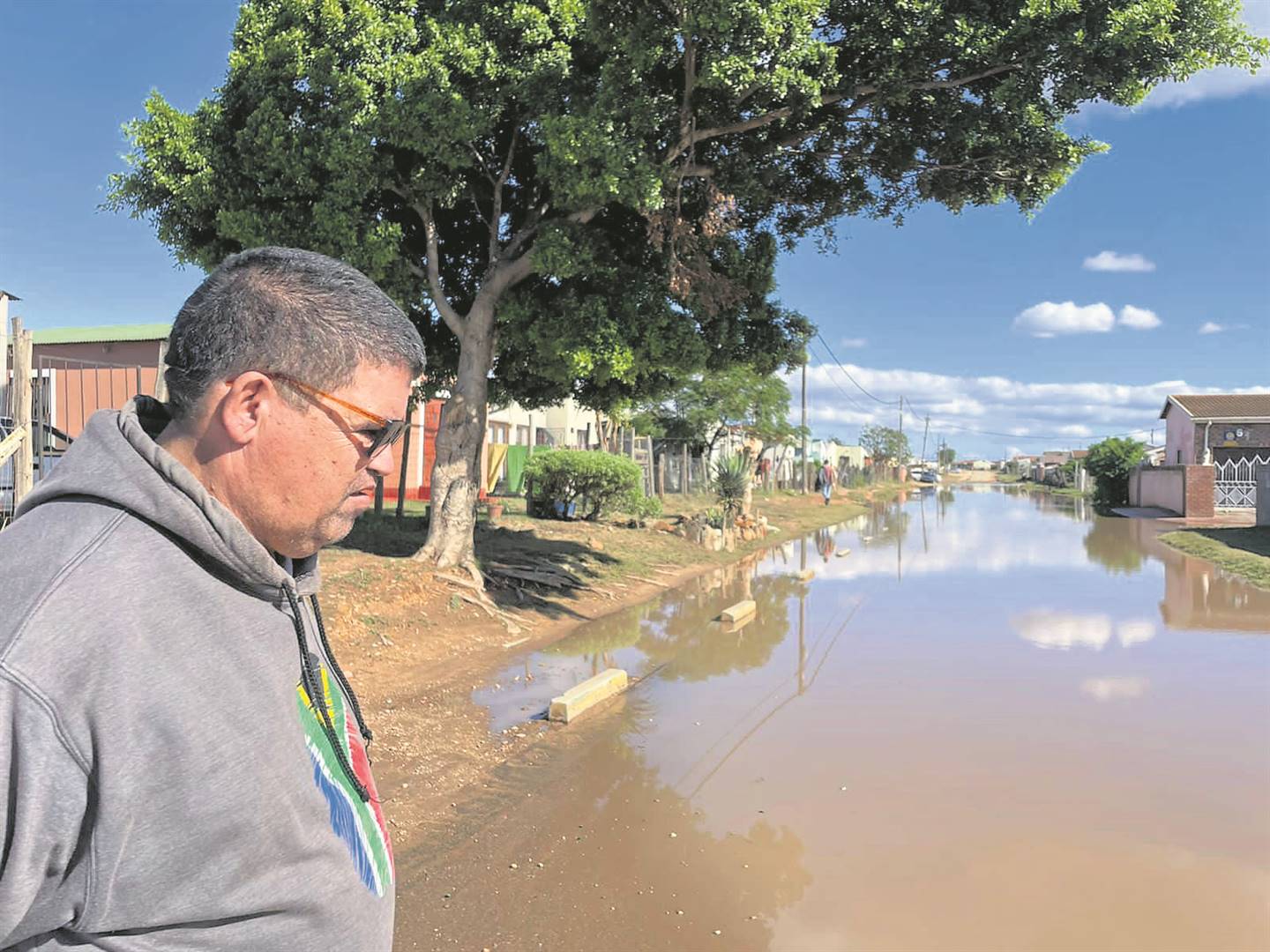
The rain led to flooding, which resulted in more than a thousand people being evacuated to different community halls as a precautionary measure.
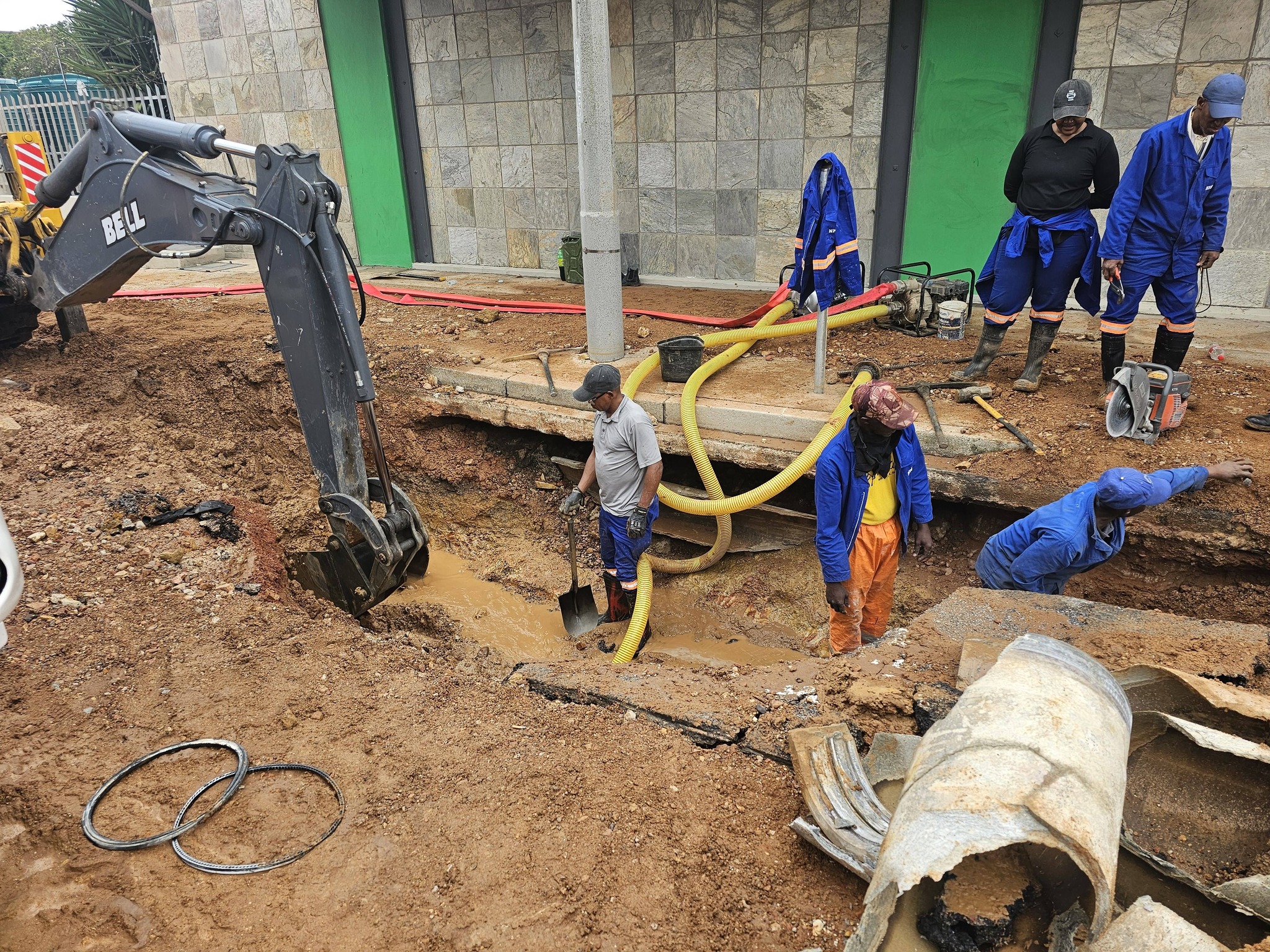
The metro has since been busy with mop-up operations to clear roads and residential areas, and unblock stormwater drainage systems.
Nearly 100mm of rain was recorded between May 12 and 14, while the catchment areas received between 20mm and 30mm during the same period.
The NMB Water Services Sub-directorate has been monitoring the inflow into the dams in the catchment areas since the beginning of last week, with a 3.79 percent increase recorded over the existing 13.03 percent level.
The last time the metro experienced similar heavy rain was in May last year; however, those showers only offered about a seven-day reprieve. At that time about 50mm fell within the Nelson Mandela Bay region; however, the metro had to evacuate people from flooded homes in low-lying areas.
According to the South African Weather Services forecaster, Garth Sampson, rain harvesting is one of the major means of reducing consumption. The Nelson Mandela Bay consumption levels remain very high, currently between 270 and 300 million litres per day.
“One need not go large initially. The misconception that one cannot afford to harvest water is not true. In fact, the opposite is true. One can start with 25-litre containers, old plastic oil drums, dirt drums or even flow bins.
“Then one can advance to proper tanks, each time saving money on your municipal water and sewerage account. You will soon see how this saving adds up. This excludes the cost of higher tariffs when consumption exceeds your limited allocation,” said Sampson.
“Although we may be moving to an El Niño weather pattern, a state favourable for summer rainfall regions but more favourable for winter rainfall regions, the seasonal forecast looks promising. However, we cannot stop our water-saving efforts until we actually receive the rain,” he added.
NMB Water and Sanitation director, Barry Martin, echoed Sampson’s sentiments that rain harvesting is a sustainable way of using water.
“This forms part of the Water Saving Lifestyle message that we have been communicating to residents and businesses. Any initiative of rainwater harvesting by residents or businesses, big or small, will add to a total that will make a meaningful difference in alleviating pressure on the system,” said Martin.
The Nelson Mandela Bay Municipality Disaster Management Centre has issued the following precautionary tips for future rainfall:
– Elevate important belongings, food, appliances and bedding.
– Avoid low-lying areas and river crossings at low-water bridges.
– Make sure that roofs are sealed against leaks.
– Try to divert water away from houses/shacks.
– Look out for weather warnings in the local media and Nelson Mandela Bay social media pages.
– If you have to evacuate, take warm clothing and blankets with you to the relief centre.
– Co-operate with Disaster Management officers on site as they are trained to assist you in mitigating the risk.
For any emergencies, affected persons can call the Service Delivery Call Centre on 0800 20 50 50 or the Nelson Mandela Bay Disaster Management JOC on 041 501 7990.
– ISSUED BY THE NELSON MANDELA BAY COMMUNICATIONS OFFICE