
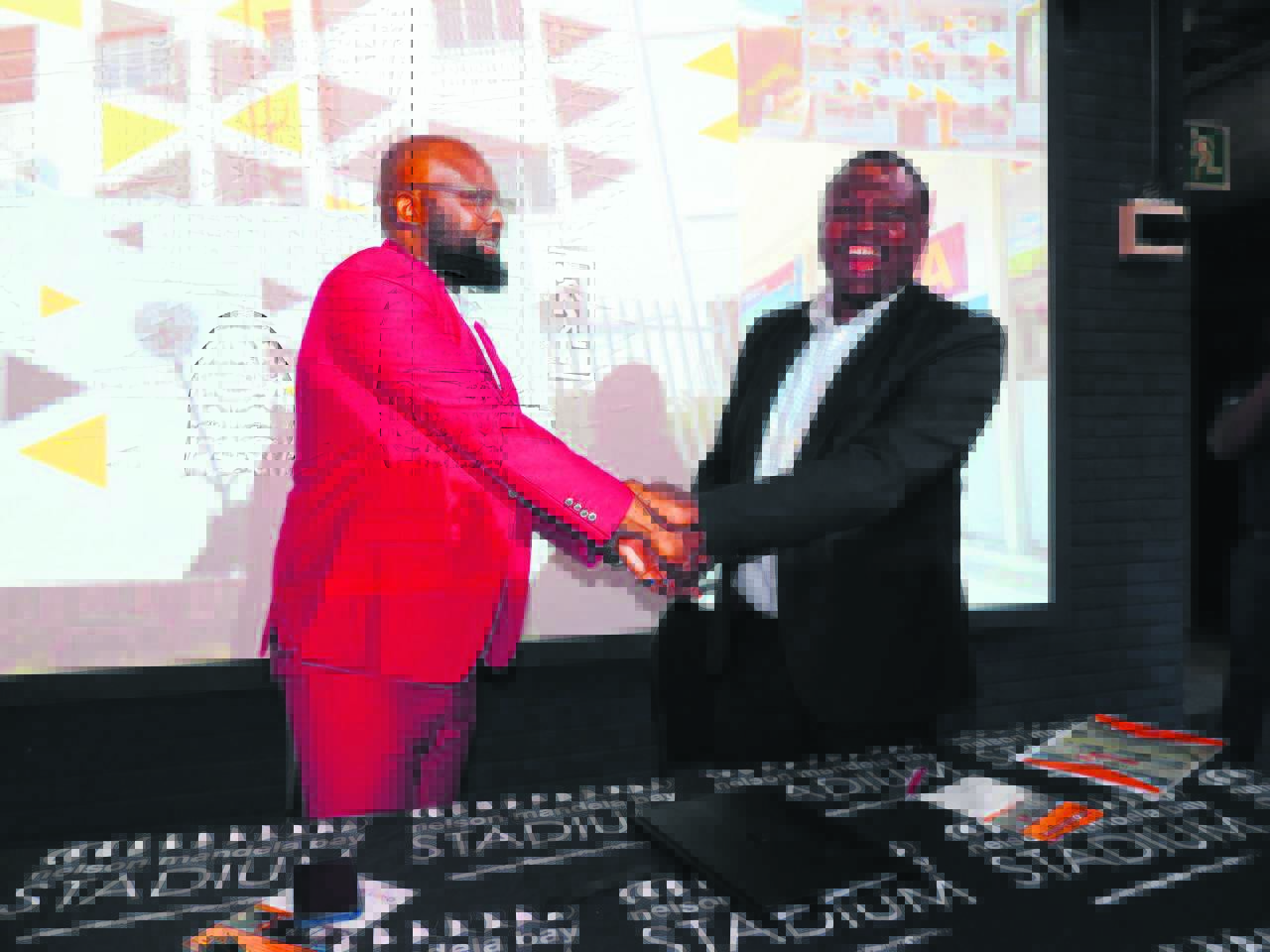
On a windy Friday afternoon in Gqeberha, members of the Mandela Bay Development Agency, executive mayor, Gary van Niekerk, the Eastern Cape Development Corporation, and media, gathered at the Nelson Mandela Bay Stadium to witness the signing of a R10 million agreement to bolster film sector infrastructure in the Nelson Mandela Bay region.
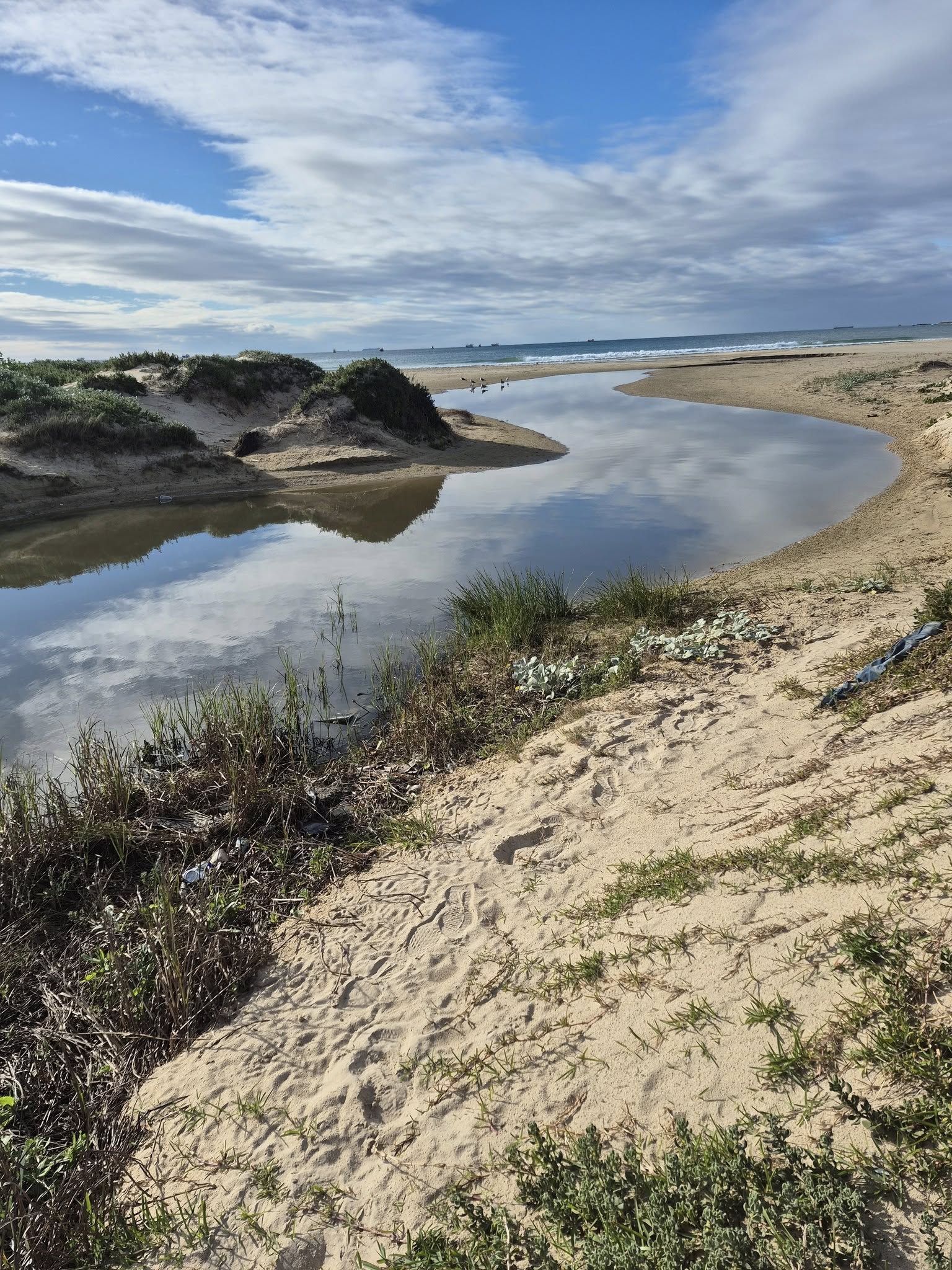
First, a quick visit to a film set on the beachfront.
The actors’ commitment was hard to miss, as they braved the sandy winds to film the last scene of a local project set for release soon.
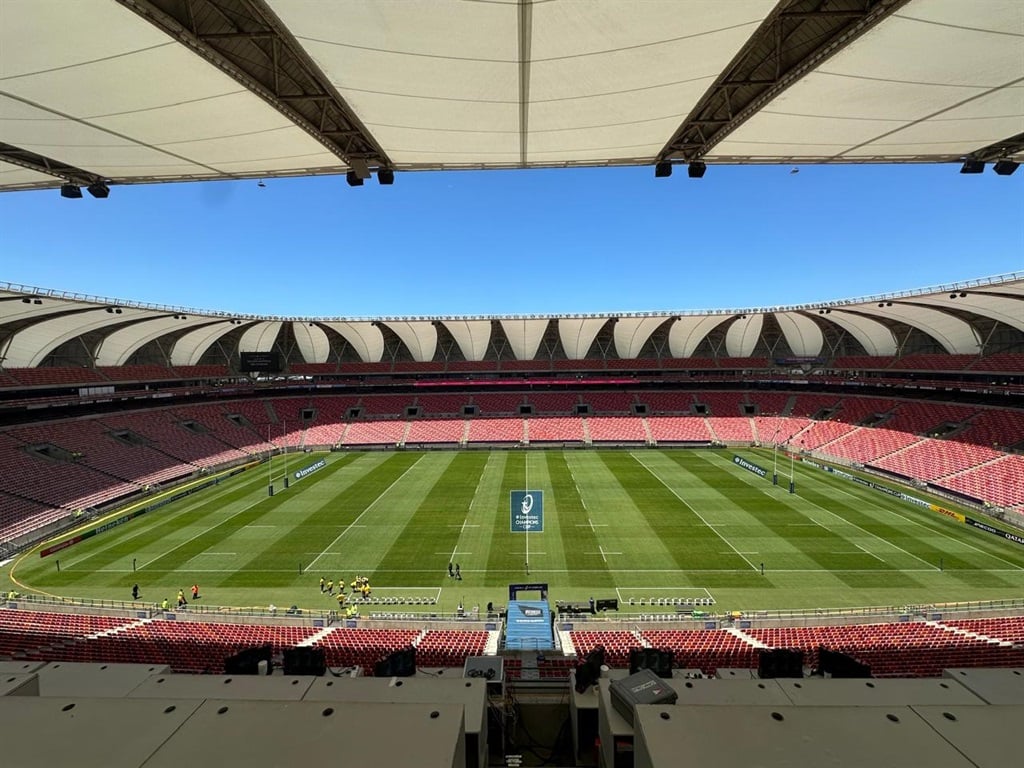
At the Nelson Mandela Bay Stadium Sports Museum attendees were treated to melodic tunes from local musicians, and delicious food and drink by local chefs, while looking out at the picturesque sunset over the empty stadium.
The agreement is intended to attract and retain film production in the region, increase induced film tourism in the region and promote the region as a film destination of choice, while reducing the cost of filming in the region over a three-year period, from October 1, 2023 to September 30, 2026.
In terms of the agreement, the ECDC will make available an initial budget of R5 million toward the realisation of these objectives.
In turn the MBDA will make available property or land valued at R5 million to set up the desired film infrastructure. The MBDA has committed the Aberdeen building as part of the agreement, as the first hub for film industry infrastructure support.
“The film industry is not just a source of entertainment; it is also a platform for innovation, cultural expression, and social transformation. It is an invaluable instrument of socio-economic transformation, with the potential to make an indelible mark on our unemployment challenges, skills development, revenue generation, and contribution to provincial Gross Domestic Product. It carries a myriad of opportunities for the small business sector in the Eastern Cape,” says Eastern Cape MEC for Finance, Economic Development, Environmental Affairs and Tourism, Mlungisi Mvoko.
“This is why the R10million Memorandum of Agreement between the ECDC and MBDA is critical in our film sector support packages. This strategic partnership is designed to lobby private and public partnership investments to establish a film studio and related facilities in the Nelson Mandela Bay Metropolitan Municipality. Provincial government has availed financial support through ECDC to make sure that film studios come into reality for the benefit of our local creatives.”
Mvoko added that although in its infancy, the film sector holds exciting growth prospects. Through its agencies, government is strengthening the province’s value proposition as a compelling film investment destination, with several sector-specific development tools.
Through the ECDC in particular, government has shone a spotlight on the sector by developing localisation support packages which will galvanise the sector. These support instruments have yielded significant economic returns for the Eastern Cape.
ECDC chief executive officer, Ayanda Wakaba, said that since 2018 the ECDC has invested R39million into 25 film productions on behalf of government. In turn, this funding has attracted an investment revenue of R499million into the Eastern Cape, while creating short-term employment for 8 400 people, with the majority being young people. In addition, a total of 690 local small businesses have benefitted from these productions being produced in the province.
“Developed infrastructure is critical for the growth of the industry. For the Eastern Cape film industry, infrastructure development encompasses a wide range of activities which are aimed at the establishment of the necessary physical infrastructure for production film studios and equipment hire companies. High production costs are still the main stumbling block in increasing the output of the Eastern Cape film industry, as most filmmakers do not have the upfront production cost funding needed to begin filming,” Wakaba explained.
“The most pressing challenge that the ECDC and the MBDA identified and now agree on, are challenges faced by the industry in terms of film production infrastructure,” says MBDA chief executive officer, Anele Qaba.
“For example, people would find it hard to shoot here as they had to bring truckloads of production equipment, which is a costly exercise for national and international film makers.
“In addition, the value ads, the editing, and final production would need to be sent out of town, creating value elsewhere, also migrating all the skills to other centres.
“We want the full value chain to remain in our city to improve job creation, revenue generation, and all related benefits, such as tourism growth through extended stays and spend in the city.
“The MBDA is committing the Aberdeen’s building into this agreement as the first hub for Film Industry Infrastructure support. Our teams have just returned from a fact-finding mission around the country, and in the coming days we will unpack learnings from that trip and develop our own unique operating model with input from industry players,” Qaba concluded.