
When it comes to managing the water crisis in Nelson Mandela Bay and planning ahead to become a water resilient city, there is one important question to be asked: Which road is best to follow, Nooitgedacht phase four or the desalination plant?
These were the words of the metro’s water and sanitation director, Barry Martin, during a recent workshop held by the metro to brainstorm ways in which Nelson Mandela Bay could become a water resilient city.
Martin pondered on whether or not the metro should put all its eggs in one basket with the Nooitgedacht Low Level Water Scheme by developing another phase or focusing on desalination.
He warned that desalination is extremely expensive and needs rigorous, orderly planning to be a success, that is also why it is better to diversify water sources and having a “water mix”.
This means that the metro should not just rely on water from one source.
“One of the critical things that we have realised during this drought is our current and future water needs. We currently have a water mix of three water sources. These are, the Nooitgedacht scheme (51% but approximately 70% during the drought), surface water (48%) and natural spring ground water (1%).
“Regarding diversification of that water mix into the future, the idea is that water will come from more varied sources of water,” he explained.
These would include using approximately 32% of surface water, 35% from Nooitgedacht, 10% from Coega recycled water, 12% from desalination and so forth.
“The key in building water resilience lies in the diversification of the type and location of water sources. Phase four of Nooitgedacht should be evaluated versus desalination,” Martin said.
He added that the desalination of sea water has become quite a controversial topic, with people saying that the metro has a lot of water losses. “However, we have to put that in the water mix.
“We have to plan for that in future because what we’ve learned from desalination of seawater thus far is that planning is key.
“If we don’t plan these projects properly and leave them for a disaster to dictate the terms, we are going to pay a huge premium for it.
“So, if you plan adequately in advance, put your procurement processes in place in advance and get the market to price this appropriately, they will pose less risk and the biggest thing here is risk.”
He said that a critically important decision to be made is whether to start Nooitgedacht phase four first or the desalination plant.
“Do we put more eggs in one basket with Nooitgedacht or do we once again diversify and make it more a spread across the water sector from where the water can come from in the future?”
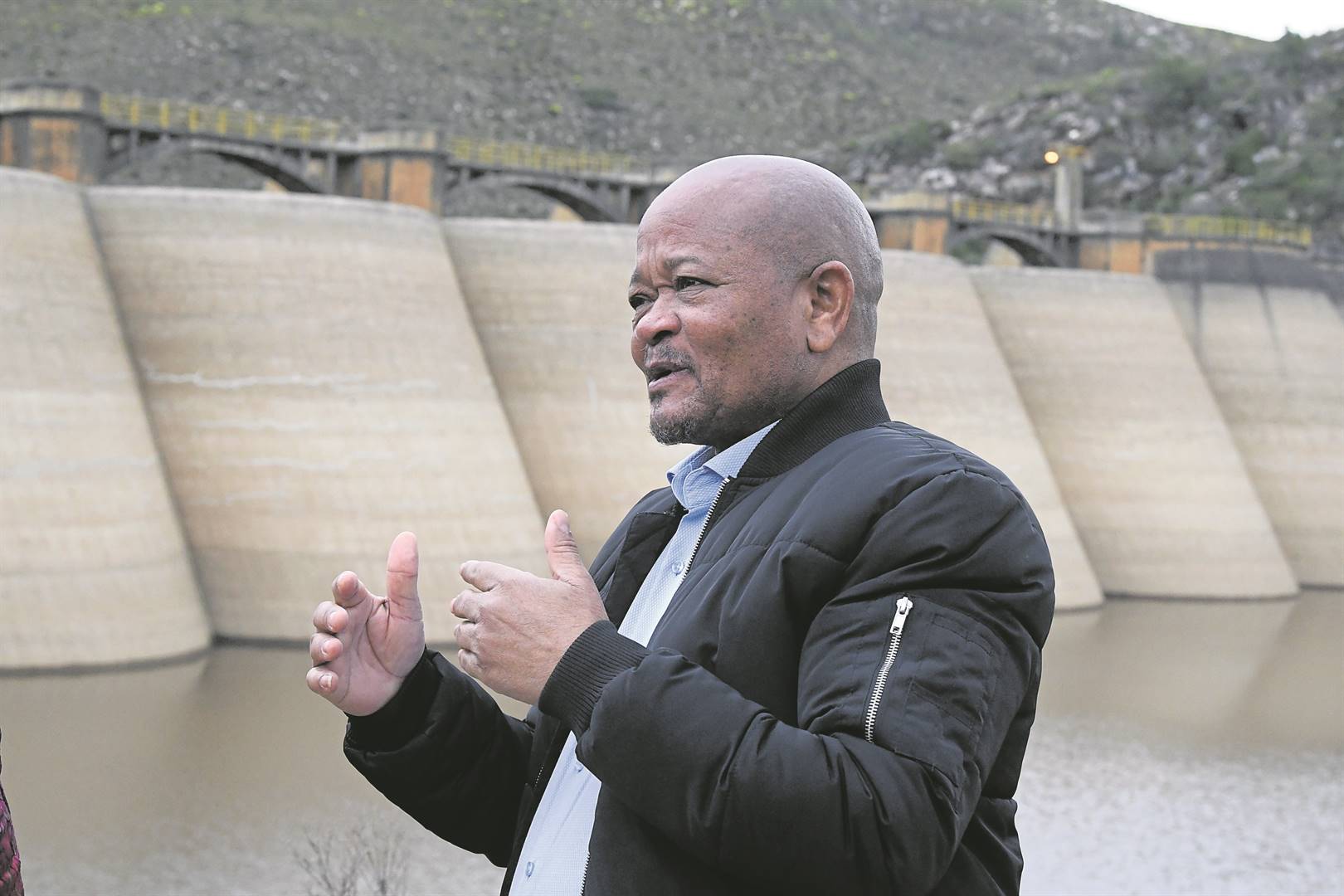
Minister of Water and Sanitation, Senzo Mchunu, who also attended the workshop, agreed that another Nooitgedacht phase will be needed soon.
“Nooitgedacht phase three has come at the appropriate time. We are surely going to have to think about building another phase to build a new, water resilient Nelson Mandela Bay,” Mchunu said.
He mentioned that it doesn’t matter how full the Gariep Dam (that supplies water to the metro through Nooitgedacht) is, residents must be very thoughtful of how this water is used.
“Let’s see if it’s not time to initiate phase four for another 70ML of water.
“We need to think about sustainability and so far, the first three phases have been sustainable.”
The minister added that this drought is an attack and that the Nelson Mandela Bay Metro should defend itself.
“We have to do it together; we have to do it innovatively. We will not sit back and cry and say that we are under pressure but we will welcome the pressure with pleasure.
“We are here to assist as national government but we need to tackle this together as a community,” he said.