
THE Nelson Mandela Bay Municipality recently received a major boost from the Department of Water and Sanitation (DWS) to help in the ongoing drought crisis, which has led the metro to Day Zero.
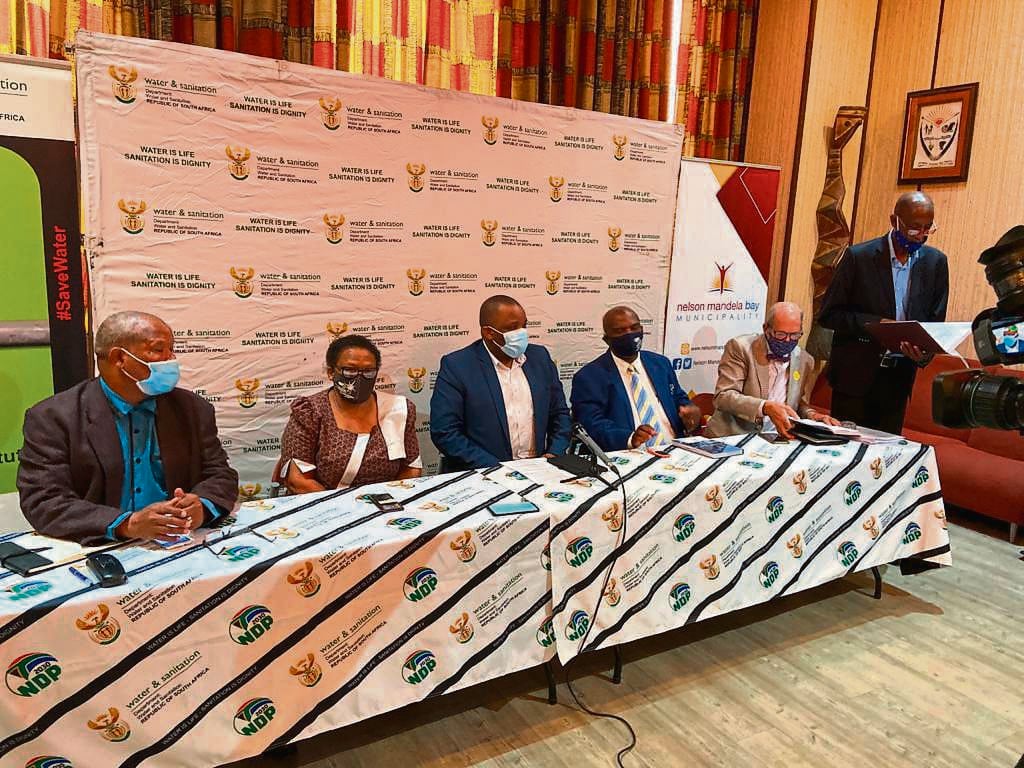
During a media briefing at the City Hall, the department’s acting director general, Trevor Balzer, announced that the DWS would lend 100 water tanks and 10 water trucks to the metro for two months.
He mentioned that a budget of R50 million had been allocated for drought intervention in municipalities.
“Through engagements with municipalities, we will identify the needs in those municipalities and see how best we can satisfy those needs with the available funds. That is in terms of the provision of static tanks that will be transferred and delivered to the municipalities to take responsibility and ownership of them as municipal assets,” he said.
Balzer added that the DWS would assist with carting of the water for a period of two months, since some of the needs of this metro had already been identified through previous engagements.
“Part of the exercise is to identify where one would collect that water. We need to bear in mind that most of these municipal areas are not totally without water, there is some water available, but you have areas that have run out of water and vulnerable communities that don’t have access to water because taps have run dry.
“One would be moving water by tanker from those areas where you’ve got boreholes still operating to the areas where you would erect the static tanks. Our team from the department will work very closely with the municipalities to identify where the vulnerable areas are,” Balzer added.
Acting Mayor of Nelson Mandela Bay, Tshonono Buyeye, welcomed the donation and said that it would boost the metro’s many interventions in tackling the water crisis.
“We appreciate the role that the minister has played, as we are all aware of the current situation faced by the province and our metro is no exception. It is not raining enough.
“The drought has had a huge negative impact and some people have lost their jobs due to this. As a metro, we wrote to the minister and I’m sure that this is a result of us going out of our way to ensure that we find solutions to the problems we are facing as a metro,” Buyeye said.
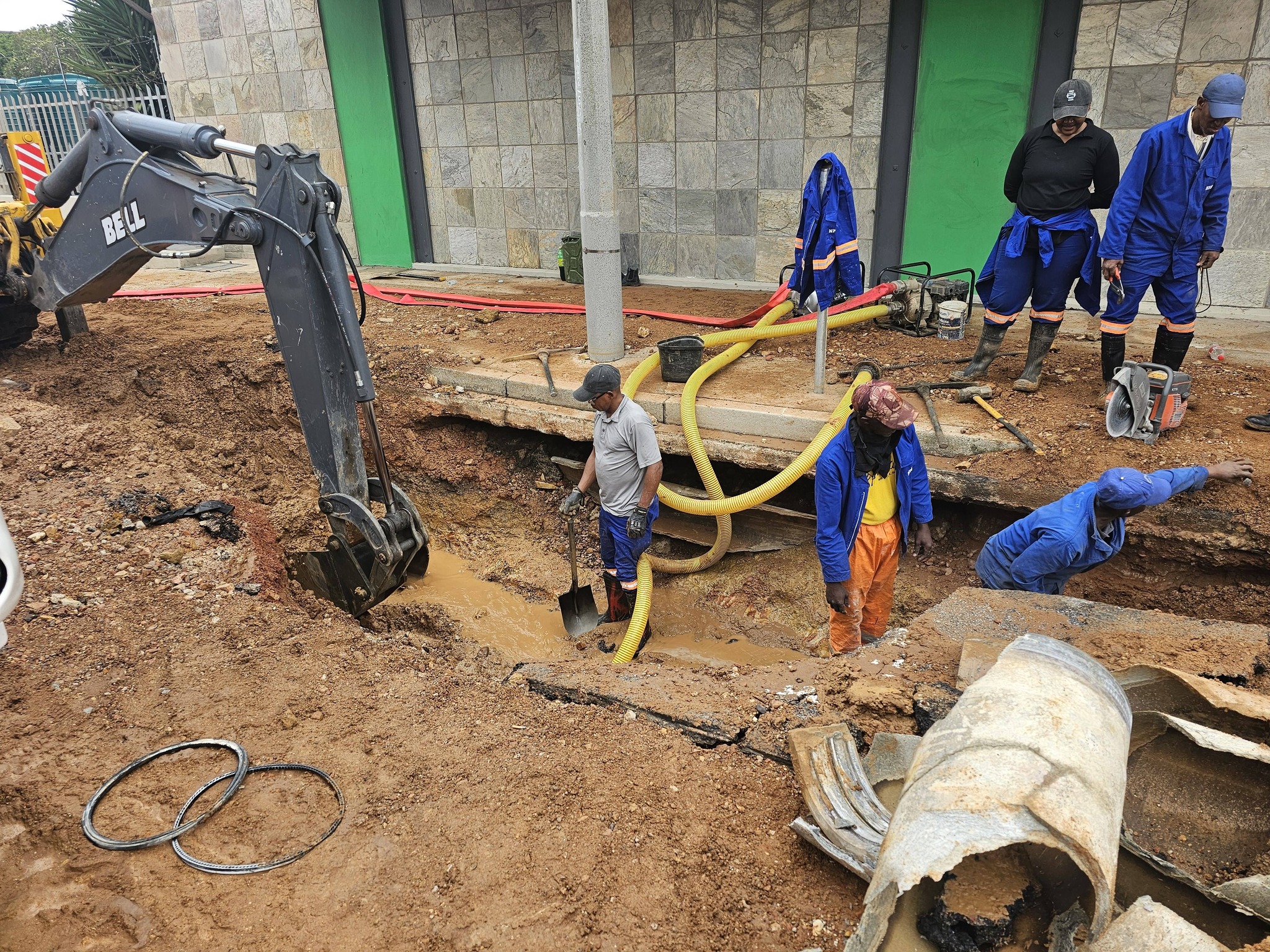
He mentioned that the metro had its own interventions for dealing with the drought, including fixing water leaks.
“We have put systems in place to deal with water leaks and continue to deal with that.
“We appreciate that the department is finally here to find solutions to the problems we are all faced with. We remain positive that working together, we will achieve good results, as no one sphere of government will solve this on their own,” he added.
“We need everybody to work together.
“Experts will tell you that even though we are expecting summer rains, the reality is that the average rainfall figures over the past 20 years predict that we are not expecting rain that will have a major impact on the dam levels,” Buyeye said.
Buyeye concluded that when the tanks were delivered, the most vulnerable areas would be prioritised. These included Uitenhage, KwaNobuhle and the western areas of the metro.
At the time of going to print on Monday, the metro’s combined dam levels stood at 18.45%, with the largest dam, Kouga, at only 8.09%.