
Nelson Mandela Bay used to be a quiet little city along the coast, where you could live relatively free from the shackles of crime.
However, over the last couple of years, this has changed exponentially, and some residents are even too afraid to let their children play outside just in case they are hit and killed by a stray bullet.
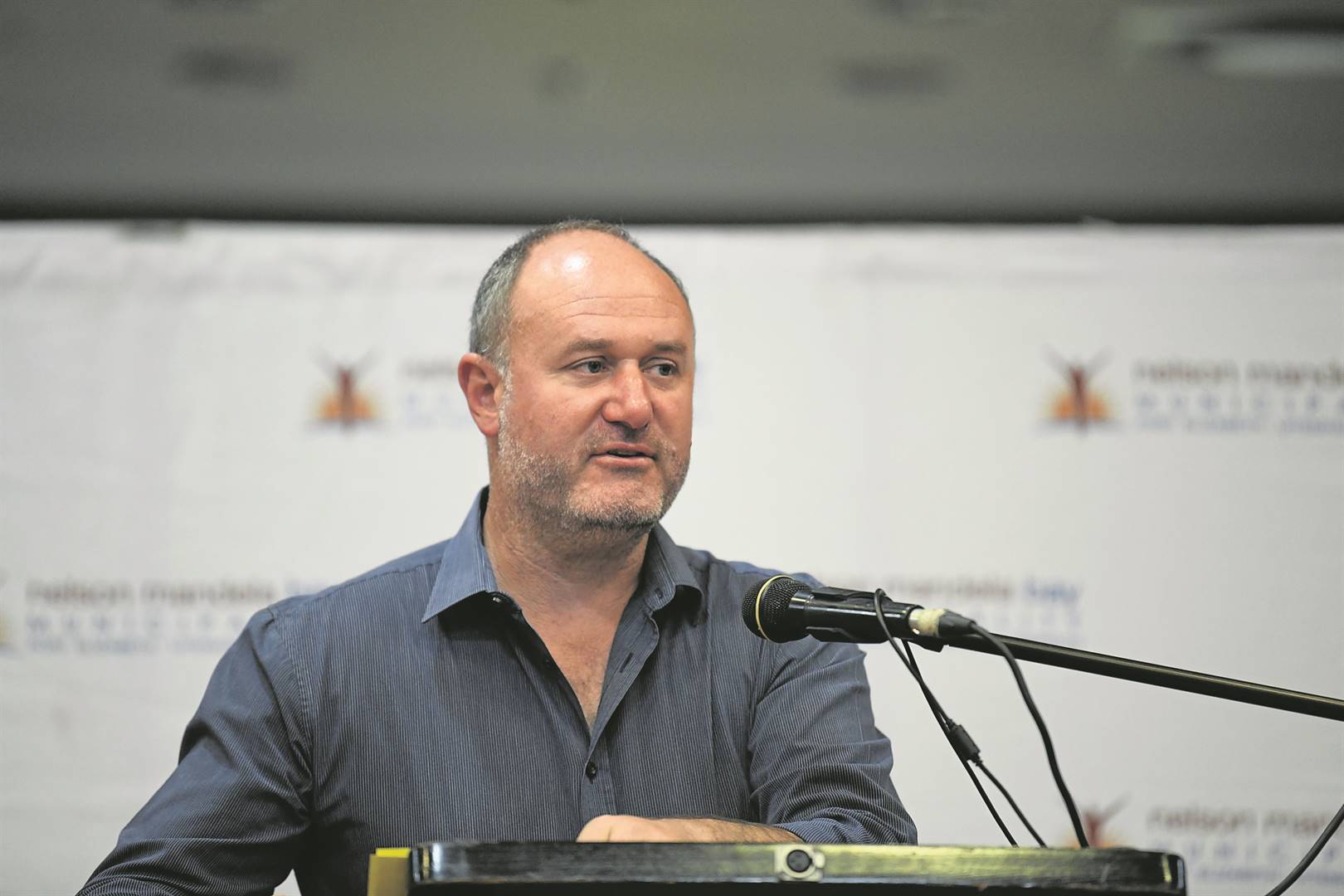
These were the words of Nelson Mandela Bay mayor, Retief Odendaal, during a recent crime summit held by the metro.
At this summit, representatives of several organisations, including the SAPS, Metro Police and Traffic Department, as well as ward councillors, members of the mayoral committee and religious and traditional leaders, came together to discuss the devastating effects of crime.
The summit also served as a platform for attendees to voice their concerns, and these representatives were given time to deliberate and come up with sustainable solutions for crime in the metro.
Odendaal emphasised that Nelson Mandela Bay is the metro with the lowest GDP per capita and highest unemployment rate of all the metros in the country.
“I think that it was to be expected from such a metro that the socio-economic circumstances were going to be of such a nature that crime was inevitably going to soar.
“People are living in unfortunate conditions that sometimes force them into a life of crime. I am not making excuses for them, because the state of lawlessness that we see in Nelson Mandela Bay must come to an end, but it does highlight another failure of this city and that is the failure to grow this economy,” Odendaal said.
He mentioned that the metro needs to go back to the days where children could play outside safely until 20:00 or 21:00 during the summer, and where they could ride their bicycles in residential areas, leave them outside and not worry about them being stolen.
“At this moment, we are not a city to be proud of,” he said.
MMC for Safety and Security in the metro, Lawrence Troon, spoke about the origin of crime and said that crime begins at home, when parents do not discipline their children..
“Until we identify where crime comes from, we will never be able to fight crime. When there is a lack of discipline at home, it is only a matter of time until that child clashes with the law.
“We see vandalism taking place and immediately wonder where this person’s parent is, but lo and behold, when the perpetrator is arrested, it is sometimes their own mother that tries to find bail money for them,” Troon said.
He also addressed gang violence and said that most of the time, the parents of the gangsters are still alive.
“Where are they? Why are they not telling their children to stop this? More should be done to use technology to our advantage when fighting crime, especially drones. The executive director should perhaps put out a tender for drones. That way no one has to come forward and risk their lives to be witnesses against gang killings in court. We will have the drone footage to take to court,” he added.
Whilst Gender-Based Violence also formed part of the day’s discussions, the focus was also on vandalism and how it has cost the metro millions.
Acting director of Safety and Security, Warren Prins, said that with the metro experiencing an unprecedented amount of vandalism, a reward system should be implemented to catch the culprits.
“People won’t just come forward on their own, but they will eventually come if there is a reward. We need to also explore technology to fight crime because we cannot rely on the human factor alone.”