

Pet owners could be
forced to fork out over R33 000 to have an ingested foreign body
surgically removed from their dog or over R25 000 to treat their cat after
a dog attack.
This according to
GENRIC Pet Insurance, who says mega pet insurance claims are on the up.
An analysis of pet insurance claims by GENRIC Pet Insurance
shows that the average claims costs for veterinary treatment is on the rise –
while mega claims for bills upwards of R15 000 are increasingly common – putting
the cost of veterinary care in the realm of private healthcare for people.
- Claim: R43 400 for a Tibial Plateau Levelling Osteotomy surgery (American Bulldog).
- Claim: R15 600 to treat hepatopathy and liver disease (Pomeranian).
- Claim: R16 725 to treat a severe ear infection which eventually required surgery (Bulldog).
- Claim: R39 440 to treat a joint injury (Pekinese).
- Claim: R39 200 for a shoulder surgery (Pitbull).
- Claim: R37 866 for cruciate ligament surgery (Dachshund).
- Claim: R40 682 for joint related surgery (Bulldog).
- Claim: R35 821 to treat a cat for a dog attack.
- Claim: R35 000 for back surgery (Bulldog).
- Claim: R39 000 for IVDD back surgery (Dachshund).
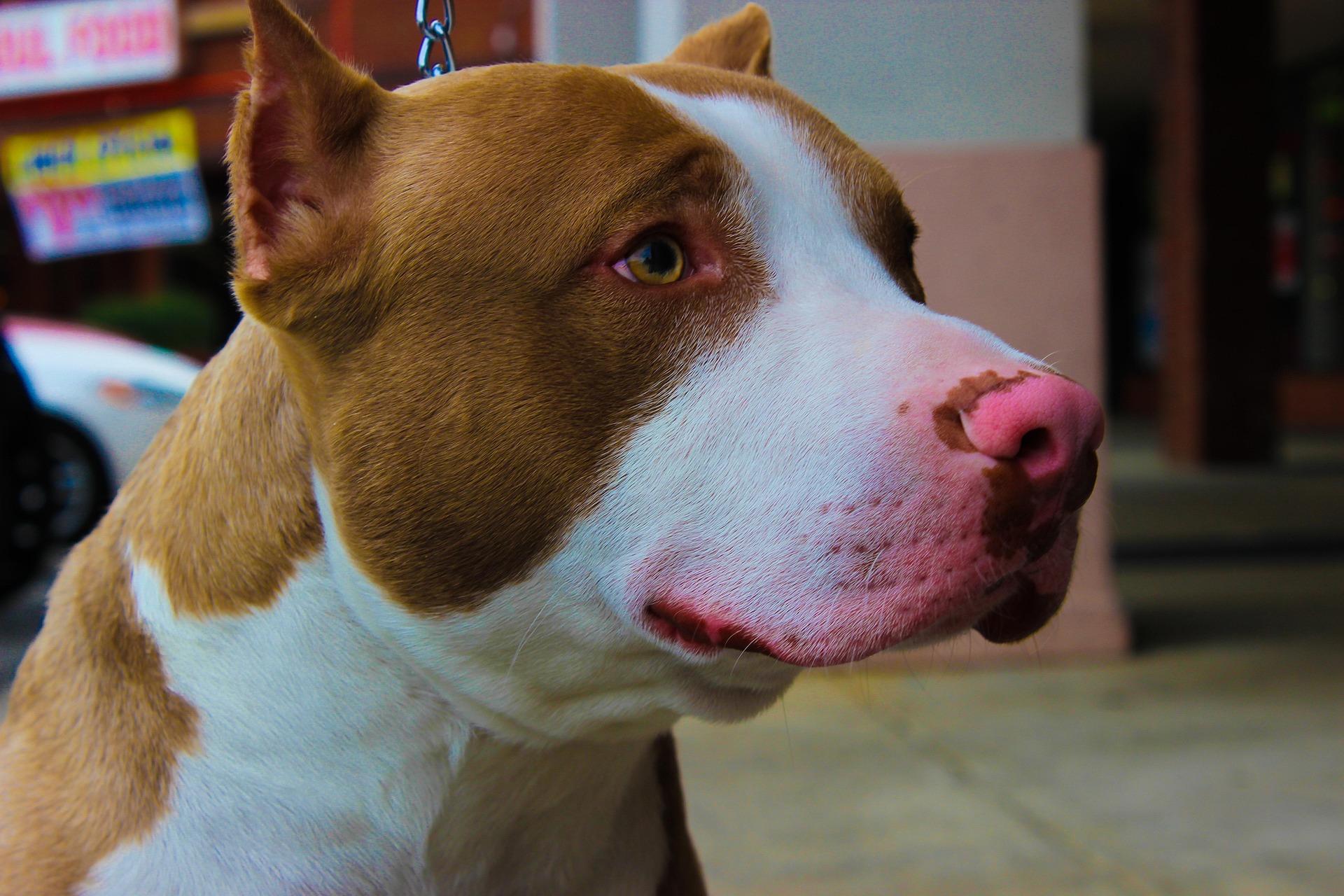
- Claim: R33 119 for surgery to remove an ingested foreign body (Pitbull).
“These
claims are not insubstantial amounts and in all instances are unplanned and unbudgeted
costs that these pet owners would need to self-fund from their own pockets if
they did not have pet insurance in place. For any pet owner faced with
these costs and without the financial means, it could mean an untenable
decision between their finances and their
pet’s health and survival,” said Candice Hobday, a director of ARCO360, an
equine and pet insurance brokerage offering GENRIC Pet Insurance.
“For many pet owners, their pets are family
members, so having an insurance solution that takes care of their pet’s
healthcare needs – in much the same way as people rely on medical insurance in
a health crisis – is non-negotiable,” said Candice.
“If things
do go wrong and their pet gets sick or injured, they want the peace of mind
that they can afford any unexpected veterinary bills – and will never be forced
into an untenable decision because they cannot afford a big upfront cost for
treatment. In the current economic environment, not many
people have access to large amounts of cash at short notice, and in a
veterinary emergency, these amounts can be substantial.
“In
many instances, vets will require a 50% upfront payment before any emergency
treatment will commence. Pet insurance is a financial planning essential
for every pet owner, not only for emergency and unexpected treatments, but also
managing costs of routine care such as vaccinations and so on. This is
especially the case where people have multiple pets and where veterinary
expenses can quickly ratchet up to very substantial amounts,” explains Candice.
“Pet insurance is a non-negotiable part of any pet owner’s financial
planning strategy. When you consider that a claim for the R43 000 TPLO surgery
would be equivalent to around nine years of pet insurance premium payments,
the value and peace of mind provided is immeasurable in an environment where
few pet owners can afford such a major financial knock,” explained Candice.
Drivers behind the high costs of animal health
Just like in your own
healthcare plan, ensuring that your pet has access to the best treatments and
latest veterinary technology, and better health outcomes, comes at a
significant cost. There are several factors
contributing to the high costs of animal health:
- Advanced Medical Technology:
Veterinary medicine has advanced significantly with the availability of
advanced diagnostic tools, imaging equipment, surgical procedures, and
specialised treatments. These technologies come at a high cost, and
veterinarians need to invest in them to provide the best care for animals. - Specialised Training and Expertise: Veterinarians undergo extensive education and training to acquire
the necessary skills and knowledge to treat animals. This training comes at a
significant cost and tuition. - Veterinary Shortage: Another
factor driving up costs is the serious shortage of qualified vets in South
Africa. According to the South African Veterinary Association, only about 150
students qualify every year from the University of Pretoria’s Onderstepoort
Veterinary Institute – the only institution in the country that offers a
Bachelor of Veterinary Science degree. According to SAVA, more than 60% of
listed veterinary positions are still unfilled after a year, and according to a
survey there are only around 3 500 registered vets. This means that in many
areas there may be a limited number of veterinary clinics and qualified vets,
which can lead to higher prices due to a lack of competition. If the demand for
veterinary services is consistently high, it is inevitable that clinics will
charge higher fees. - Overhead Costs:
Veterinary clinics have various overhead costs, including rent or mortgage
payments, utilities, equipment maintenance, staff salaries, and insurance.
These expenses are necessary to maintain a clean and well-equipped facility and
provide a safe and comfortable environment for both the animals and the
veterinary staff. - Medications and Supplies: The cost
of pharmaceuticals and latest technology used in animal treatment, surgical
supplies, laboratory tests, and other medical necessities adds to the overall
expense of veterinary care.
What to look out for when evaluating pet insurance options
Having pet insurance is a lot like health insurance for people,
protecting your finances from the unknowns and ensuring access to quality care
and treatment. However, not all pet insurance benefits are the same, and there
are many important terms and conditions that you need to consider- and
understand before you take up the cover.
GENRIC provides some
important factors to consider when evaluating your pet insurance options:
- Check for payment caps and limits – Check if the policy places a cap on what they will pay for in
respect of specific treatments and what the total cap is that they’ll pay in a
year, per pet. - Can you choose your vet – Check
if the policy allows you to choose to take your pet to any registered
veterinarian – that way you can take your pet to your usual trusted vet, or if
necessary, any specialist or emergency after hours practice if
needed. - Check if you get discounted premium rates for multiple pets
which really helps with those many vet visits, vaccinations and any unexpected
treatment costs. - Check
for age limits on the policies. - Check if the policy contains a specific exclusion for pre-existing
conditions – a pre-existing condition
means that it was a condition apparent in your pet before you took out the
policy. In most instances policies will exclude pre-existing conditions from
cover which is why it is so important to have cover in place while your pet is
healthy. - Hereditary, breed, size or condition restrictions – check if the policy excludes hereditary conditions, breed, size
or condition restrictions. For example, a policy may exclude cover for a back
condition typical of Great Danes – which really defeats the point of having the
cover. - Understand exactly what you are covered for – for example, an accident-only plan will cover treatment of
injuries after a mishap, such as a car accident or poisoning, but won’t provide
any cover if your pet takes ill or suffers an injury unrelated to an
accident.