
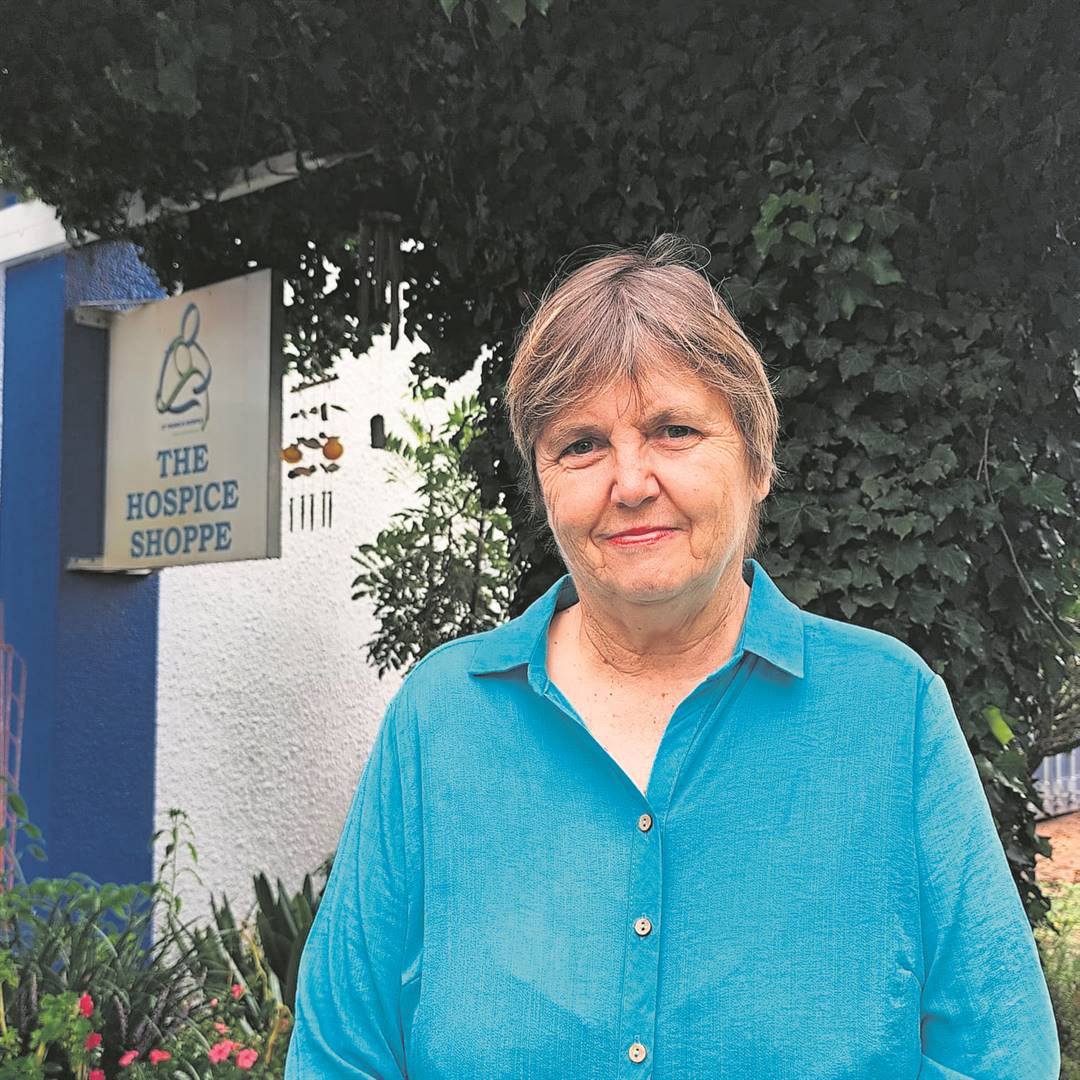
St Francis Hospice in Gqeberha, a vital institution since 1986, has appointed Carol Botha as its new director.
Botha, deeply connected to the hospice’s mission, was inspired to take on the role after her personal experience with her husband’s death after battling cancer three years ago.
“I’ve always admired the work St Francis Hospice does, and now I want to expand our services so more patients can access professional care during challenging times,” Botha said.
The hospice provides free palliative care, addressing the needs of patients with terminal illnesses such as cancer, HIV/AIDS, and Motor Neuron Disease, while offering crucial support to their families. Melanie Manson, of St Francis Hospice, highlighted, “We provide symptom relief and counselling free of charge, making our services accessible to all.” Botha agreed, “Our nurses are trained in counselling and we have an active psychosocial team that provides support. We also assist families with applications for grants to help ease their financial burden.”
Botha then outlined her immediate goals, focusing on financial sustainability and modernisation. “Without secure funding, we cannot continue providing essential services. We need to improve technology, streamline operations, and adapt to the ever-changing healthcare landscape,” she explained.
Maintaining financial health is no small task, as Botha pointed out. The hospice relies heavily on donors, fund-raising, and community involvement.
“It’s a delicate balancing act to provide free care and keep operations running,” she remarked.
The hospice faces various challenges, including operating in high-risk areas and addressing the stigma around palliative care. Furthermore, “There’s also still a general lack of understanding about palliative care and many people struggle with conversations about death and dying,” Botha explained.
Despite an ageing fleet of vehicles, which is one of their challenges, the dedicated home care team visits approximately 230 patients monthly. The hospice aids families by providing food parcels and assisting with grant applications.
Community support plays a pivotal role in the hospice’s success. Botha emphasised, “Schools, businesses, and individuals contribute significantly, ensuring we can continue our work.”
To increase awareness and understanding of palliative care, the hospice plans to use social media, educational materials, and public talks. Looking ahead, Botha aims to modernise technology to meet the growing demand for palliative care.
Reflecting on the hospice’s evolution since 1986, Botha shared, “Our patient numbers have grown dramatically. Though demand surged with the HIV/AIDS epidemic, successful antiretroviral rollouts have brought declines. Yet, sustainable funding remains a challenge.”
Botha urged for continued community support, saying, “We constantly seek sponsorships and donations. Palliative care is about dignity at the end of life – not just for patients but their families too.”