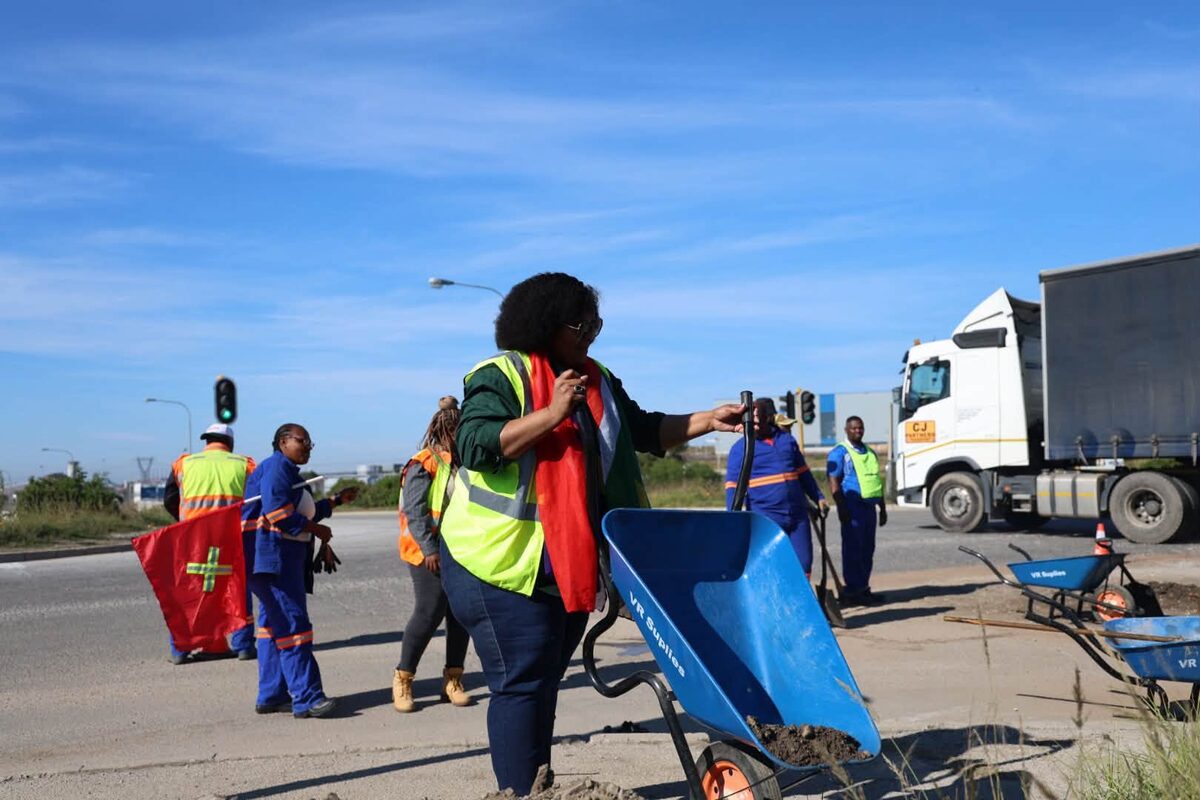

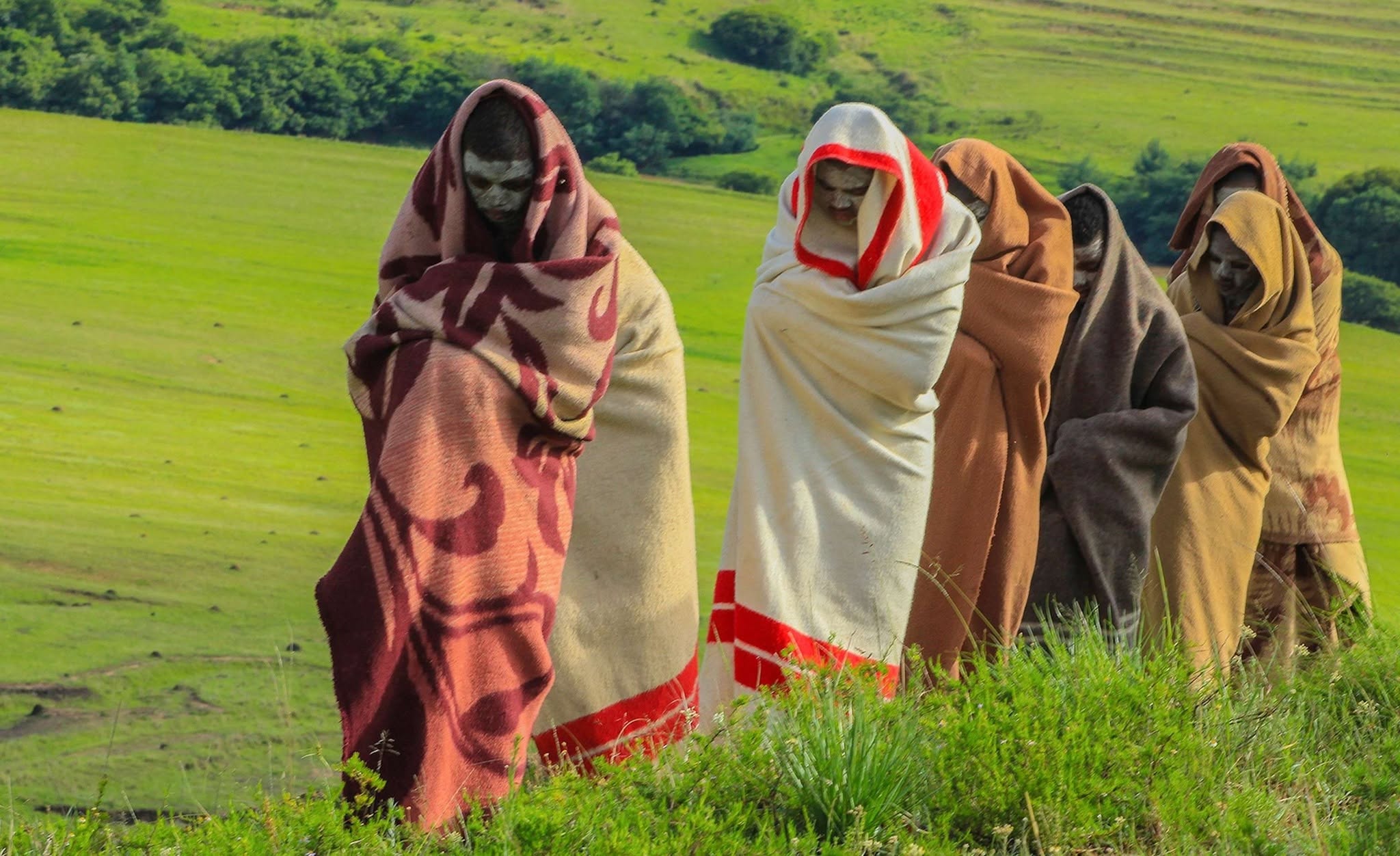
GQEBERHA – Traditional surgeons and their assistants across Nelson Mandela Bay have completed readiness training ahead of the upcoming summer customary initiation season.
Kariega hosted the first of the three sessions, at the LoveLife Centre in KwaNobuhle on 7 November, before the training moved to the Raymond Mhlaba Sport Complex in Motherwell on 8 November and the Mendi Arts Centre in New Brighton on 9 November.
The Nelson Mandela Bay Municipality (NMBM) said it was ready for the season after the NMBM Initiation Forum, in collaboration with the Department of Health, organised refresher and readiness training for the practitioners, known as iingcibi namakhankatha.
NMBM spokesperson Sithembiso Soyaya said the sessions had also updated practitioners and all relevant stakeholders on the latest health, safety and legal compliance requirements that must be adhered to before, during and after the initiation process.
Forms at ward councillor offices
Prospective initiates, parents and guardians have been called on to ensure the required pre-season medical screening and other compliance processes are followed before the initiation process begins.
Soyaya said they were expected to acquire and complete a form provided by the Department of Cooperative Governance and Traditional Affairs, which is placed at ward councillor offices. Ward councillor offices across the metro have already issued 5,500 forms, which have run out, and a second batch is expected to be available by 23 November.
Two medical check-ups required
Prospective initiates must also undergo a medical check-up at least three months before the envisaged circumcision date.
No prescribed form is needed for this initial examination, which establishes whether the initiate has an underlying medical condition that may require treatment before participating in the traditional initiation process.
A second check-up must be conducted 14 days before the initiation process begins, to confirm that the initiate is medically fit to participate.
Keeping initiates healthy
Where an initiate is found to be in good health, or has received treatment for an identified medical condition, Soyaya said parents and initiates must maintain that health status by following a balanced diet, drinking sufficient water, abstaining from sexual intercourse, not attending imiguyo (pre-initiation send-off gatherings) and not consuming alcohol.
Initiates should also maintain a positive state of mind and avoid unnecessary stress about the rite of passage into manhood, while parents or guardians closely monitor their child’s conduct and any sudden changes in behaviour or health, and seek appropriate assistance where necessary.
Strict legal framework applies
The municipality reminded parents, guardians, traditional surgeons, assistants and other stakeholders that customary male initiation must be conducted in accordance with the applicable legal framework.
The principal national legislation is the Customary Initiation Act, 2021 (Act No. 2 of 2021), which regulates customary initiation practices and initiation schools and sets out the roles and responsibilities of parents, traditional leaders, traditional surgeons, caregivers and government structures.
The Act requires initiation schools to be properly registered and establishes national and provincial initiation oversight structures.
The latest national regulations, the Customary Initiation Regulations, 2025, were promulgated under Government Notice R.6680 in Government Gazette No. 53436 on 26 September 2025 and provide further requirements for the monitoring, inspection, investigation and enforcement of compliance.
In the Eastern Cape, customary male initiation is also governed by the Eastern Cape Customary Male Initiation Practice Act, 2016 (Act No. 5 of 2016) and the regulations made under that Act. The provincial framework provides for initiation coordination structures, the roles and responsibilities of parents, traditional leaders, traditional surgeons and traditional nurses, and requirements relating to permission, initiation schools and the protection of initiates. Where provincial initiation legislation conflicts with the national Act, the national Act prevails.
Registered schools only
Soyaya urged all role-players to work together to ensure the season is conducted in a safe, lawful, dignified and culturally respectful manner, with the protection of the lives, health and wellbeing of all initiates remaining the priority.
He also urged parents and guardians to ensure their children attend only properly registered initiation schools and that all required medical, consent and legal processes are completed before the initiation process begins.
ALSO READ: Winter initiation season opens with renewed focus on safety