

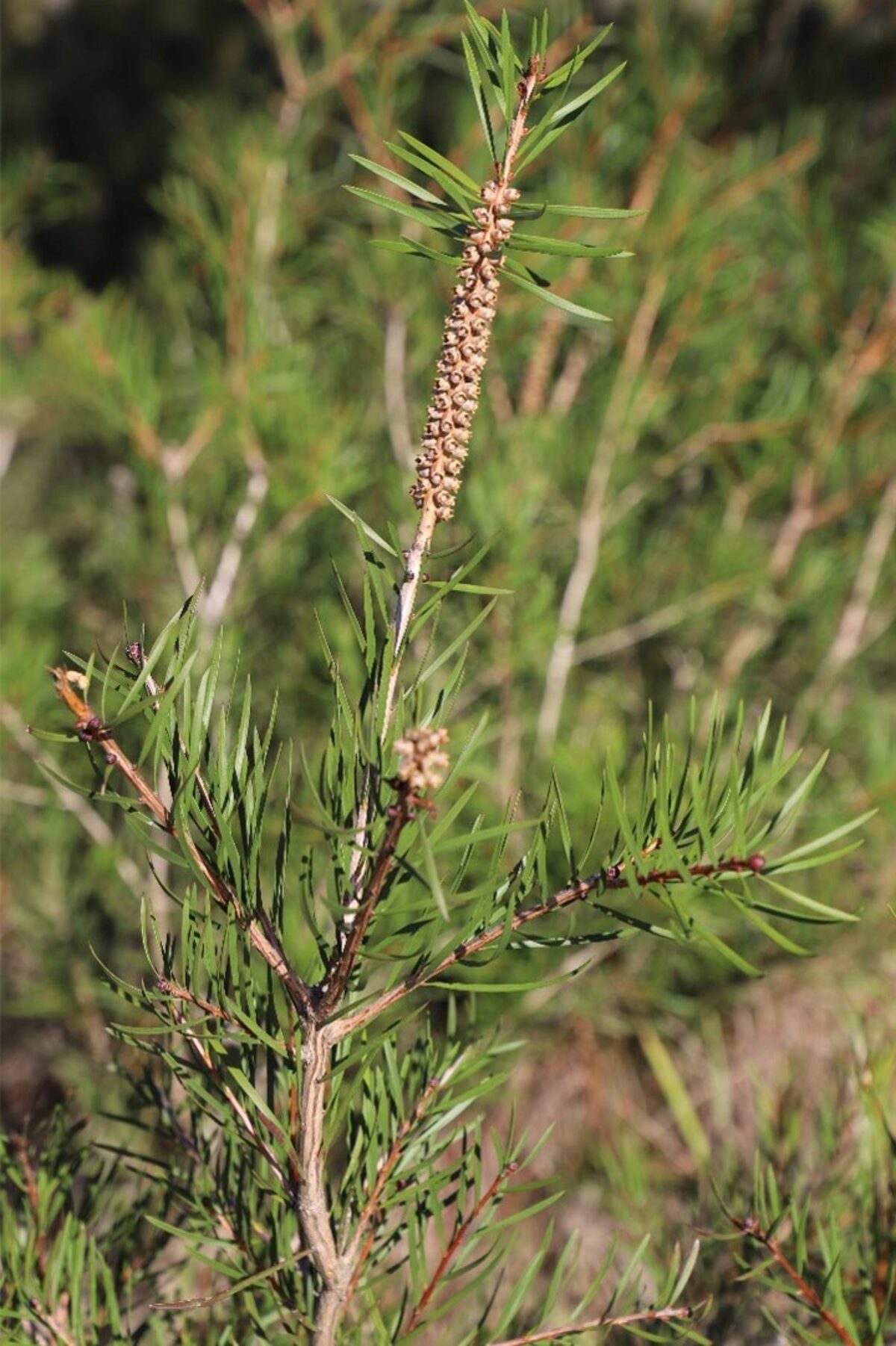
GQEBERHA – The early detection and removal of invasive alien plants is one of the most important strategies available to conservation authorities. Once an invasive species becomes widespread, eradication can become extremely difficult, expensive and, in some cases, impossible.
“Early detection and removal of invasive alien plants is one of the most important strategies available to us,” says Menzi Msizi Nxumalo, Assistant Manager at SANBI’s Eastern Cape Region.
“Once an invasive species becomes widespread, eradication can become extremely difficult, expensive and, in some cases, impossible.”
This is why the South African National Biodiversity Institute (SANBI) places considerable emphasis on identifying alien plants while populations are still small and localised.
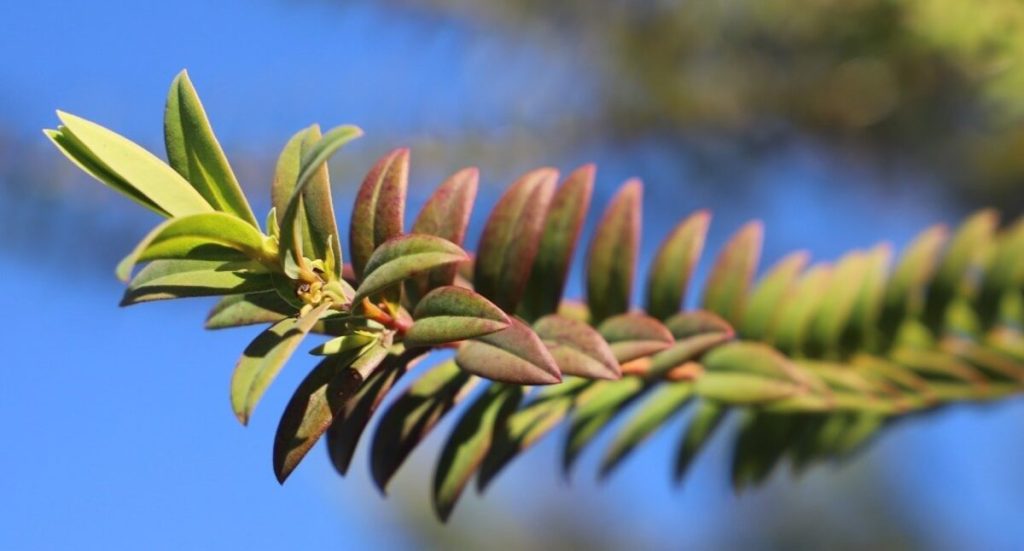
Recent observations of Melaleuca species in Gqeberha, including Melaleuca hypericifolia and Melaleuca linearis, are therefore cause for concern and warrant careful investigation, monitoring and, where appropriate, early control.
Melaleuca is a genus of plants belonging to the myrtle family, Myrtaceae, and is native primarily to Australia. Several species have been introduced to South Africa as ornamental plants because of their attractive foliage, flowers and distinctive bottlebrush-like inflorescences.
While individual ornamental plants may appear harmless, some Melaleuca species have demonstrated the ability to escape cultivation, reproduce naturally and establish populations away from gardens.
Research into introduced Melaleuca species in South Africa has found that several species have become naturalised or invasive, highlighting the importance of monitoring the genus.
The genus is particularly relevant to South African conservation because several Melaleuca species are already recognised under the country’s invasive species regulatory framework. M. hypericifolia is listed as Category 1a, while M. linearis is not currently listed under the Alien and Invasive Species Regulations.
Category 1a species are subject to eradication, while species that are not listed may be considered for risk assessment to determine whether listing under the NEM: BA Alien and Invasive Species Regulations should be recommended.
The apparent occurrence of these species in Gqeberha is significant because the Eastern Cape has historically had far fewer recorded naturalised populations of these plants than the Western Cape.
Melaleuca hypericifolia
Melaleuca hypericifolia has been spotted in Gqeberha, and research indicates that it represents a high invasion risk in South Africa. Modelling has indicated that, if allowed to spread, suitable habitat for the species could potentially extend across a substantial proportion of South Africa.
It is therefore recommended that M. hypericifolia remains an eradication target at known invasive sites, reinforcing the importance of early detection and rapid response.
Melaleuca linearis
Melaleuca linearis, sometimes associated with the common name “stiff bottlebrush”, is another Australian species that has been spotted in Gqeberha.
The species can grow in both relatively dry and waterlogged environments, increasing the range of habitats in which it could potentially establish. A risk assessment of this species is necessary to better understand its potential impacts and to inform appropriate management measures.
The most encouraging aspect of discovering small populations is that there may still be an opportunity to eradicate them. SANBI’s invasive alien plant programmes recognise the importance of targeting localised populations before they reach their full invasive potential.
The difference between removing a handful of young plants and attempting to clear hundreds or thousands of mature, seed-producing shrubs can be enormous. Early intervention therefore represents not only an ecological investment, but also a financial one.
A call for public awareness
The appearance of invasive Melaleuca populations is a reminder that invasive species management is not solely the responsibility of conservation agencies.
“Invasive-species management is not solely the responsibility of conservation agencies,” says Nxumalo. “Members of the public can play an important role by learning to recognise invasive alien plants and reporting suspicious populations, rather than removing potentially important specimens without first recording their location.”
He adds that people should avoid planting species that are legally restricted or recognised as invasive. South Africa’s regulatory framework places specific restrictions on listed invasive plants, particularly Category 1a species.
Garden centres, landscapers and property owners also have an important role to play by ensuring that ornamental planting does not become a pathway for invasive species to spread into surrounding natural areas.
An opportunity rather than a crisis
The discovery of Melaleuca populations in Gqeberha should be taken seriously, but it should also be viewed as an opportunity. “The discovery of these populations should be taken seriously, but it is also an opportunity,” says Nxumalo. “If they are still small and localised, we may have a chance to prevent them from following the trajectory seen elsewhere in South Africa.”
Experience with M. hypericifolia shows that sustained eradication efforts can reduce reproductive populations. Gqeberha is surrounded by valuable coastal ecosystems and indigenous vegetation. Preventing another invasive plant from becoming established is considerably easier than trying to reverse an invasion after it has spread across the landscape.
“When it comes to invasive alien plants, early action is one of the most powerful conservation tools available,” says Nxumalo.
ALSO READ: Gqeberha urban trees under threat from invasive PSHB beetle


You must be logged in to post a comment.