

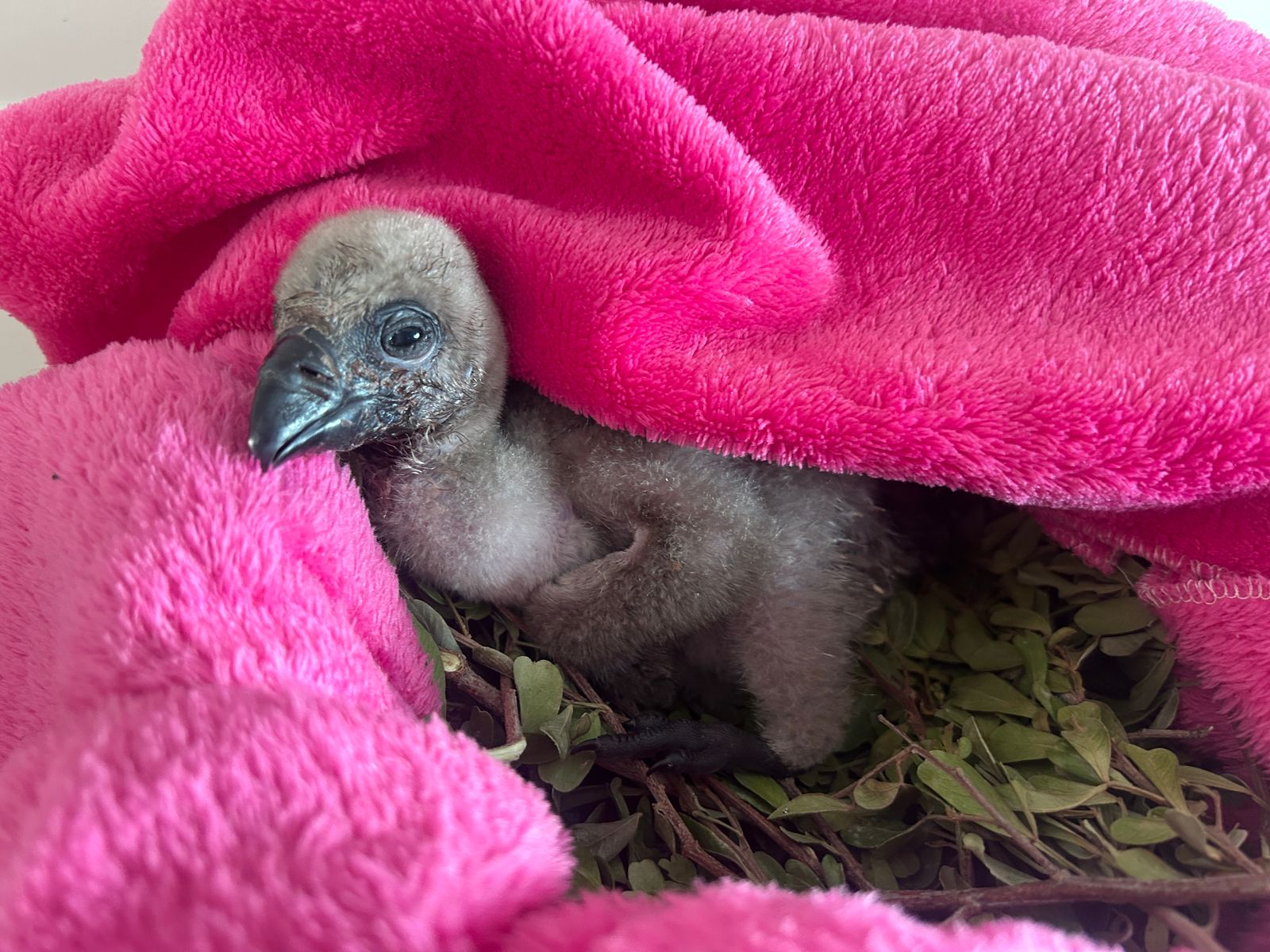
Twenty vulture chicks born during the current breeding season at Shamwari Private Game Reserve represent a major milestone for vulture conservation in South Africa.
What makes this achievement particularly significant is Vulpro’s approach: using non-releasable birds, often injured by energy infrastructure, as breeding stock to prevent vulture extinction.
According to a statement issued by Vulpro, an organisation dedicated to safeguarding Africa’s vulture populations through rescue, the breeding season began on 1 July, with more births expected before the season ends in mid-August.
Vulpro’s unique approach eliminates ethical concerns about removing healthy birds from fragile wild populations while giving meaningful purpose to injured raptors that would otherwise require lifelong care.
“What’s so special about our programme,” says Kerri Wolter, CEO of Vulpro, “is that all our non-releasable disabled birds still have value. They’re not just sitting in an enclosure being viewed or kept on an asset register with a price tag on their heads—they contribute to their wild counterparts’ survival.”
The breeding success comes after Vulpro completed the largest vulture relocation ever undertaken, transporting 160 birds across 1,042km from their facility in Hartebeespoort to enclosures at Shamwari.
The conservation challenge is immense. African vultures face an uphill battle for survival that extends far beyond human-induced threats like poisoning, powerline and wind turbine collisions. Vultures are naturally slow to reproduce, creating a perfect storm for population collapse.
The reproductive statistics are sobering: vultures lay only one egg per year during breeding season. Cape Vultures reach sexual maturity at approximately seven years old, White-Backed Vultures from five years, and Lappet-faced Vultures often longer than seven years.
“With such low reproductive rates, we cannot sustain the current losses,” Wolter explains. “Even in ideal wild conditions, survival rates from egg to adult hover around just 5%. When combined with human threats, the mathematics of extinction become stark.”
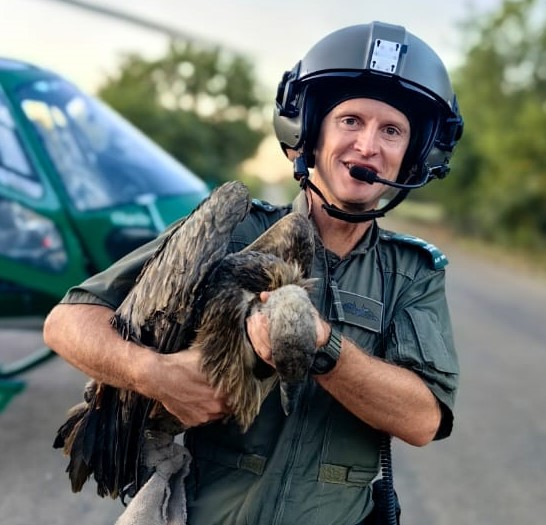
Vulpro now cares for around 300 individual birds, making it the world’s largest African vulture Captive Breeding Programme. Many of these breeding birds are victims of energy infrastructure collisions who, while unable to return to the wild due to injuries or disabilities, can still contribute to their species’ survival through reproduction.
This approach has grown into what Wolter describes as “a national asset.” Genetic diversity within the breeding stock, sourced from birds across different regions, ensures a robust foundation for future generations while simultaneously addressing the critical need to prevent population collapse.
“We need to prevent extinction whilst simultaneously addressing the threats,” Wolter adds. “When vultures reduce to critical levels, they also stop breeding.”





You must be logged in to post a comment.