
More than 200 schools in Nelson Mandela Bay still have asbestos structures, placing thousands of learners and staff at risk of contracting life-threatening illnesses.
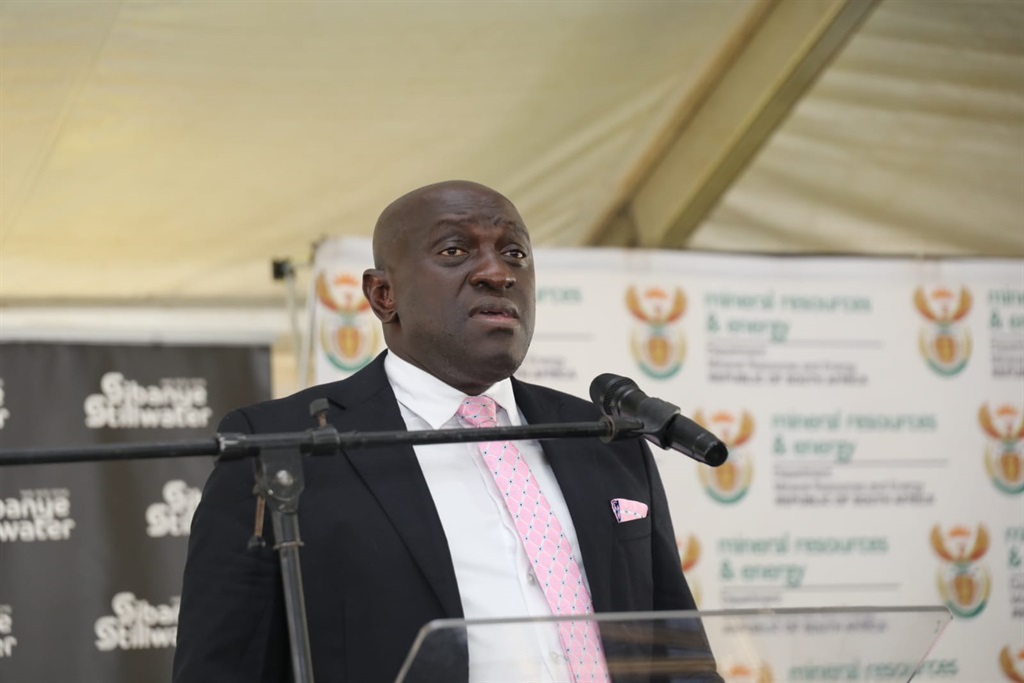
During a recent response to questions posed by the Shadow MEC for Education, Edmund van Vuuren, Education MEC in the Eastern Cape, Fundile Gade, said that 227 schools in the metro have asbestos structures.
The list of schools in the metro has been requested from the department by Van Vuuren but has not yet been received.
The Nelson Mandela Bay Metro has the third highest number on the list of districts with Amathole District Municipality having 328 asbestos structures and Buffalo City Metro 237.
This comes down to a total of 1 075 schools in the Eastern Cape with asbestos structures.
In the response, Gade acknowledged that when asbestos is disturbed or damaged and inhaled due to the absence of ceilings, it can cause serious diseases such as asbestosis – a chronic lung disease caused by the inhalation of asbestos – and asbestos-related cancer.
When asked whether the Department of Education has enough funds in the current or next financial year to replace and remove all asbestos items from schools in the province, Gade said that they do not have financial resources to replace or eradicate all schools with asbestos materials.
“Some of the funds are currently being made gradually (annually available) as part of the replacement of inappropriate school structures and building of new schools.
“There is no specific time frame for asbestos material replacement because there is no dedicated asbestos programme, but also because of the enormous financial resources required to decant learners from existing classrooms and ablution facilities in order to remove and replace the asbestos material,” he said.
He added that the amount required to replace the asbestos structures has not yet been established.
“The cost of replacing asbestos structures has not yet been determined because an assessment and costing must be completed. The department is currently assessing the condition of all of its immovable assets in the 2023/24 financial year,” he explained.
He added that the department does not have an asbestos policy and is guided by the Occupational Health and Safety Act 85 of 1995 and its regulations.
“Plans are currently in place to establish an asbestos management plan through the partnership (SLA) that is being finalised for implementation beginning in 2023/24 with the Nelson Mandela University,” he added.
Van Vuuren said that while the department delays taking action, learners are at increasing risk as the general conditions of their schools deteriorate, increasing the chances of asbestos exposure.
“Kicking this problem down the road is playing Russian roulette with our children’s lives,” Van Vuuren said.
One of the schools in Nelson Mandela Bay with asbestos roofs is Zanolwazi Senior Secondary School.
Principal, Mninawa Sitole, said that although the roof looks reasonable, it is old.
“The gutters and other parts of the buildings are bad though,” he said.
Sitole added that he did not know anything about the effects of asbestos and could therefore not comment on that.
Community activist actively involved in fighting for the rights of learners, Christian Martin, said that according to a report by the South African Human Rights Commission, government must come up with a programme on how asbestos would be removed from schools and even pre-1994 rental stock.
“We are already dealing with so many socio-economic problems at our schools.
“Therefore, the life-threatening asbestos plates need to be removed from schools with speed and urgency,” Martin said.