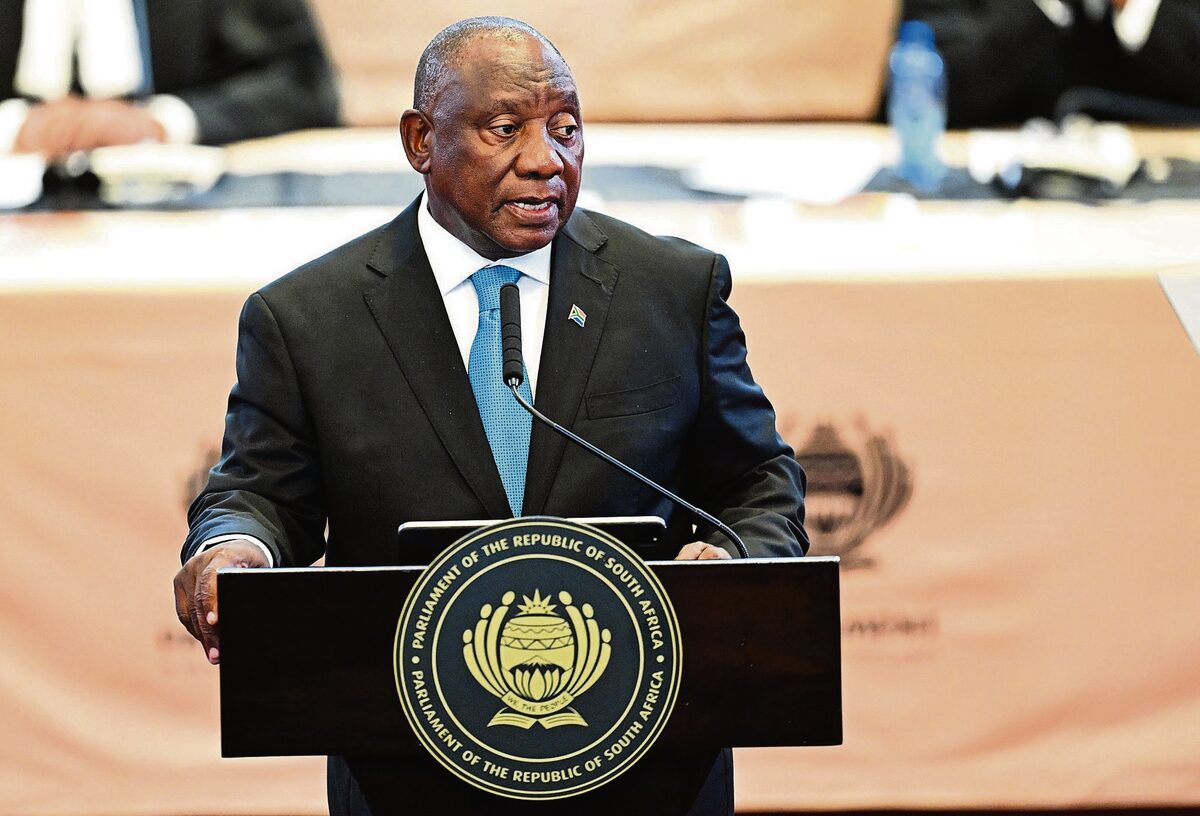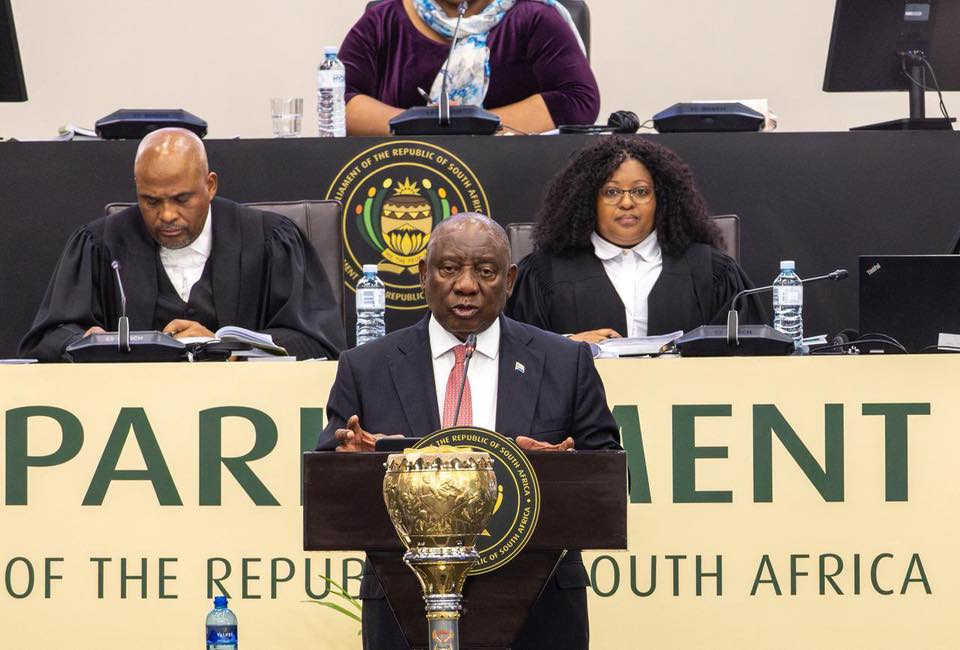
South Africa’s economy is showing signs of recovery with improved credit ratings and record tourism numbers, President Cyril Ramaphosa told Parliament during the Presidency budget vote speech.
The President also outlined the governments fight against corruption, having received a second report from the Madlanga Commission investigating criminality, political interference and corruption within the criminal justice system. The commission, chaired by Judge Mbuyiseli Madlanga, has already produced referrals that led the South African Police Service and National Prosecuting Authority to establish a special task team and open criminal cases.
Ramaphosa said the commission’s final report would strengthen efforts to rebuild the SAPS and restore public confidence in law enforcement agencies.
The budget speech confirmed improvements in South Africa’s macroeconomic environment, including strong tax revenue collection, stabilised national debt and recent credit rating upgrades. Standard & Poor’s upgraded the country’s rating whilst Moody’s shifted its outlook from stable to positive.
Tourism numbers reached a record 10,5 million international arrivals, whilst first-quarter tourist visits increased by 12% year-on-year. Agricultural exports rose by 11% between January and March compared to the previous year.
However, recent Statistics South Africa data revealed an increase in unemployment in the last quarter, raising concerns about job creation momentum. The government also warned that conflicts in the Middle East could drive up oil and fertiliser prices, potentially increasing inflation and the cost of living whilst slowing economic growth.
The Presidency outlined R1 trillion in planned infrastructure investment over the next three years, covering roads, dams, schools, hospitals, energy facilities and logistics networks. The sixth South Africa Investment Conference attracted pledges exceeding R890 billion.
Government has maintained over a year without load-shedding following interventions by the National Energy Crisis Committee and improvements at Eskom. The National Logistics Crisis Committee has worked with Transnet to address port and rail bottlenecks that previously constrained economic growth.
On state capture remedies, the implementation plan has progressed 60 actions with approximately 80% complete or on track. Recoveries have exceeded R17 billion, whilst draft amendments to the Protected Disclosures Act aim to strengthen whistleblower protections.
The government declared gender-based violence and femicide a national disaster and approved an action plan under the National Strategic Plan. A National Water Crisis Committee has been established to address municipal water delivery failures through short-term interventions and medium-term reforms, including ring-fencing water revenues.
Youth unemployment remains a priority, with the National Youth Service programme expanding to 100 000 opportunities. Government is reforming technical and vocational education and training colleges, sector education and training authorities, the National Skills Fund and community education and training colleges to improve skills development.
The District Development Model and presidential working groups for eThekwini and Johannesburg metros aim to fix local government service delivery. Land reform efforts include converting Proactive Land Acquisition Strategy leases to title deeds for beneficiaries.
South Africa’s economic diplomacy focuses on advancing the African Continental Free Trade Area, managing G20 initiatives and priorities under the country’s Southern African Development Community chairship.
DA criticises government failure on violent crime
Democratic Alliance Parliamentary Leader George Michalakis used the budget debate to condemn the government’s failure to address violent crime, stating that 58 South Africans lose their lives to violence every day.
“Our criminal justice system is failing at almost every level,” Michalakis said. “Behind every statistic is a human story – a child whose future has been stolen, a parent who will never return home, a family permanently shattered.”
ALSO READ: President defends decision to withhold Madlanga commission interim report
The DA criticised the police service’s senior leadership for repeated corruption and misconduct allegations, whilst noting that station-level officers lack basic resources. Michalakis highlighted incomplete investigations, inadequate prosecution capacity, overwhelming case backlogs and a correctional services system unable to account for more than 28 000 parolees.
“The result is a criminal justice chain that is breaking at every link – from investigation, to prosecution, to incarceration, and ultimately to rehabilitation,” he said.
The opposition called for provinces and capable metropolitan governments to receive greater powers to investigate crime, gather intelligence, manage forensic functions and develop targeted responses to local crime patterns. Michalakis pointed to Law Enforcement Advancement Plan officers and community safety programmes as examples of successful local interventions constrained by legislative limitations.
“If the President truly believes that this issue should rise above politics, then let us engage these proposals on their merits. Let us ask one simple question: will they save lives?” Michalakis said.
ALSO READ: President Cyril Ramaphosa faces questions on crime, economy and cabinet changes