

NELSON MANDELA BAY – Nelson Mandela Bay residents have been urged to drastically reduce water usage as the region faces a severe water crisis.
The drought affecting the Eastern Cape has been declared a national disaster, highlighting the urgent need for conservation and coordinated measures to protect the Metro’s dwindling water supply.
In a statement issued today (16 March), the Nelson Mandela Bay Municipality said the National Disaster Management Centre classified the drought as a national disaster in February, emphasising the severity of the water crisis.
Executive Mayor Babalwa Lobishe said it highlights the seriousness of the situation and the urgent need for residents to reduce water consumption.
“Water security remains one of the most critical priorities for our Metro. The investment we are making in infrastructure upgrades and drought mitigation interventions demonstrates the seriousness with which we are addressing this challenge,” she shared.
“However, infrastructure alone will not solve the crisis if water consumption remains this high. I am therefore making a clarion call to all residents, businesses and institutions to drastically reduce their water usage.”
According to the municipality, the combined dam levels supplying Nelson Mandela Bay stands at 40.29%, bringing the city dangerously close to the point where water security becomes severely constrained.
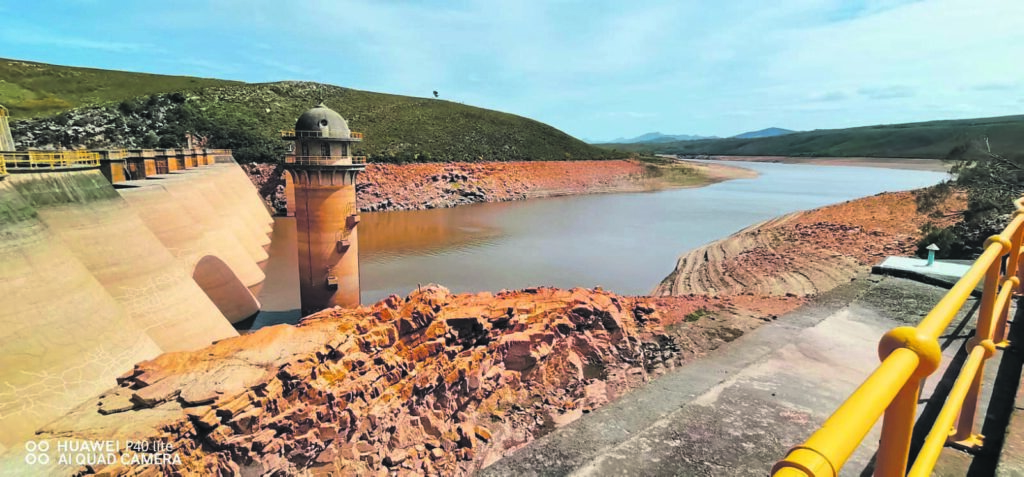
Dam levels significantly lower than last year
According to the Municipality, 10% of dam capacity is classified as dead storage, meaning it cannot be extracted through normal systems.
The drop is significant compared with the same period last year. In March 2025, the Metro’s combined dam levels were recorded at 73.85%.
The municipality’s largest dam, Impofu Dam, has also seen a sharp decline, dropping from 55.86% last year to about 39% currently. The decrease has been attributed to below-average rainfall during the prolonged drought affecting the region.
At the same time, water consumption in the Metro remains well above sustainable levels. The municipality said the city is currently consuming about 373 million litres of water per day, roughly 93 million litres above the allocated limit, placing additional strain on already depleted resources.
If consumption is not reduced, Nelson Mandela Bay could face severe supply constraints less than three years after the drought that nearly pushed the Metro to Day Zero.
Drought mitigation plan
To respond to the crisis, the municipality has activated its Drought Mitigation Plan, which outlines emergency measures aimed at stabilising water supply and reducing consumption.
These interventions include upgrading infrastructure to maximise water from existing sources, improving abstraction systems and pump stations, expanding the capacity of the Nooitgedagt Water Treatment Works, developing additional groundwater sources through strategic wellfields, implementing treated effluent reuse and accelerating pipeline rehabilitation and system upgrades.
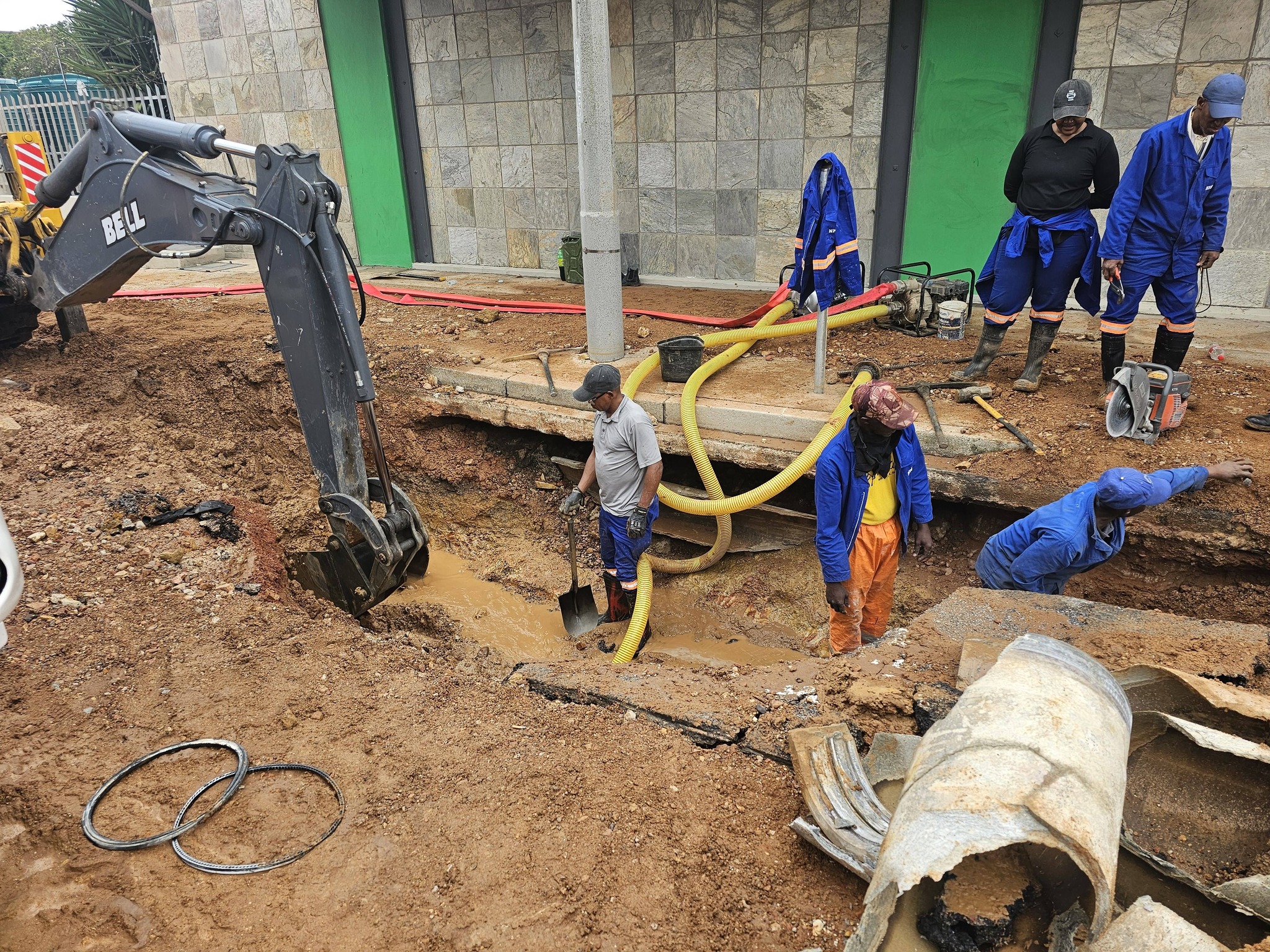
The municipality said more than R80 million has already been invested during the current financial year to refurbish pipelines, rehabilitate pump stations and appoint plumbing contractors to repair leaks and improve system performance.
Lobishe has called for collective action across the Metro.
“Water security is a shared responsibility. By adopting a water-saving lifestyle and reducing unnecessary consumption, we can collectively protect this critical resource and ensure that Nelson Mandela Bay continues to function during this difficult period,” she said.
ALSO READ: Municipality warns of possible water restrictions as dam levels drop



You must be logged in to post a comment.