
THE Coega Development Corporation (CDC) has upped its water conservation efforts in a bid to tackle the water crisis as it reaches dire straits in the Nelson Mandela Bay Metro.
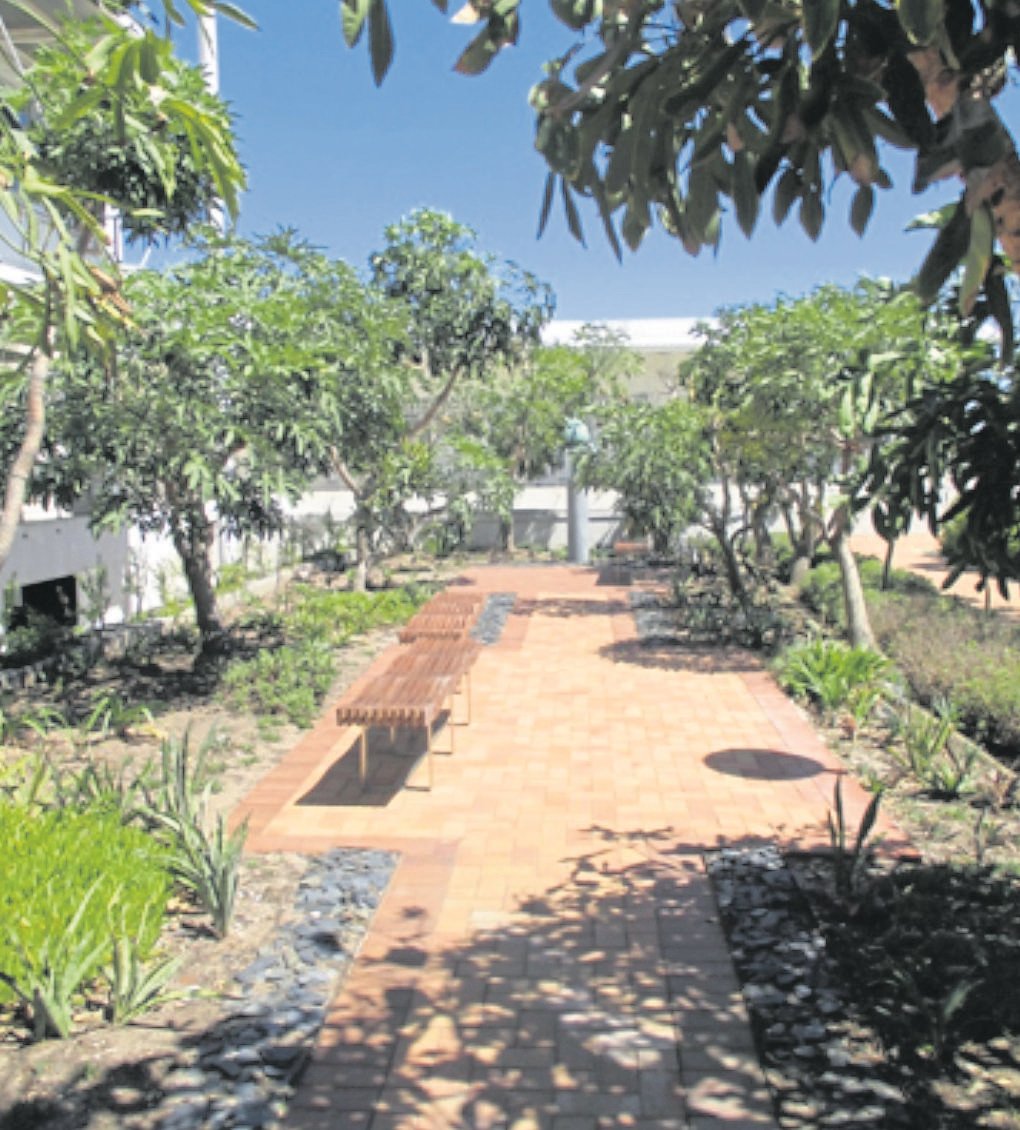
Earlier this year, the CDC had reported on their water wise garden which boasts a range of succulents, such as portulacaria afra (‘spekboom’), gasteria bicolor (‘beestong’) and euphorbia clava, cycads, including other aloe species which are known to be drought-tolerant.
The garden which is self-sustaining through the cluster and fertilising concept, which means that plants compete for space to grow, therefore, constantly encouraging growth among the plants without having to water them.
The CDC went a step further in their conservation efforts through discussions with the Nelson Mandela Bay Metro’s consultants and came up with additional methods to increase the CDC’s conservation efforts.
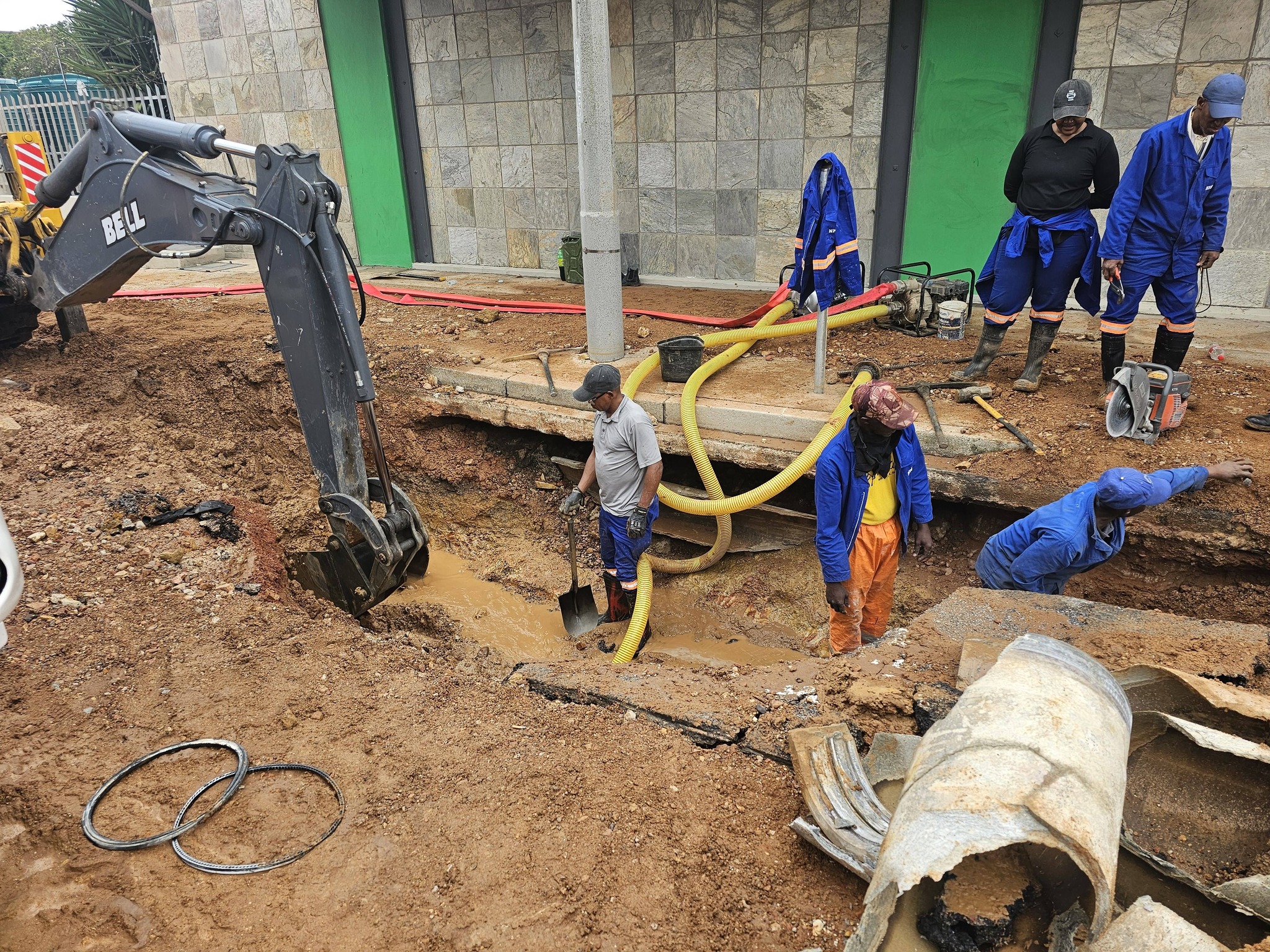
The CDC fixed two water leaks, which were situated in Zone two, and three near the railway line and corner of Neptune Road.
Water restriction posters have been placed throughout the CDC’s offices, including tenants, and communication has been sent out to all CDC investors about the water restrictions currently in place.
“The CDC has also implemented its own initiatives through introducing mandatory use of water tanks in site development plans,” said Andrea Shirley, CDC project manager, operations.
The CDC has further instructed contractors in the SEZ to no longer use potable water for construction purposes and, therefore, to use the Motherwell Borehole System, return effluent from Fish Water Flats WWTW and water from the Coega Kop Quarry as alternatives for their construction water sources.
“As a responsible corporate citizen the CDC is increasingly aware of the environment in which it operates and thus proactively ensure that we contribute toward its sustainability,” concluded Dr Ayanda Vilakazi, CDC unit head of branding and marketing.