
THREE months after Mandela Day, when 6 000 learners from all nine provinces in South Africa, as well as Tanzania, Zimbabwe, and Zambia, participated in a #Coding4Mandela event, the lives of even more young people have been transformed through coding.
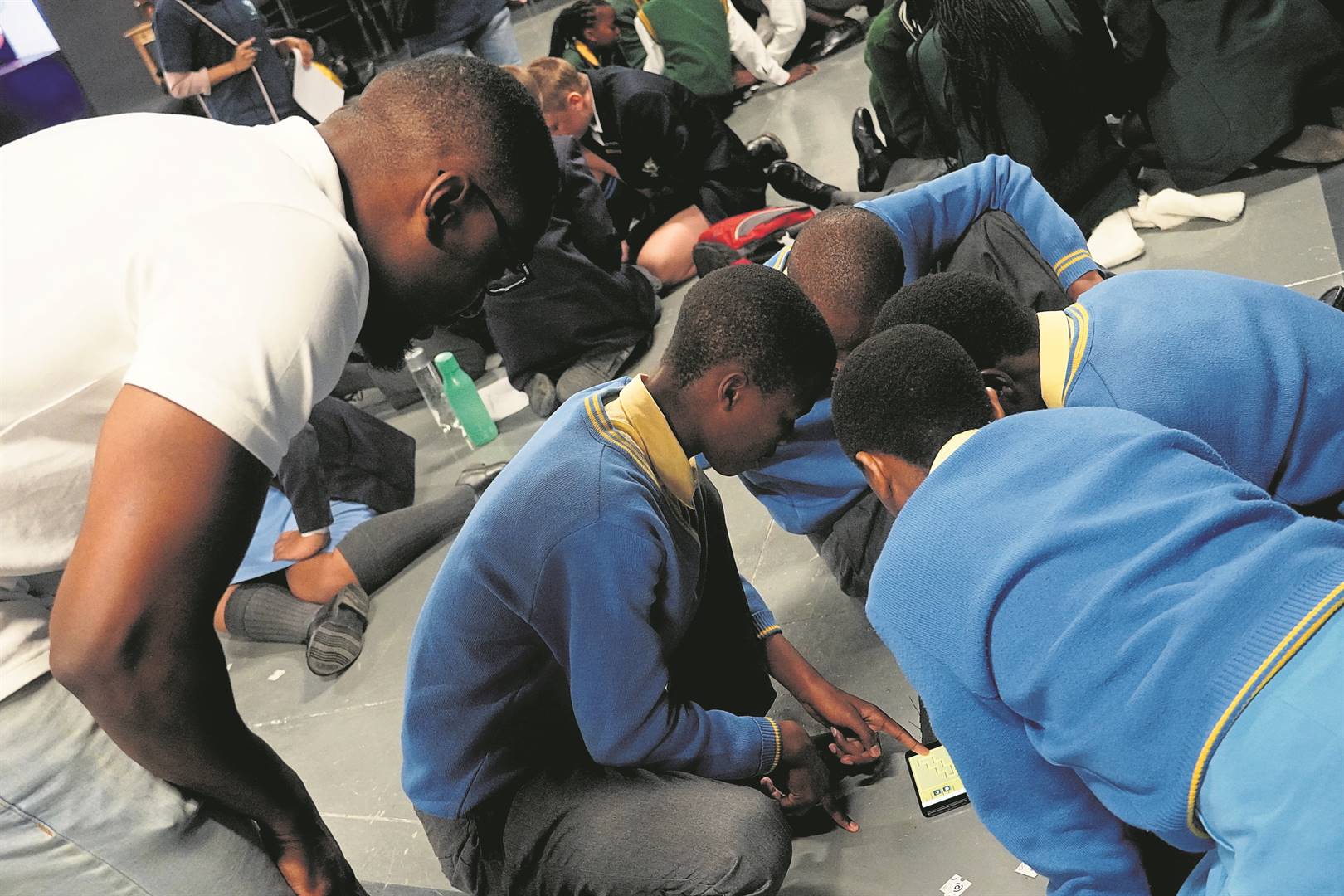
The Mandela Day event, which was hosted by the Nelson Mandela University computing sciences department and the Leva Foundation, as part of their engagement project, known as Tangible Africa, introduced offline coding to primary and high school learners from diverse backgrounds, in an effort to create more awareness about coding.
On October 18, three months later in the village of Mqhekezweni, where former president Nelson Mandela grew up, one young man was nervously excited about his future career prospects.
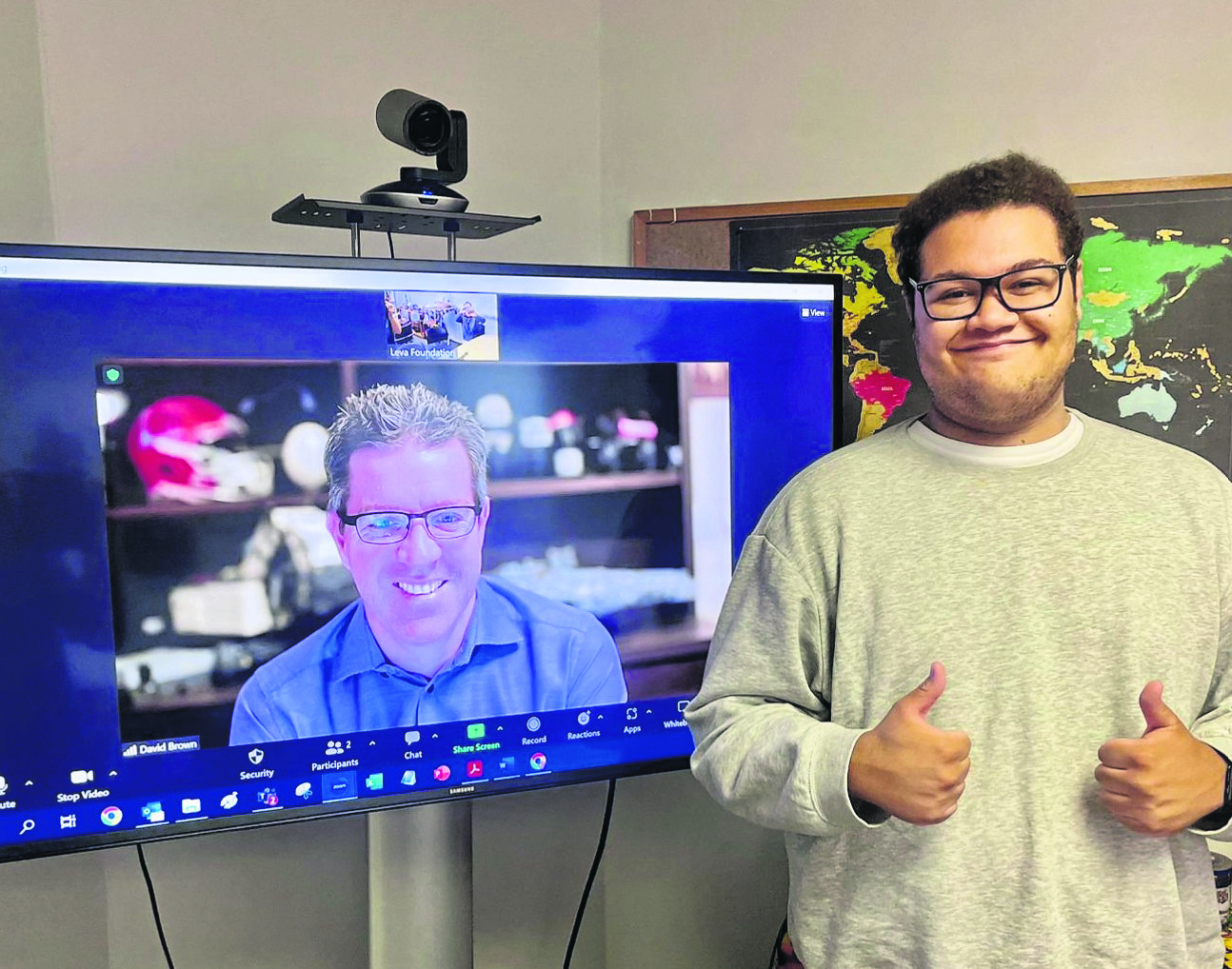
Litha Mthayi (18) is a matriculant at Jongintaba Senior Secondary School and has a dream of pursuing a BSC in computing sciences at Nelson Mandela University next year. He met Professor Greyling on Mandela Day and asked guidance regarding his future, after which the Tangible Africa team assisted him to apply. Should he continue to get the required marks, there is a possibility that he may realise this dream with a bursary.
“I enjoy coding and it has helped me build my skills. I wish to one day work in IT,” said Mthayi.
His headmaster, Mcoseleli Dilaza, said he was appreciative of the programme and the impact it has had on all the learners at his school.
However, it is not just the youth of Jongintaba Senior Secondary that have been positively affected by coding since Mandela Day.
Prince Phikolomzi Mthikrakra, son of Chief Sandile Mthikrakra, who is the grandson to the regent king, Jongintaba Dalindyebo (known to have raised and educated Mandela), confirms that the Mqhekezweni region and surrounds have been booming since the #Coding4Mandela event.
Coding training and activations which began in July have continued at eight schools in the region, and he hopes to reach a total of 15 schools by the end of the year.
“Even though the schools are scattered, and connectivity is a problem in the rural areas, we have had a great journey since July. The appointment of interns has helped a lot and is running very well. In our community, if the learners are not at school, they are coding. We don’t find the boys stick-fighting with children from other villages anymore,” said Mthikrakra.
A total of eight Tangible Africa interns are currently working to spread coding knowledge among the rural schools, and Mthikrakra hopes to recruit more unemployed youth to get involved in coding training and activities.
Jessie Willard, chairperson of the non-profit organisation, Gandaganda Residents’ Forum, has through the assistance of three interns spread coding to schools in Port St Johns.
“I attended the Mandela Day event in Mqhekezweni and knew it was something I wanted to start in our area. We have introduced coding to grades 6 to 9 learners at three schools, and the learners love it.
“Coding is very addictive and even though it was very new to our learners and teachers, the interest is just growing all the time,” said Willard.
Learners borrow their siblings’ cellphones to use for the offline coding game, and to Willard – who through the NPO is also involved in other outreach work – it is the excitement and hope that coding brings which is most satisfying:
“Coding is giving them hope; they are inspired by their new skills and new people visiting their schools.”
Elsewhere, in Tzaneen at Ezamazwe Education Centre for Innovation, coding has now become part of the daily activities of the centre within their reading clubs.
Mphele Yelane, founder of Ezamazwe Education Centre for Innovation, said, “It has changed the world for kids in our community. We have integrated the games as part of a cognitive development programme to assist our learners. As we know, rural learners struggle with concentration and coding has become a tool. Not only do we use coding for brain development, but it also builds confidence, competitive edge, and teamwork.
“Everyone thought coding was an expensive activity that needs computers just like tech guys. To introduce rural learners to Tangible Africa’s coding tournament opened a new world.”
For more information about the initiative email Professor Jean Greyling at Jean.Greyling@mandela.ac.za or Jackson Tshabalala at jackson@levafoundation.org.
– ISSUED BY TANGIBLE AFRICA