

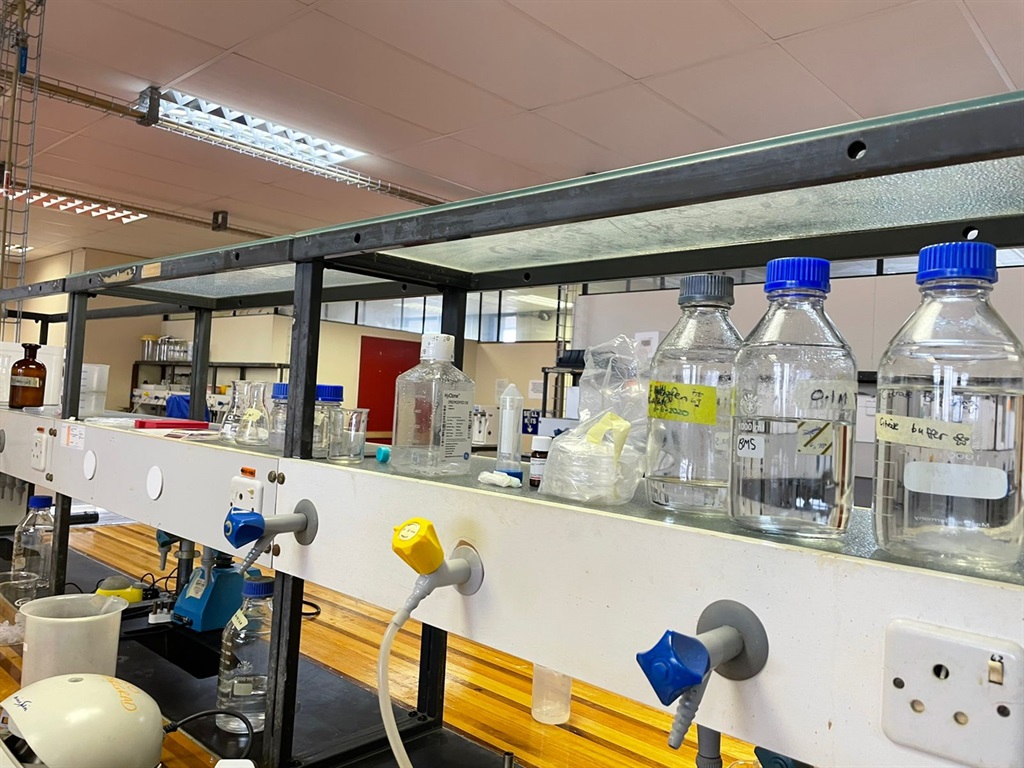
In an effort to prevent and manage communicable diseases including cholera and
COVID-19, the NMBM has committed to continue its wastewater surveillance
programme in partnership with the Nelson Mandela University, SA Medical Research
Council and National Health Laboratory Service.
During a consultative workshop hosted by NMBM with the stakeholders on Thursday,
8 June in Gqeberha, the stakeholders engaged in robust and honest
discussion about the existing challenges.
However, the discussions were unanimous to the fact that, all stakeholders involved
cannot wait until there are cases of cholera or any communicable diseases in the
region. Proactive action through scientific investigations to detect any cholera cases
that may be present in the area should continue.
With the re-introduction of cholera in South Africa during January 2023, the NMBM
took bold steps to conduct cholera surveillance in its area through wastewater
surveillance.
The aim of the cholera surveillance program is to detect any early
cases of cholera that are introduced into the City in order to activate early
government responses.
The surveillance programme will also help identify the broader geographical location
should there be an infected person, for tracking and tracing purposes.
The Metro is building on existing partnerships that were formed during the height of
COVID-19 pandemic with the SA Medical Research Council and NMU for health
surveillance purposes.
NMBM Public Health Mayoral Committee Member, Thsonono Buyeye said
building capacity was essential in responding well to communicable diseases.
“The Municipal Health Services directorate has a legal mandate for prevention and
management of communicable diseases and to conduct surveillance of
communicable diseases in order to fulfil this mandate. The surveillance of
communicable diseases is significant as it serves as an early warning system which
can help reduce the impact of a health event or health threat, it provides timely and
relevant information, health intelligence, in a systematic way for an effective
response to a health threat.
“If effectively implemented, the surveillance programme can contribute to increasing
the resilience of communities and health systems and can offer simultaneous support
for the achievement of the Sustainable Development Goals by reducing the loss of
life and improve livelihood, life expectancy. We are fortunate that no cases of cholera
have been detected in our City but through these partnerships we will continue to do
the precautionary work rather than being reactive,” Buyeye said.
NMBM Deputy Director for Health Services, Dr Patrick Nodwele, said through the same surveillance
program, the NMBM has also conducted surveillance on the prevalence of
substances that are resistant to antibiotics in its community.
“It is important for the Municipality to conduct this investigation because when
microorganisms such as bacteria become resistant to antibiotics they become harder
to treat and may worsen the morbidity and mortality rates among those sick in the
community. This reduces the life expectancy for the NMBM population and may
promote occurrence of opportunistic infections,” Nodwele said.
During the workshop the stakeholders also discussed the possibilities of expanding
the disease surveillance program to include other diseases.
“We have shared the data that we have and during the workshop had time to plan ahead. Once the different organisations approve the proposals discussed today on
the expansion of the disease surveillance program, the NMBM surveillance system
will become bigger and more comprehensive. This is good news for the NMBM
health care recipients because major health threats will be identified from range for
better responses. It is good to note that the cholera surveillance program has shown
that so far there are no human cases of cholera in the NMBM area, which is good
news for the City. However, everyone has to remain vigilant, maintain adequate
personal hygiene standards and report any severe diarrhoeal cases to a nearby
health facility,” Nodwele added.