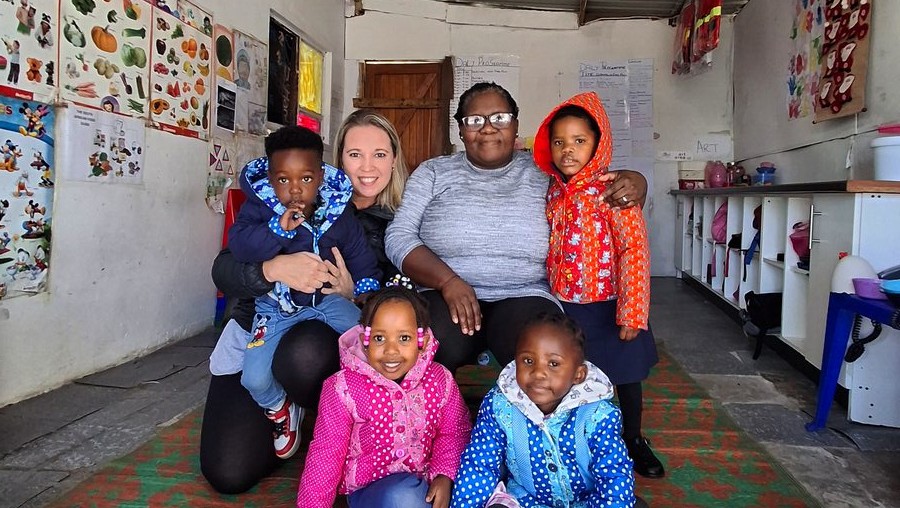


THE Nkosinathi Foundation for blind and partially sighted people has launched the first early childhood development (ECD) project in the province to cater for blind and partially sighted children.
The Bona uBuntu Programme has been initiated with the help of Visio, an organisation based in the Netherlands, which supports visually impaired and blind people.
“After a very in depth search across the world, we ended up in Port Elizabeth at the Nkosinathi Foundation.
“They have the knowledge and they work in a similar way to that in the Netherlands.
“We reached out and want to help these kids who are blind and partially sighted. That’s when we came up with the idea of the Bona uBuntu Programme,” said Visio’s programme manager, Els de Keijzer.
The programme pilot is currently taking place in Port Elizabeth and will later expand to other cities in the province.
To empower blind and partially sighted children to fully participate in society, has always been their main objective.
They focus on detection, assessment and early childhood development services, which include low vision orientation and mobility.
They offer awareness and education for children with a visual impairment from birth to nine years old in the Eastern Cape.
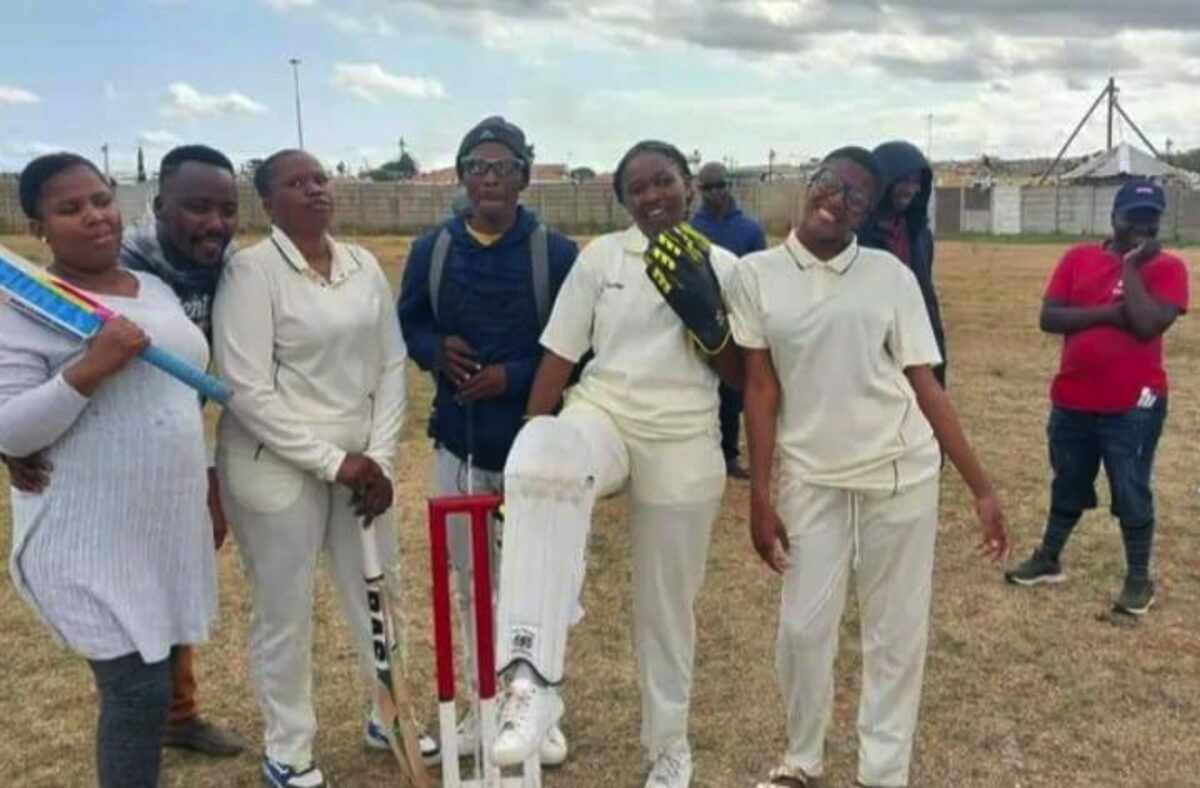
However, they have made an exception for Sibahle Jarom (11) who has recently been added to the programme.
“We want them to lead lives of independence and dignity and to also have equal access and opportunities to excel at school, work and in their communities. It’s also very important for us to have partnerships with government departments for this programme,” said PR and awareness co-ordinator of the Nkosinathi Foundation, Cashelle McLean.
The project also calls for effective nursing of blind and partially sighted children that are driven by determination to reduce inequity, poverty and social injustice. The project draws on best practices from across high-, middle- and low-income households.
“We specifically want to take the project to the rural areas and to create awareness among parents and caregivers not to give up and lose hope,” McLean added.
According to McLean, children need nurturing care in order to develop their full potential. This will ensure good health, adequate nutrition, safety and security, responsive caregiving and opportunities for learning.
“Parents, family members and caregivers – who are closest to young children in the first years of their lives – are the optimum providers of nurturing care,” McLean said.
McLean emphasised that within the South African context, early childhood development has the potential to break the cycle of intergenerational poverty and inequality. “This project is so much bigger than we are and the impact that it will have on the children’s future is very important. We are playing a part in making history in this country and making life accessible for children.
“This programme is a necessity – it needs to happen,” McLean added.