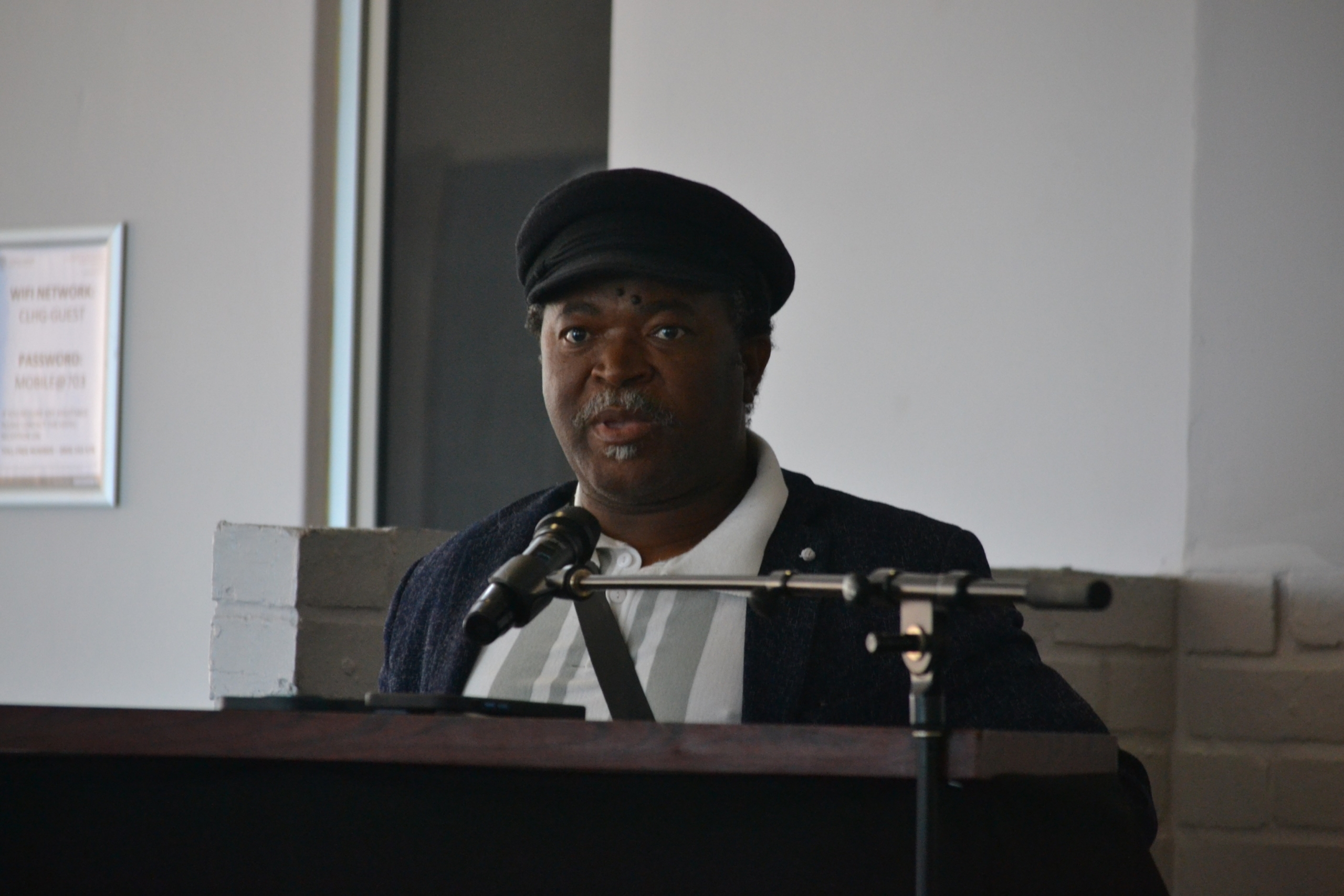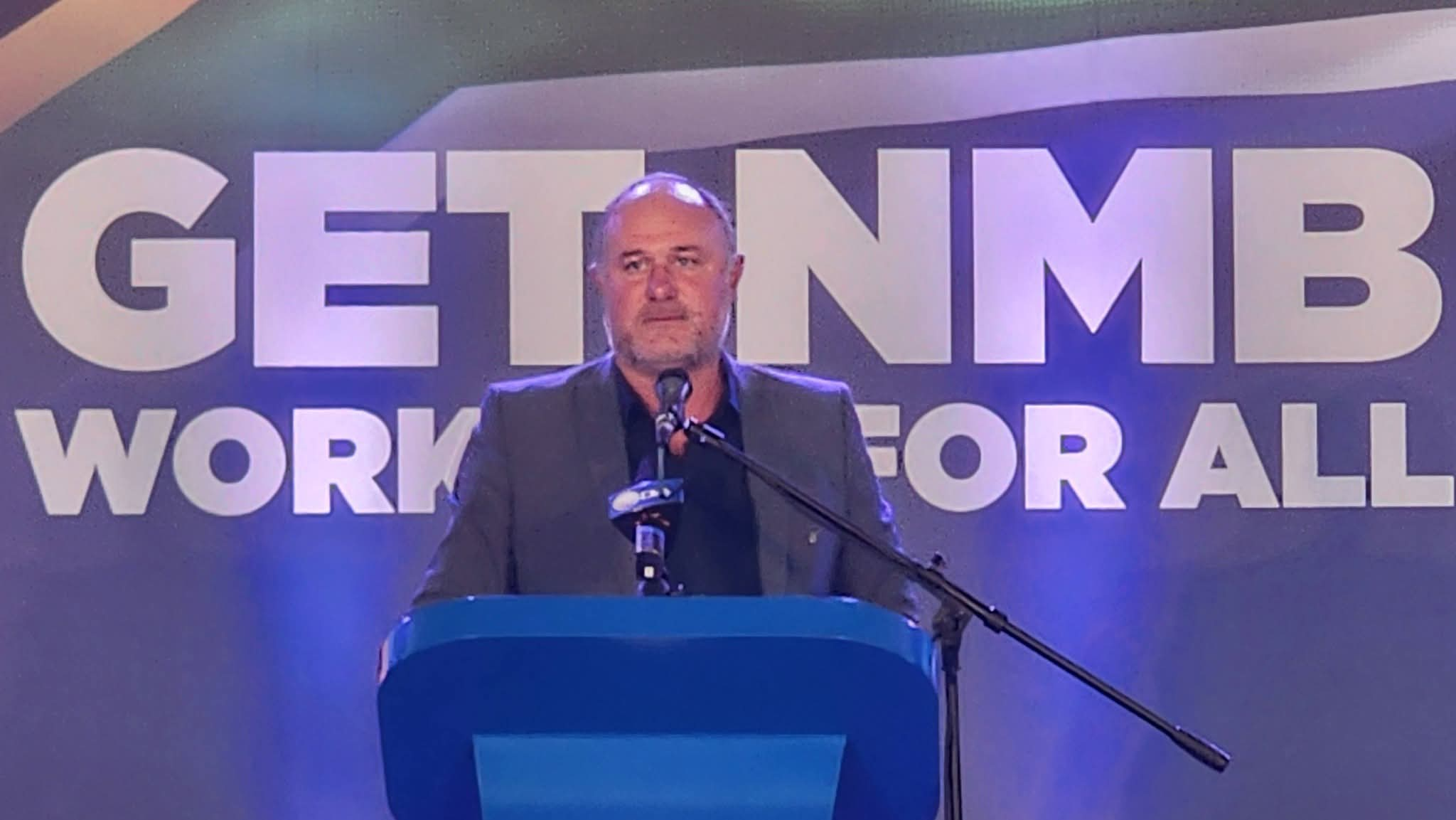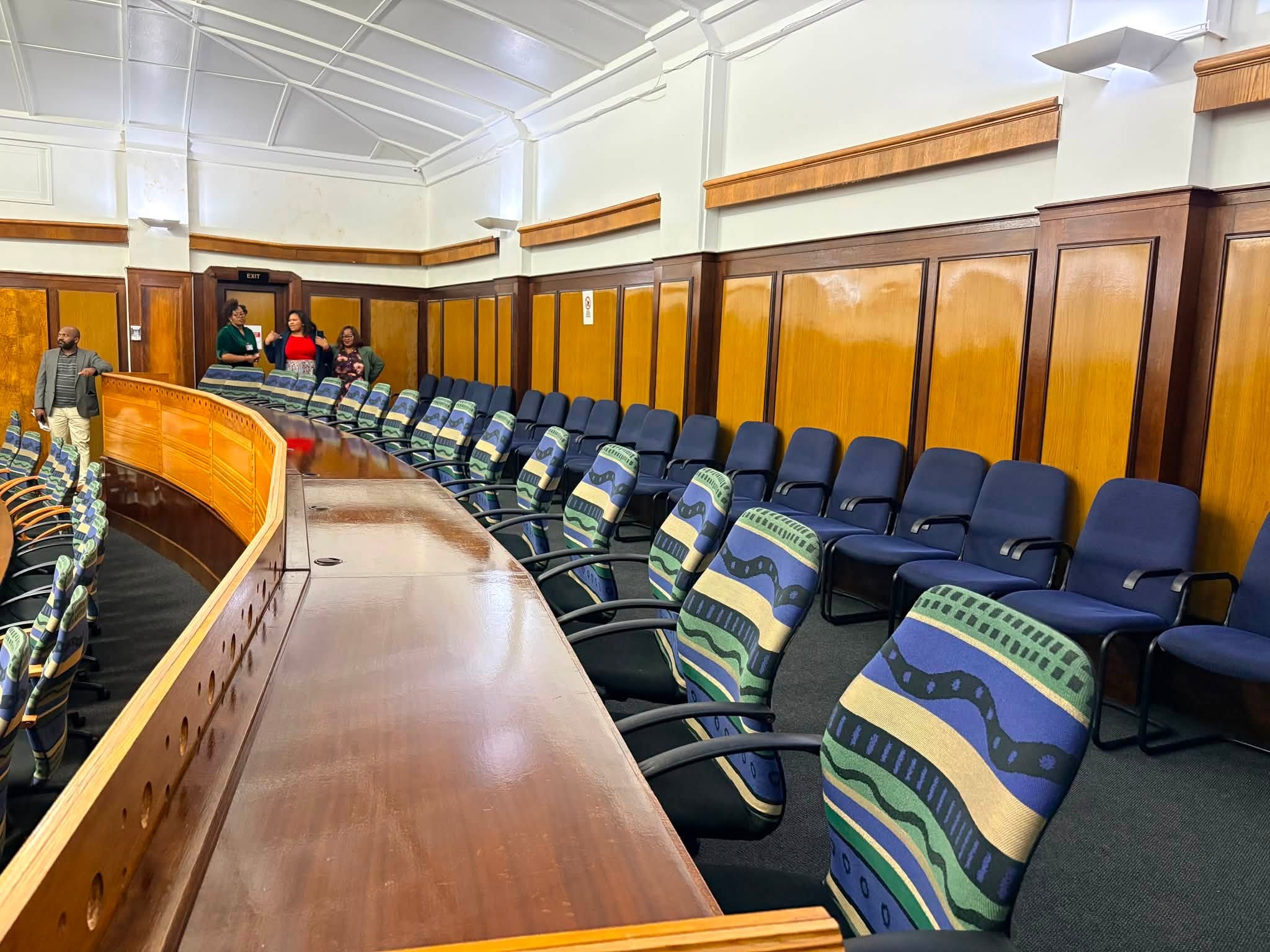
GQEBERHA – Nelson Mandela Bay’s 2026 local government election results point to an evolving political landscape, with voters increasingly looking beyond traditional racial and party loyalties, but the challenge of building a stable coalition remains, says political analyst Professor Ntsikelelo Breakfast.
Breakfast, Acting Director of the Centre for Security, Peace and Conflict Resolution at Nelson Mandela University, believes the Democratic Alliance’s (DA) gains, particularly its support in township communities, suggest that voting patterns in the metro are changing.
However, he cautions that the party’s electoral performance must translate into inclusive governance and improved service delivery.
The DA secured 53 of the 120 council seats, emerging as the largest party in the metro but falling eight seats short of the 61 needed for an outright majority.
The African National Congress (ANC) secured 32 seats, followed by the Economic Freedom Fighters (EFF) with seven, while the South African Communist Party (SACP) and Patriotic Alliance (PA) each won four seats.
Voters moving beyond traditional loyalties
Breakfast said the results reflected a shift in the metro’s political landscape, particularly the movement of support away from the ANC towards opposition parties.
“The loss for the ANC has been the gains of the DA and they have done very well, it was fishing from the same port,” he said.
He also highlighted the DA’s support in traditionally ANC-supporting townships.
“Also, interesting, is that people in townships have voted for the DA, which means that people are not voting along racial lines. So, the electorate has evolved beyond race,” Breakfast said.
He cautioned that the DA would need to ensure its governance approach addressed the needs of all communities.
“It is an encouragement to the DA, they must ensure that they service everyone across the racial divide and not to turn a blind eye,” he said.
Coalition stability and service delivery
Breakfast’s assessment comes against the backdrop of years of coalition instability in Nelson Mandela Bay, where no single party has secured an outright majority since 2016.
He argued that political disagreements and instability have consequences for municipal administration and service delivery.
“Politics and administration are like two sides of the same coin, if you don’t have political stability, you will affect service delivery,” he said.
“I think it is important for them not to look down onto smaller political parties, they need to work with everyone, as long as those who want to work with them are committed to development,” he said.
Breakfast also stressed the importance of equitable development through the municipality’s Integrated Development Plan (IDP), a five-year strategic plan that is reviewed annually to reflect changing community needs and development priorities.
He cautioned that poorer communities should not be overlooked, particularly when it comes to the affordability of municipal services.
“Some of the black people in townships complain where the DA governs, they struggle to keep up with water bills and the DA do not exempt them from paying service charges because they are poor. So the DA needs to be sensitive to that because in society we have this divide between the haves and have nots,” Breakfast said.
Merit and inclusive coalitions essential
With the incoming administration facing significant financial and infrastructure challenges, Breakfast said professionalising the municipal administration and appointing people based on merit would be essential.
He cautioned the DA against repeating what he described as the ANC’s mistakes by making appointments based on political ideology rather than ability.
“It’s not going to be a walk in the park. They need to hire people based on merit and not do the mistake the ANC made by deploying people who are aligned to the ideology of the ANC,” he said.
Breakfast also urged the DA to approach coalition negotiations with an open mind.
“I think that they can work with the parties that are like-minded but then they should be careful that if they omit to work with other political parties, those political parties can join forces and gang up against them and remove them from power,” he said.
According to Breakfast, the incoming administration faces challenges that extend beyond securing enough council seats to govern.
Building lasting political relationships, prioritising development and ensuring inclusive governance will be essential to maintaining stability and improving service delivery.
He said the DA’s ability to work constructively with other parties while addressing the needs of communities across Nelson Mandela Bay will be central to the stability of the new administration.
ALSO READ: IEC results point to coalition battles in Eastern Cape metros