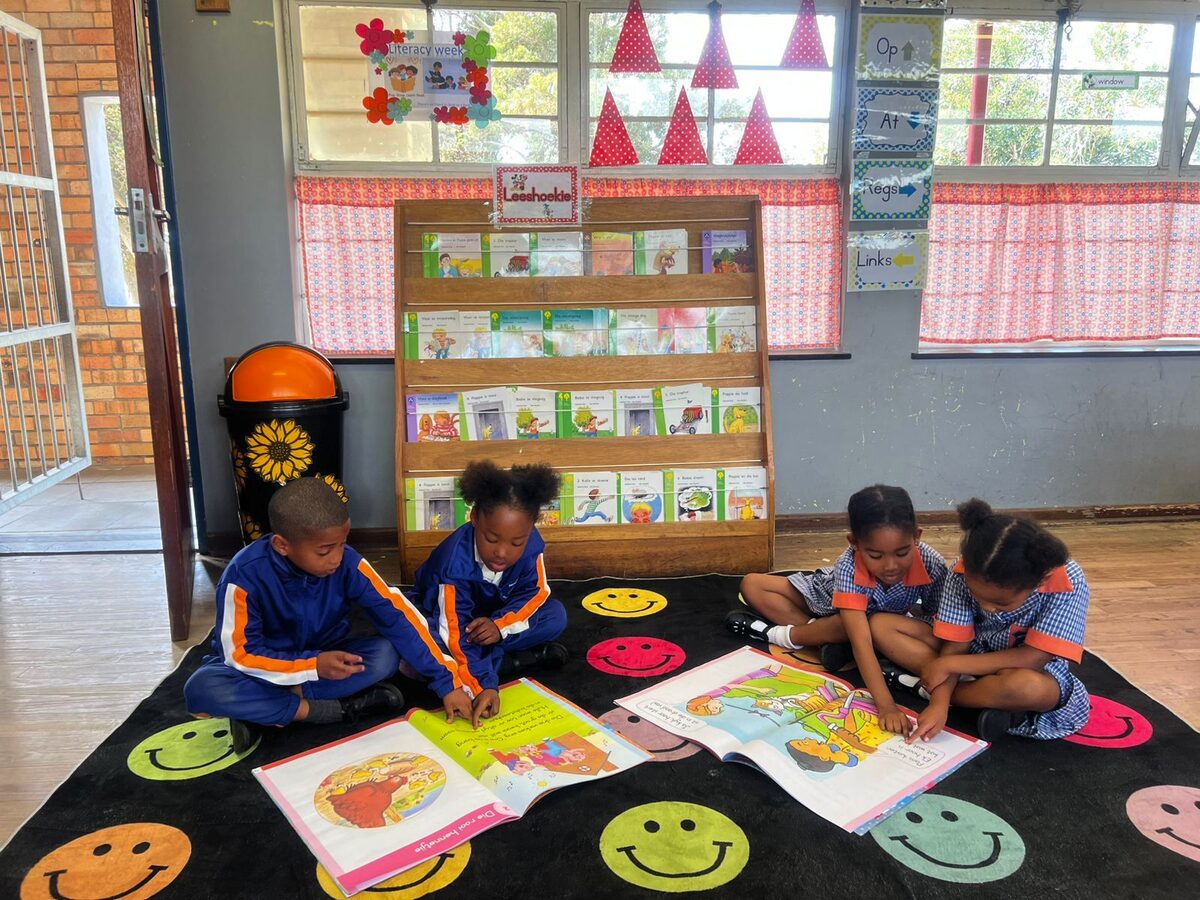

FOR centuries, professionals have been querying the phenomenon of a learner who may have normal sensory, perceptual, cognitive and motor abilities, and yet have marked difficulties decoding (reading) and encoding (spelling) the written language.
Parents of these children recognise their children’s natural intelligence, but are puzzled as to why there is a problem with reading, writing and spelling.
This paradoxical phenomenon is known as dyslexia.
The International Dyslexia Association (IDA) defines dyslexia as a neurological-based, often hereditary, disorder that interferes with the acquisition and processing of language.
It varies in degrees of severity and sometimes manifests as difficulties in arithmetic (dyscalculia) and handwriting (dysgraphia).
Dyslexia has no boundary as regards geography, culture, socioeconomic status, language, gender or age.
Quick facts about dyslexia
. Dyslexia affects one out of five children (20%)
. Dyslexia affects approximately the same number of boys as it does girls
. Dyslexia is also the leading cause of reading failure and school drop-outs.
Key features of dyslexia
. Affected persons feel dumb, have poor self-esteem and confidence
. Become easily frustrated and emotional about school and uses avoidance tactics
. Often confuse left and right, over and under, etc.
. Read or write with additions, omissions, substitutions and reversals of letters.
To raise awareness about dyslexia, Abdol Optometrist and the Red Apple Dyslexia Association have teamed up to host a workshop in Port Elizabeth.
The dyslexia awareness event will take place at Collegiate Junior School on Saturday, August 3.
For more information on the paradoxical phenomenon known as dyslexia, attend the workshop or visit www.dyslexiasa.org/.