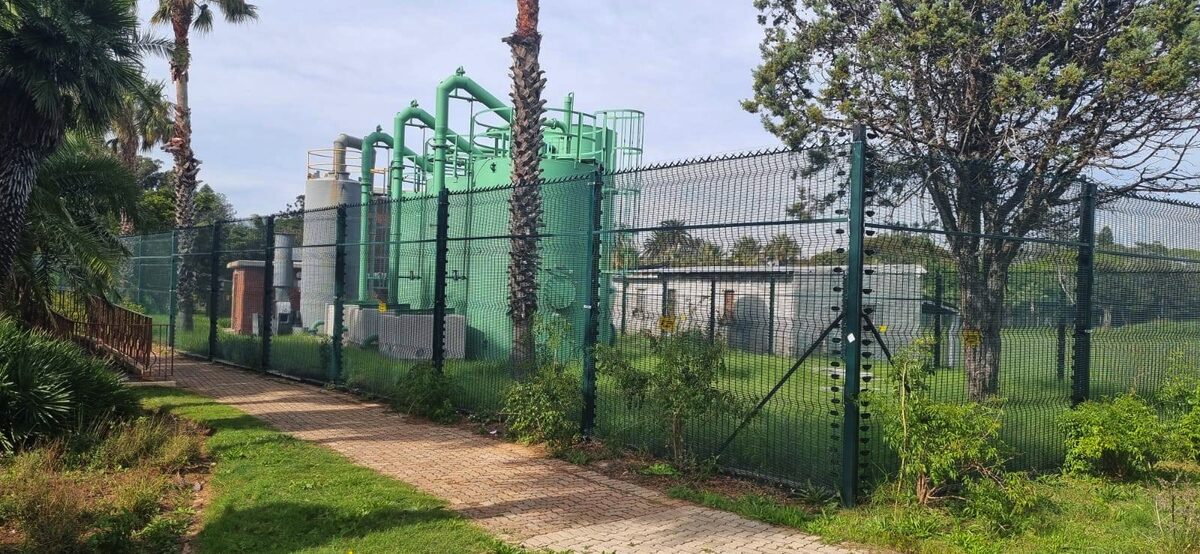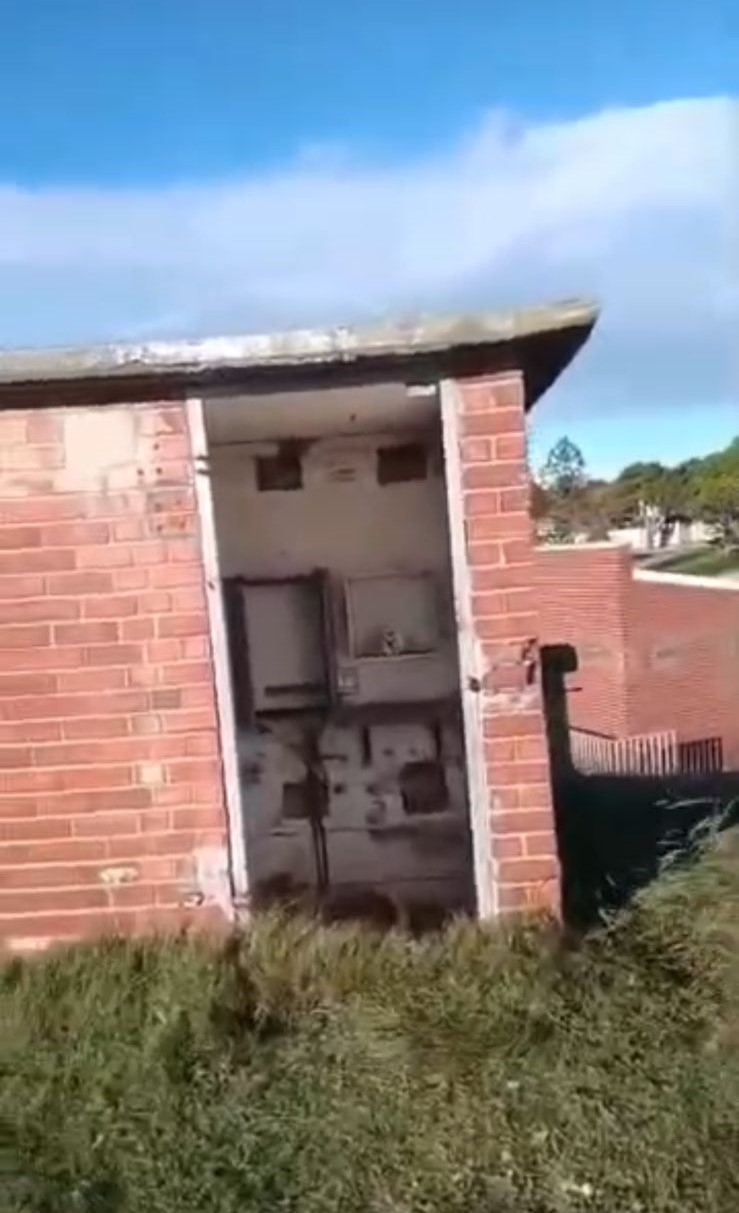


Acts of vandalism in Nelson Mandela Bay have steadily been on the rise and more than doubled during the past financial year, compared to those of the previous year.
Eastern Cape MEC for Transport, Safety and Liaison, Weziwe Tikana-Gxothiwe, recently responded to questions posed by the DA shadow MEC for community safety, Bobby Stevenson, regarding vandalism that has been rife in the metro over the past few years.
According to Tikana-Gxothiwe’s responses, in the 2021/22 financial year, 292 cases were reported, whilst only 143 were reported in the previous financial year.
Since the start of the national lockdown, PE Express has reported extensively on various acts of vandalism taking place all over the metro, ranging from libraries to electrical substations, traffic lights, water pipes and even the facilities at the beachfront, specifically in the vicinity of King’s Beach.
Tikana-Gxothiwe said that these almost 300 cases were reported over a period of nine months, from April to December.
She listed the top five vandalised structures in Nelson Mandela Bay as cellphone towers/receiver bases, railway infrastructure, electrical substations, road infrastructure and municipal depots.
Over the last four years, a total of 748 cases of vandalism of essential infrastructure have been reported. These include, 72 cellphone towers, 84 railway infrastructure, 89 electrical substations, 23 road infrastructure and 13 municipal depots in Nelson Mandela Bay.
This is excluding the multiple times that certain libraries, especially Chatty Library and Allanridge Library in Kariega, have been vandalised and had their doors shut.
Motherwell Library and KwaMagxaki Library are closed due to vandalism as well.
“The police stations in the following areas have been the hardest hit when it comes to reported vandalism: Swartkops, Kariega, Mount Road, Kamesh and Algoa Park.
“There have also been 176 arrests made in the 2021/22 financial year of which 28 have resulted in successful prosecutions while 148 led to unsuccessful prosecutions,” she explained.
According to Stevenson, these stats are just the tip of the iceberg, as the statistics provided do not include the other 37 municipalities in the province.
“This horrific destruction of essential infrastructure includes the theft of cables, ruining of public facilities such as schools, water distribution equipment, electricity substations, sewerage works, and commuter delays, damaging the economy and the environment.
“Criminals are destroying the very fabric of our society and creating a wasteland of lawlessness, which is holding our society hostage,” he said.
“SAPS needs to pull out all stops to eradicate this terrible destruction of our infrastructure and I believe that a special task force needs to be established so that the culprits can be hunted down along with those buying the scrap metal.
“Community organisations, such as police forums and neighbourhood watches, need to mobilise residents to protect their infrastructure.
“The cost to the economy is enormous, and the inconvenience to residents and businesses is a huge burden. This scourge needs to be eradicated from our society before more schools, buildings, and railway stations are damaged and forced to close,” Stevenson said.
When asked what steps her department anticipates can be put in place with a view to increasing the success rate of these arrests, Tikana-Gxothiwe said that obtaining witnesses, installing CCTV cameras, increasing police visibility and increasing the local informer network and partnerships within the community, are steps to be considered.
“When it comes to ensuring that government property is safe, more steps that can be taken are to complete a crime pattern analysis to identify so-called hot-spots, where vandalism usually occurs, deploy all available resources to these areas on the days and times when these crimes typically occur and to do daily patrols at hot-spot areas as well as stop and search operations,” she said.