
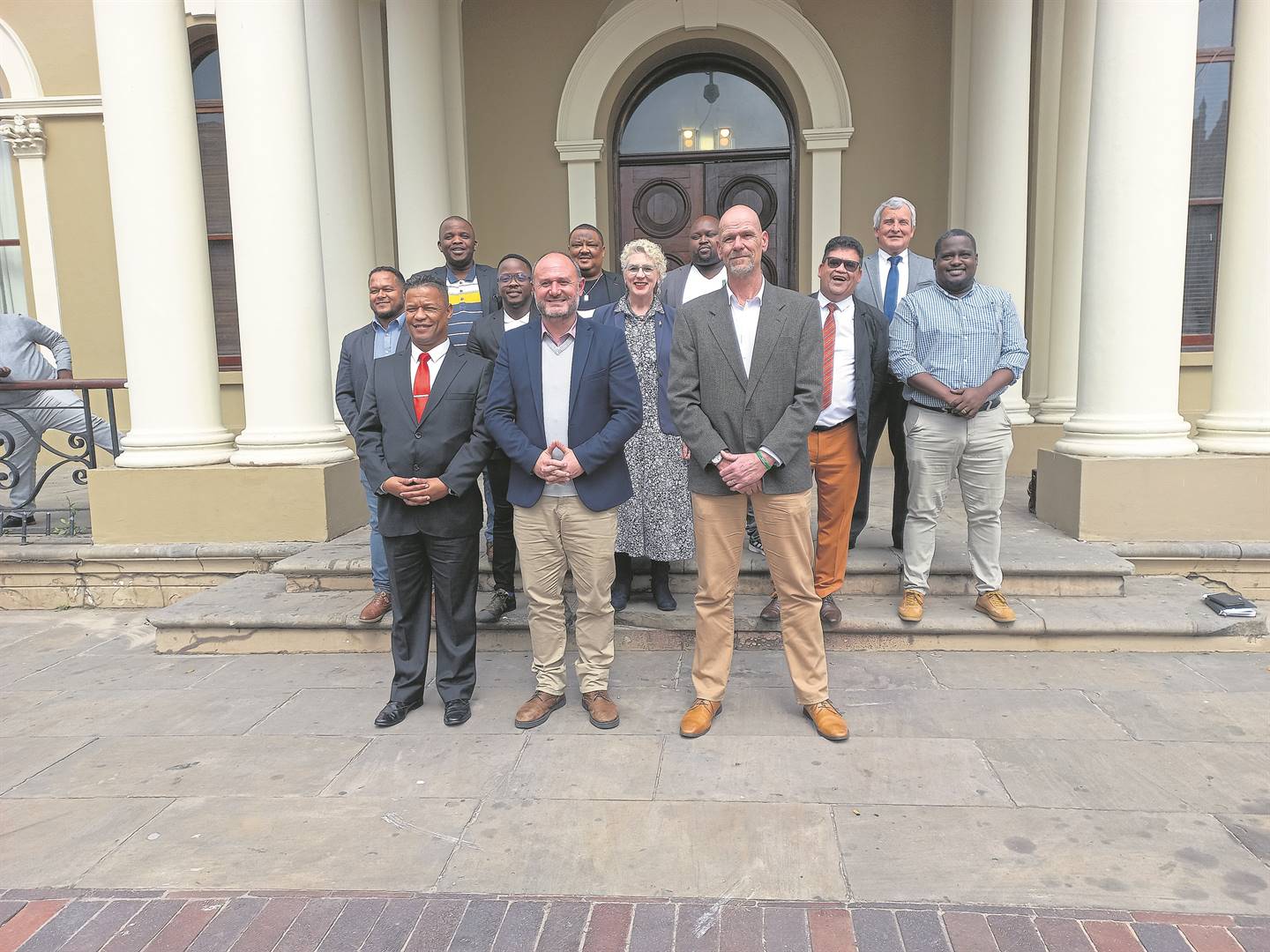
THE water crisis and recent go-slow action by the electricity and energy directorate formed some of the key points of discussion during a recent media briefing where Mayor Retief Odendaal formally introduced his mayoral committee and the turnaround strategy of the newly elected leadership.
Odendaal said that it is quite evident that Nelson Mandela Bay’s system to address water leaks was not sufficient and that additional steps urgently needed to be taken.
He explained that this included putting systems in place to allow for fixing leaks at a ward-based level, appointing additional plumbers and partnering with the private sector.
Odendaal pointed out that one of the most important things the infrastructure and engineering directorate, now headed by MMC Dries van der Westhuyzen, would be focusing on is drafting a new water master plan that fixes the metro’s water reticulation system over the next decade.
“Despite the welcome rain that we have experienced these past few weeks our dams remain critically low. We need to put long-term solutions in place to secure the city’s water supply,” he said.
“We also need to immediately start rolling out water meters to households and businesses that currently still do not have meters in place.”
He added that delays in drought mitigation projects needed to be resolved and a resolution was needed for the proposed desalinisation plant. He also said that the municipality would be lobbying national government to begin the roll-out of phase four of the Nooitgedacht Water Scheme.
He also addressed the issue of a backlog of sewage blockages and how the municipality needed to tackle this backlog, starting with the 90 faulty sewage pump stations and implementing immediate remedial work at the municipality’s two wastewater treatment plants.
Adding to this, Van der Westhuyzen said that the directorate has been performing sub-optimally for a while now.
“A number of residents think that the crisis has come and gone because we had recent rains but that is not the case. We are going to relook at the drought mitigation plans and will start with an in-depth study.
“Our sewage system is in a dire situation and a very urgent analysis will be done,” he said.
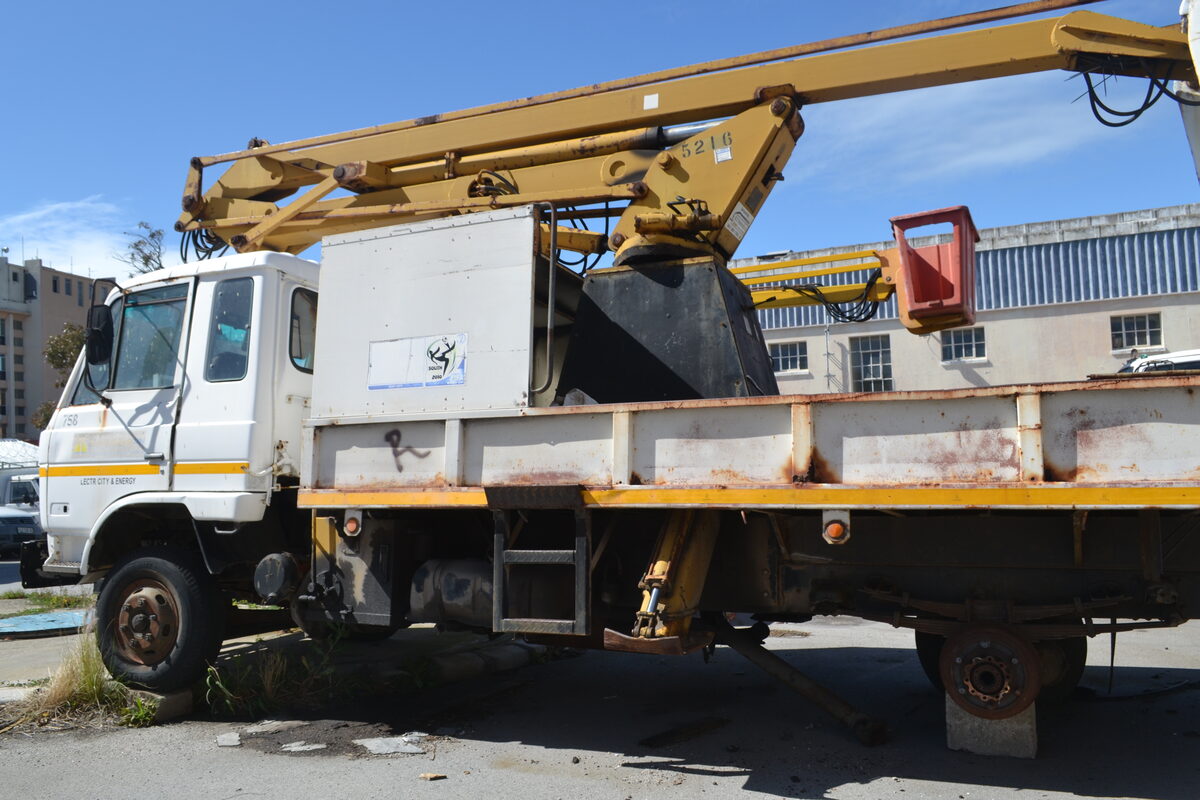
Also on the agenda was the crisis that the electricity and energy directorate had been dealing with when workers recently went on a go-slow.
MMC for this directorate, Lance Grootboom, said that since this issue had been resolved, they would now be reviewing the current loadshedding schedules that are having such an impact on the metro’s economy.
“We will be dealing with improving the city’s electricity supply. It is important that we break our connection with Eskom and come up with a renewable energy plan to generate our own power and purchase electricity from independent power producers.
“The purpose is to secure an uninterrupted supply of energy. We will also be engaging with high energy consumers to explore alternative power solutions,” he said.
Grootboom added that the backlog of broken street lights will speedily be addressed as well.