
Statistics issued by the South African Weather Service (SAWS) show that Nelson Mandela Bay can expect “below average” rainfall over the coming months.
Spokesperson of the local branch of the SAWS, Garth Sampson, said that this is especially problematic considering the fact that the metro will soon approach its rainy season, which is during winter.
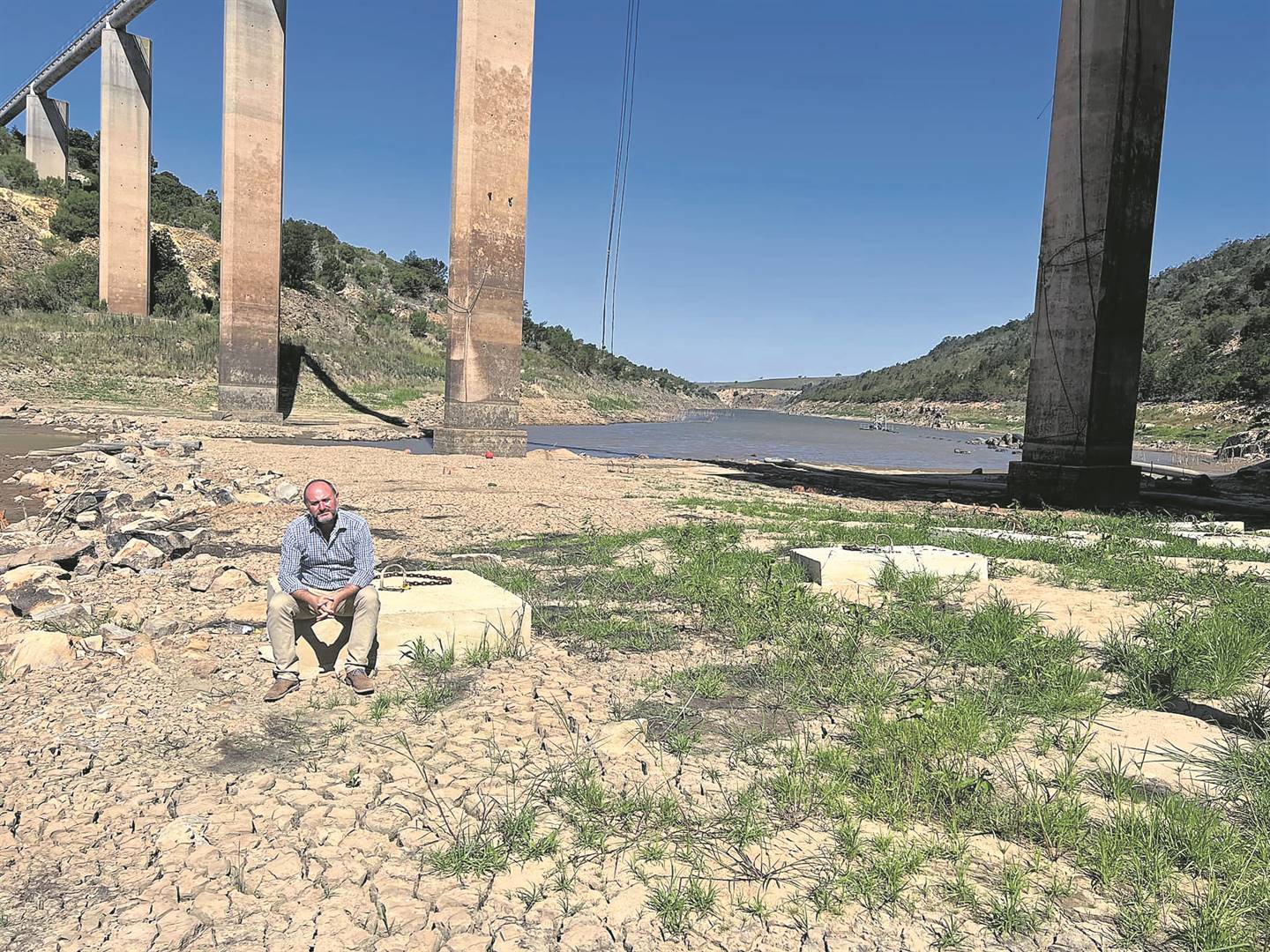
“We are in for a rough ride. Last year [during the rainy season] the dams were at 18%, we are at [just above] 12% now. This is very serious,” said Sampson.
Nelson Mandela Bay mayor, Retief Odendaal, has called the stats “disheartening” and “devastating.”
Odendaal also said the metro’s consumption has increased from an average of 260ML to 288ML per day, over the past three months.
The stats also show that consumption came down to 260ML per day in September last year, but has increased drastically in the meantime.
This 260ML is still very much above the desired 230ML or less that water users are encouraged to stick to.
Odendaal emphasised that if consumption is not reduced, and the metro does not receive sufficient rainfall very soon, dams could run dry by July this year.
He explained that when this happens, the dams reach a critical point where water reticulation to reservoirs in nearly a third of the metro will stop.
This will force the metro to close all the valves to the reservoirs, and only allow water to be reticulated to the newly-built blue standpipes.
This will in turn lead to residents’ queueing for water, without the option of collecting water for more than one day – or on behalf of any other adult. Businesses in the affected areas will also not be allowed to use any municipal water.
“This will become the status quo until there is rain, and dam levels rise to acceptable levels, where the metro is able to once again start pumping and reticulating water to all areas on a sustainable basis. It could take months before the supply returns,” said Odendaal.
“The effect that such an event will have on our city will be devastating. It will decimate businesses and is likely to destroy thousands of jobs. Another consequence of the lack of sufficient water flowing is that the sewerage system is unlikely to function, causing massive sewer blockages that would be difficult to control.”
Odendaal believes that the Bay can still prevent taps from running dry if consumption is reduced, which means that existing water resources can be stretched until the much-needed rainfall eventually comes or all outstanding drought mitigation projects are completed later this year.
Odendaal recently also picked up the phone and started calling some of the more than 40 300 households in the metro that are consuming more than 9kl per month.
“I selected some households at random on the list and gave them a friendly courtesy call to create awareness, and offer some water saving ideas to help bring down their consumption.
“If we don’t work together and bring down our consumption, we could be sitting with dry taps and queues for water by July 2023. Please rethink your water consumption and preserve this precious life source. If we all use no more than 50 litres per person per day, we can prevent disaster.”