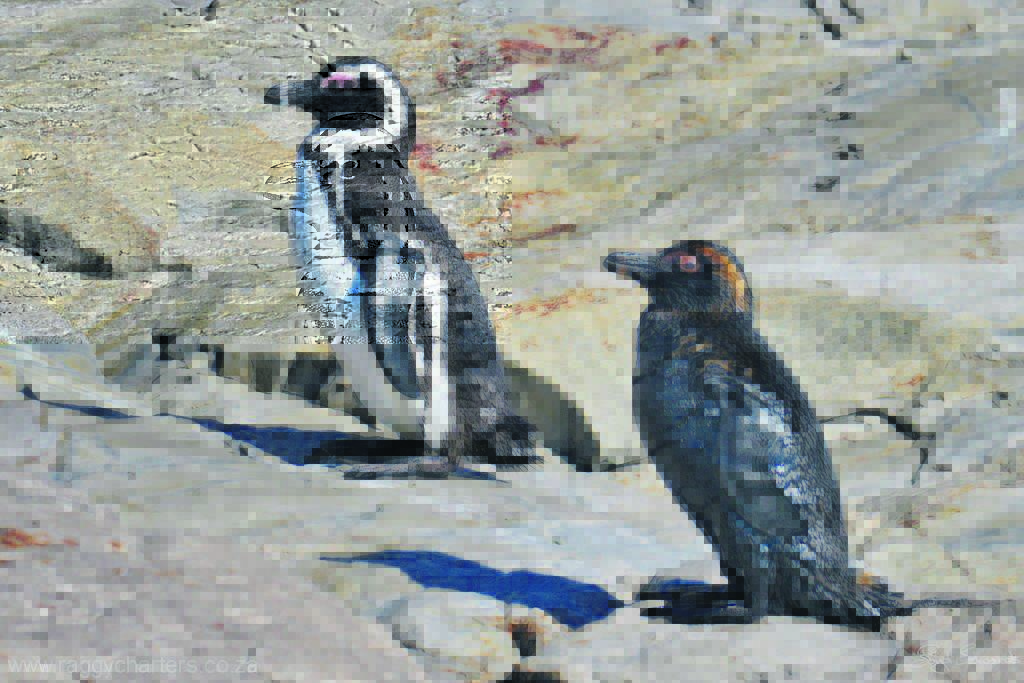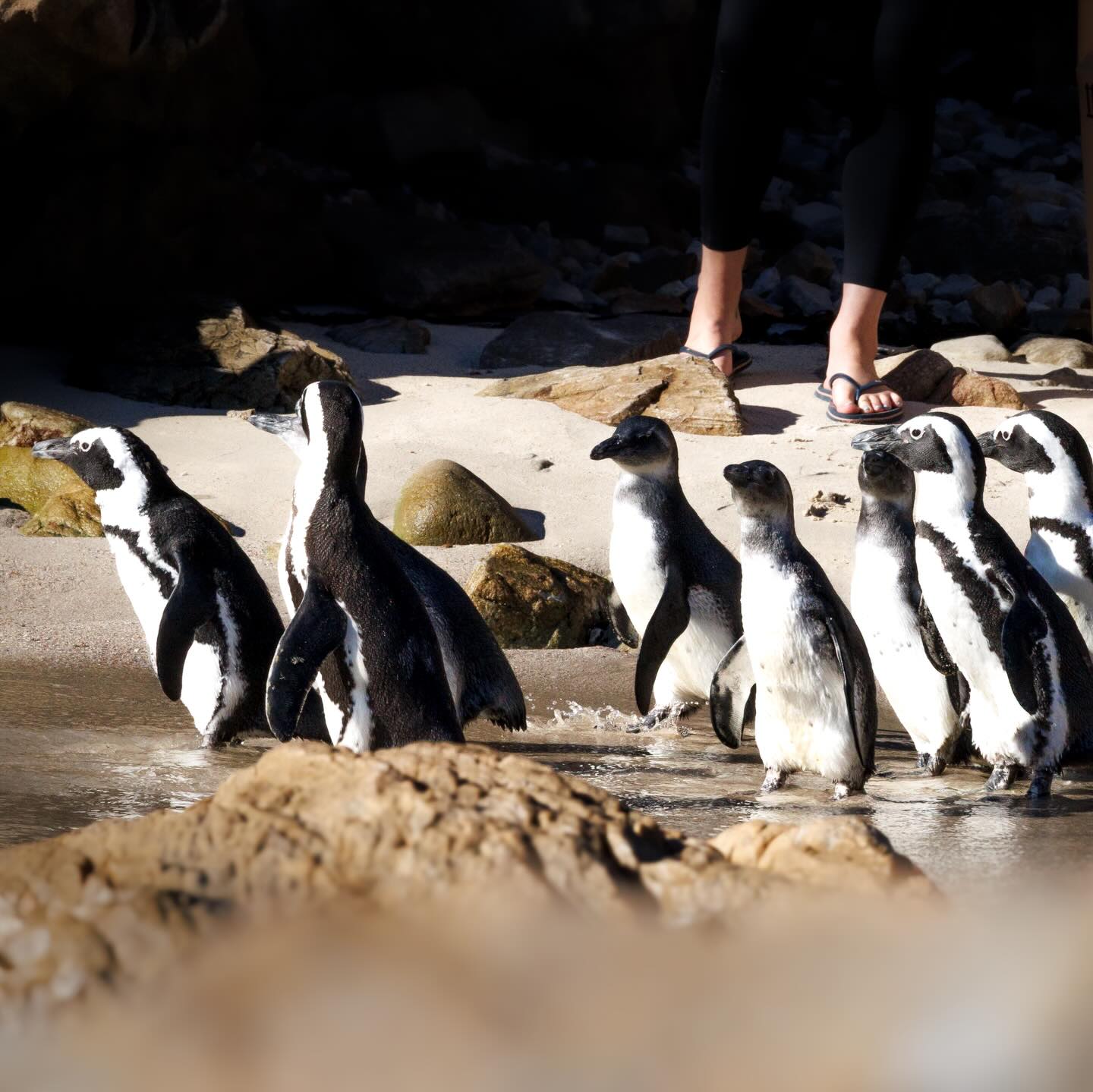

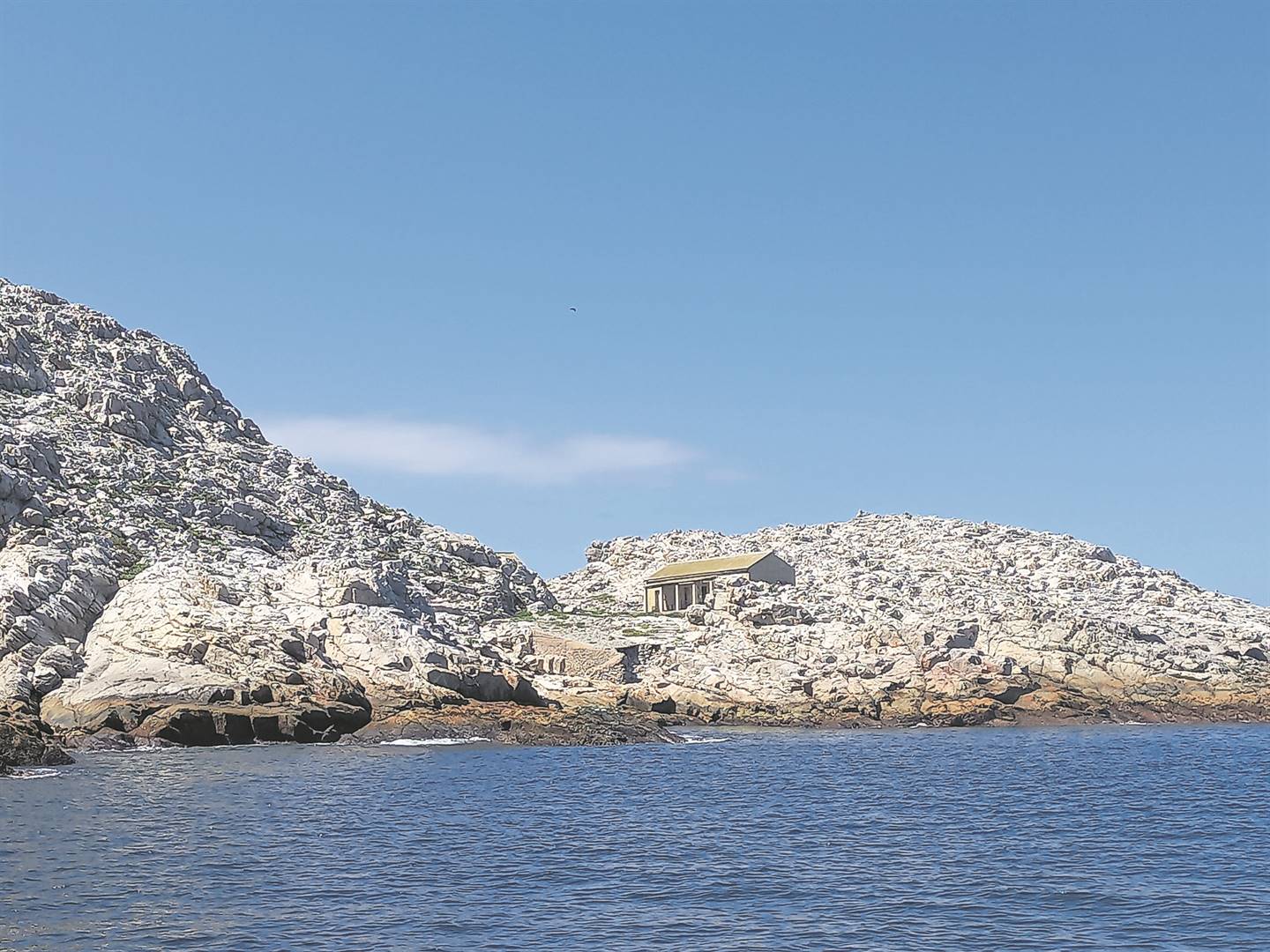
During a recent PE Express visit to St Croix Island, off the coast of Nelson Mandela Bay, it was a challenge trying to spot the penguins that once upon a time densely populated this island.
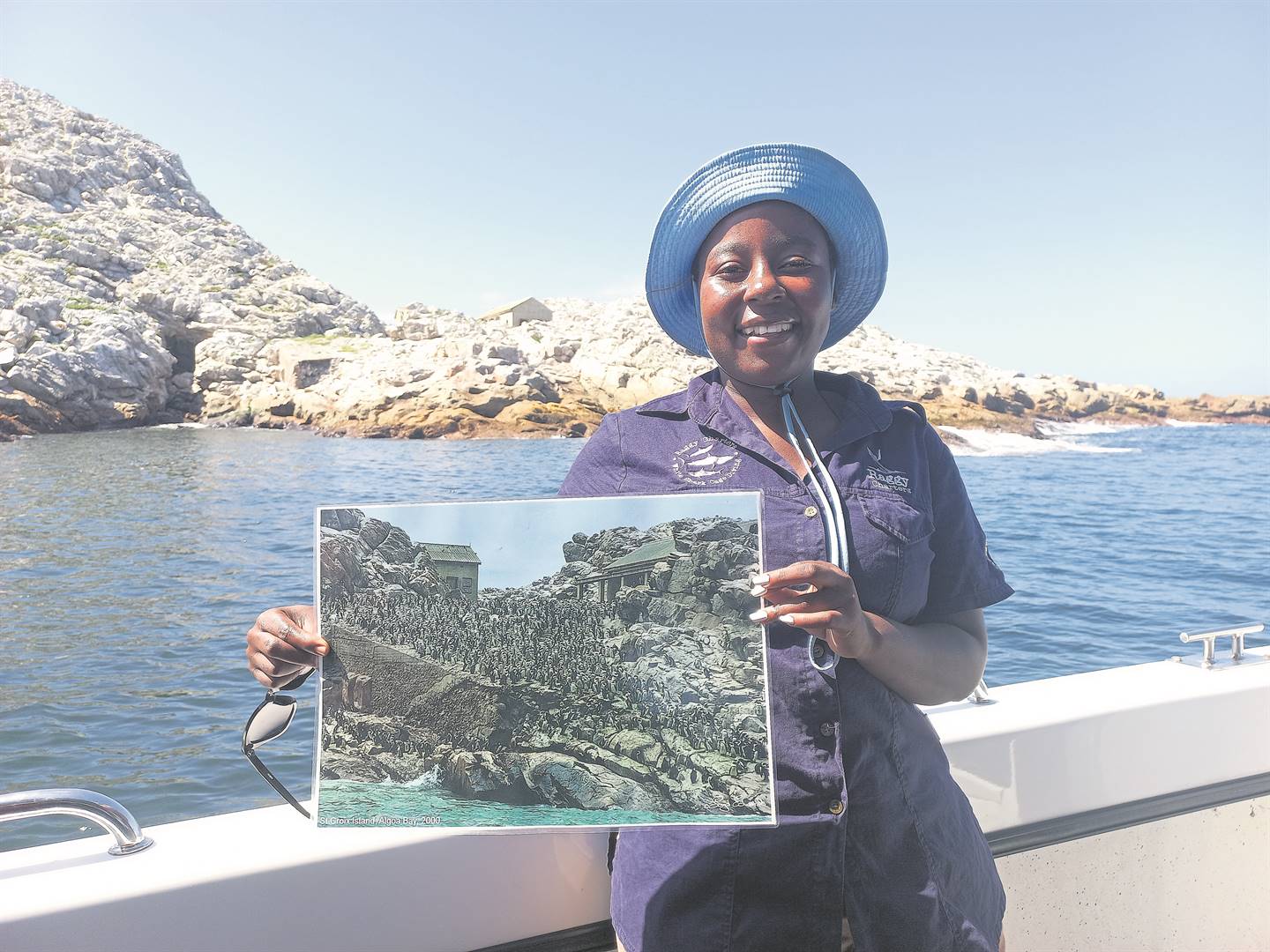
Once the boat, operated by eco-marine cruisers, Raggy Charters, got as close to the island as possible, one would see a few penguins scattered here and there, but hardly anywhere close to the population of 20 000 that called the island home even as recently as seven years ago.
PE Expresspreviously reported about the dangers of the African Penguin potentially becoming extinct – with breeding pairs decreasing up to 80 percent on this island, according to Raggy Charters marine conservationist, Lloyd Edwards.
The island is supposed to be home to the world’s largest African Penguin colony, but most of the penguins have very recently died out, and marine conservationists believe that this is mainly due to bunkering (ship-to-ship fuel transfers) taking place in the area.
Edwards explained that when he started doing this work 25 years ago, there were 60 000 penguins on the island.
“Just before ship-to-ship bunkering started, about seven years ago, there were approximately 23 000 and now since the bunkering we counted approximately 5 000 last year,” he said.
“Breeding season is March and April so only after that will we be able to do another census,” he added.
On the way to the island, there was ship-to-ship bunkering taking place.
Raggy Charters skipper and guide, Jake Keeton, explained that some ships do not want to make the trip all the way to the harbour to refuel.
“It saves them docking fees, if they refuel at sea. That is why another ship would pull up next to them and give them fuel.
However, this fuel sometimes spills into the water, endangering the penguins,” he said.
Raggy Charters guide, Purity Khosa, explained that overfishing used to also be an issue, because there would not be fish in the area for the penguins and they would have to swim further and dive deeper to find food.
“By the time that they got back to the island, they would not have any food left in their bodies to regurgitate and feed their chicks and most of them would die,” she explained.
This is why fishing in the area has been prohibited, and it has been declared a marine protected area.
Minister of Forestry, Fisheries and the Environment, Barbara Creecy, recently appointed an Expert Review Panel to advise on managing the interactions between the small pelagic (anchovy and sardines) fishery, and the conservation of African penguins.
According to departmental spokesperson, Albi Modise, in September 2022, the department announced the interim closure of some areas around major penguin colonies along the South African coastline to commercial fishing for anchovy and sardine between September 2022 and January 2023.
This was as a precautionary measure aimed at ensuring the survival of the species while balancing ecological and socio-economic interests.
“The limitation on fishing has been extended to mid-April 2023, and further decisions on the matter will be made depending on the work schedule of the Expert Review Panel. The Expert Review Panel will review all related science outputs over recent years, including the outcomes of the island closure experiment undertaken by the department over the last decade.
“The terms of reference for the science review and the panel members were established in consultation with the representatives from the fishing and bird conservation sectors. The panel will advise the department on the appropriateness and value of fishing limitations for penguin trends,” said Modise.
“This is a key issue as the sardine stock in South African waters remains at low levels. Competition for food is thought to be among one of the pressures contributing to the decline of African penguin populations.
“Other pressures include shipping traffic with its associated noise and vibrations, and pollution and degradation of suitable nesting habitats through historical removal of guano and coastal, commercial, and residential developments,” he added.
The international panel will, among others, explore the value of island closures in providing meaningful benefits to penguins and advise on further science and monitoring methods.