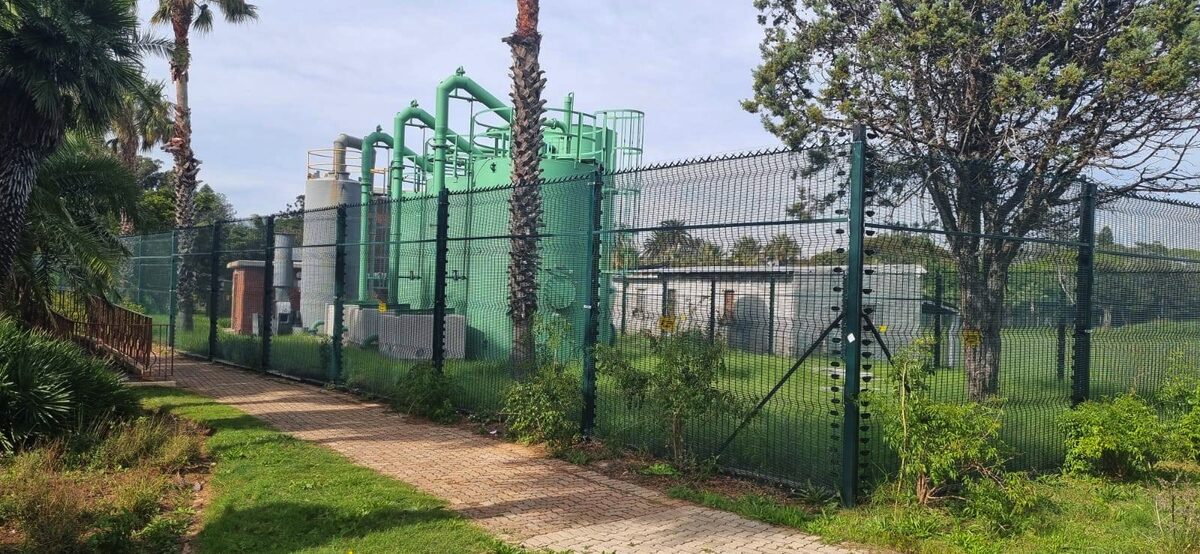

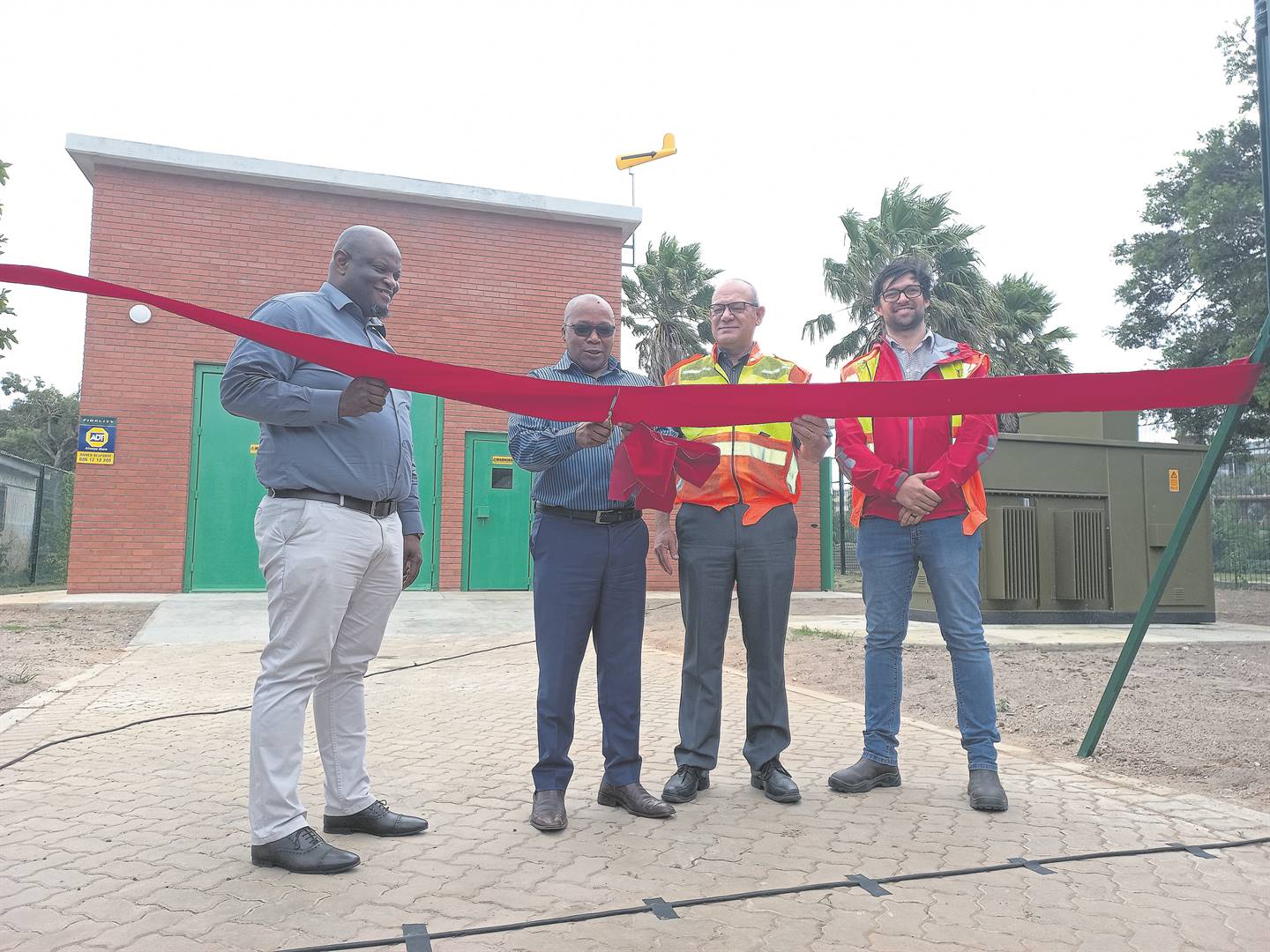
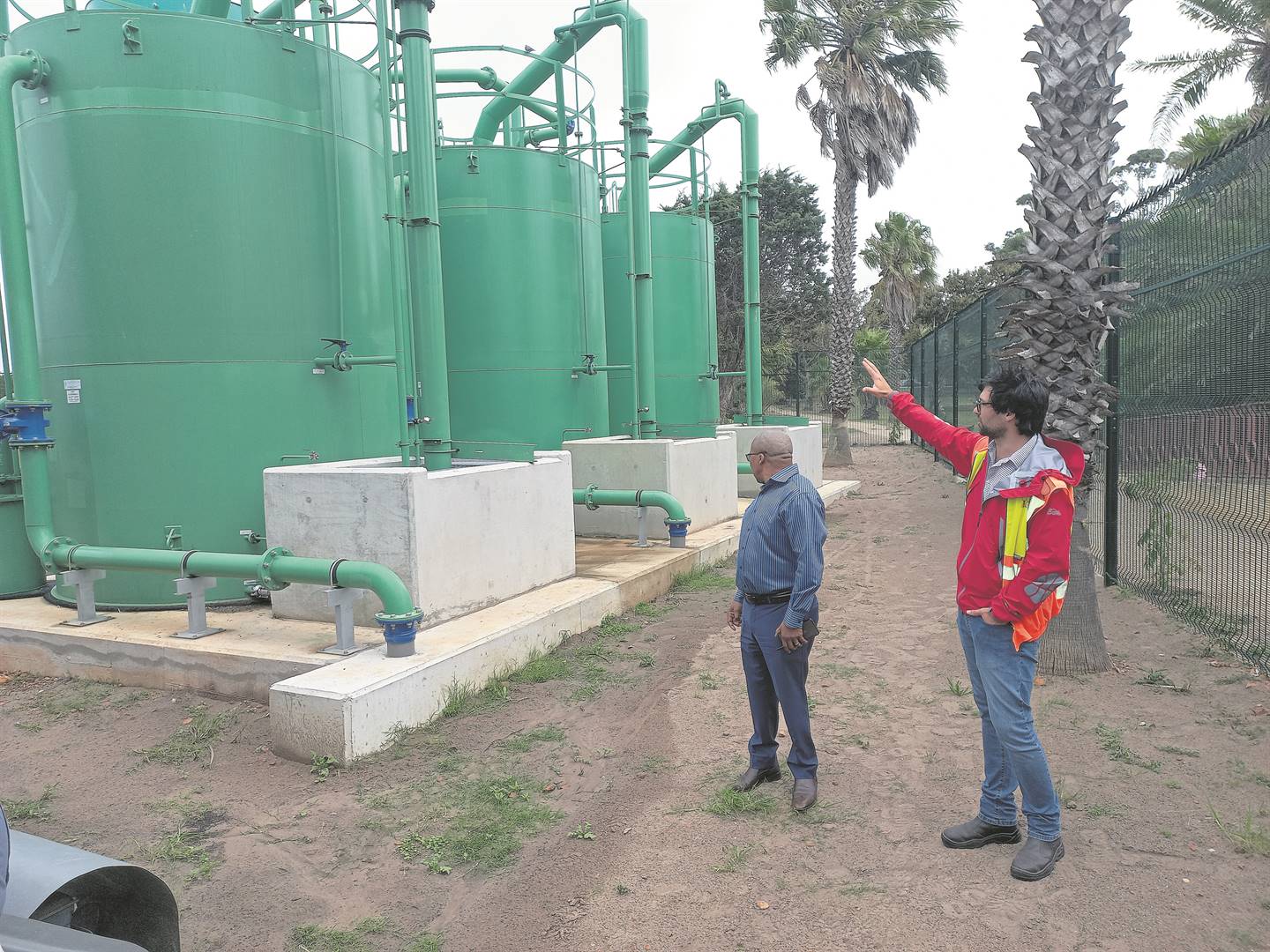
With smiles on their faces, members of the Infrastructure and Engineering, and Water and Sanitation directorates in Nelson Mandela Bay tasted the water at the St George’s Park Wellfield, and confirmed that it is 100 percent drinkable.
This project, started in 2021 to augment water supply to the metro due to the ongoing drought, was recently officially launched following its completion in less than two years.
This site will now produce about 2,1ML of water from a groundwater source that is compliant with SANS 241 requirements.
The groundwater is treated and discharged into the St George’s Reservoir – constructed in 1907 and situated in St George’s Park – before supplying areas that include Central, South End, the harbour, Humewood and Humerail.
This groundwater supply project, with a R46 million cost to the metro, saw a total of four boreholes commissioned, including the construction of treatment works and discharge pipework, a pump station and pressurised pipeline, as well as the installation of mechanical, electrical, and electronic equipment.
A collector pipeline to convey groundwater to a centralised point was also constructed, with bulk earthworks and trenching, as well as the commissioning of a groundwater monitoring system.
Director of Water and Sanitation in the metro, Barry Martin, said that as he took a sip of the water coming directly out of the borehole, he thought back to 13 years ago when they first started exploring groundwater resources, to give a much-needed reprieve to the depleting local dams.
“This is the second of the four augmentation projects to be completed. The Moregrove Wellfields Borehole Project was the first, now St George’s Park. Bushy Park and Coegakop will follow soon. We have made great strides.
“We also used to have approximately 60 pressure zones; these have now been increased to more than 100. Over the last years the western areas had lots of periodical water outages but they are very limited now,” said Martin.
“There is a lot of additional work being done. This was money well-spent and an investment well made,” he added.
Deputy Mayor, Mkhuseli “Khusta” Jack, said that eight years of drought is no joke.
“Crumbling infrastructure that is old is what we are dealing with right now, but we have a dedicated team and we trust them. This team has taken us out of the danger zone which you all so politely refer to as Day Zero.
“However, people must adhere to restrictions because if they don’t, things are going to change fast for them; it is going to change dramatically and it is going to be enforced if people don’t listen,” said Jack.
“The municipality is doing all it can to ensure that we maximise all our resources as we continue to face a dire situation of no rainfall. While we continue to do our part, we need all our residents to work with us, and play their part.
“We cannot win this battle we are faced with alone. We opened the first boreholes project in November last year; this site is our second one and we still have two more sites we will commission later this year.
“We are really doing our best to make sure that residents and businesses have water supplied to them. The water from this site is treated and safe to drink.
“Not only will this site supply the areas that are serviced by the St George’s Park reservoir, but through the constructed pump station, the wellfield will also feed other reservoirs connected to the Churchill pipeline.”
As the municipality continues to urge residents and businesses to drastically reduce water consumption, Drought Crisis public meetings commenced early this month and will continue until April 5.
Residents are encouraged to attend these sessions as executive mayor, Retief Odendaal, his mayoral committee members and top infrastructure and engineering officials will answer burning questions concerning the drought crisis.