
As part of its load shedding mitigation strategy, the Nelson Mandela Bay Municipality Council recently approved a plan to mitigate the rolling blackouts caused by load shedding, that negatively affect residents and the local economy in the short-term as well as medium and long-term.
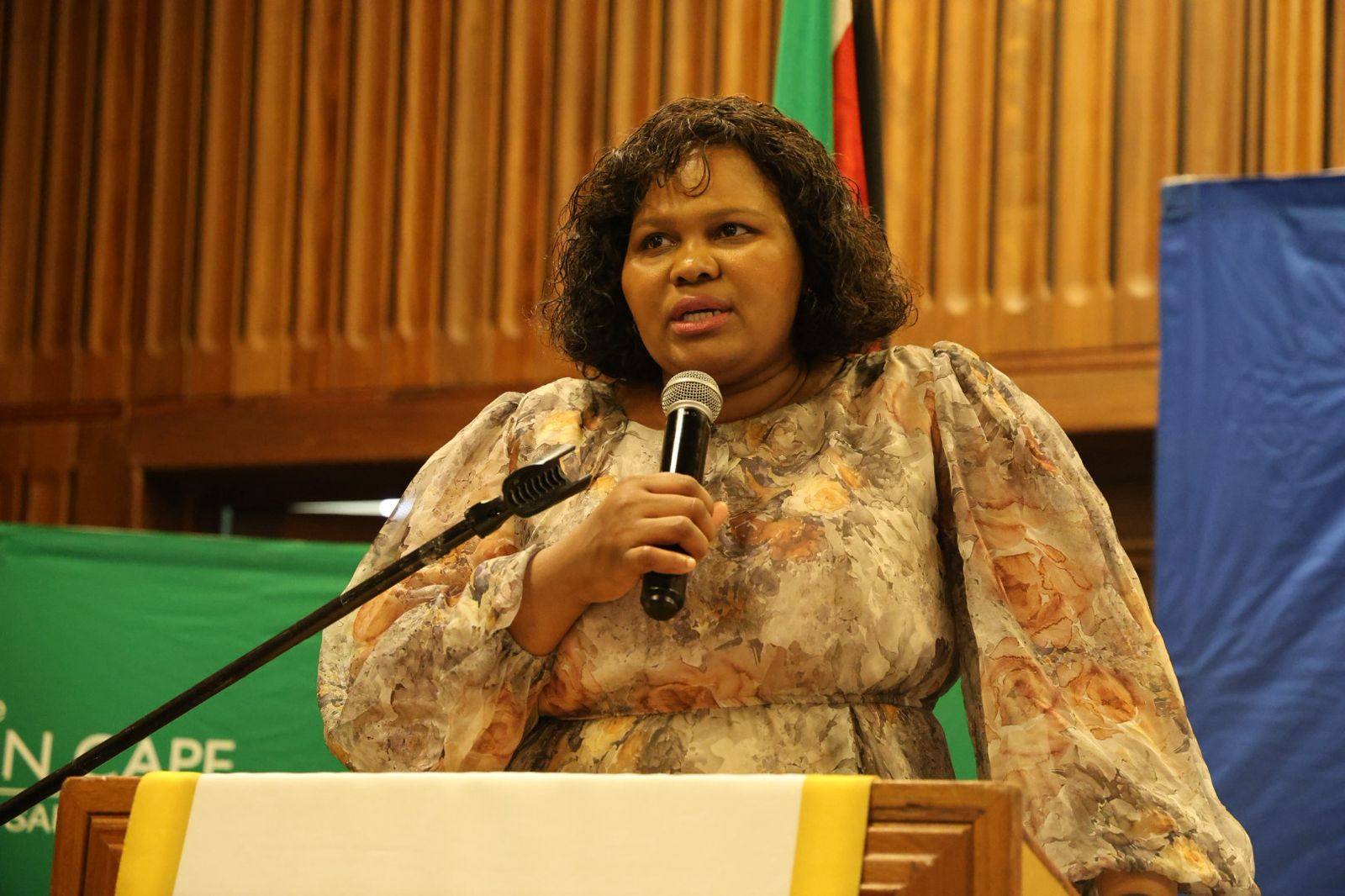
MMC for Electricity and Energy, Lance Grootboom, said that this is in response to the municipality’s dwindling revenue collection from the sale of electricity, and the pertinent need to soften the crippling impact of load shedding on the local economy.
“This plan was previously approved by the committee but has now been approved by council,” he said.
“One of the short-term goals is to explore the electricity load curtailment of qualifying customers. In the medium-term, we foresee the improvement of the electricity-saving capacity of the 84 000 geysers remotely controlled with ripple control switches, by ensuring better compliance by those consumers currently bypassing the system,” said Grootboom.
PE Express previously reported that households that have the Ripple Control System have their geysers switched off automatically via these devices twice daily. The devices were installed in domestic households, where geysers use more than 3KW.
According to him, there are 110 000 households that have the Ripple Control System installed but between 20 and 30 percent have found a way to bypass the devices, hence only more than 80 000 households are actually using them.
He believes that if implemented correctly, and residents play their part, 50MW can be switched off remotely when required.
“The ModPod 50 at Mount Road, with an installed capacity of 50MW, will operate at around 40MW, which is equivalent to two stages of load shedding.”
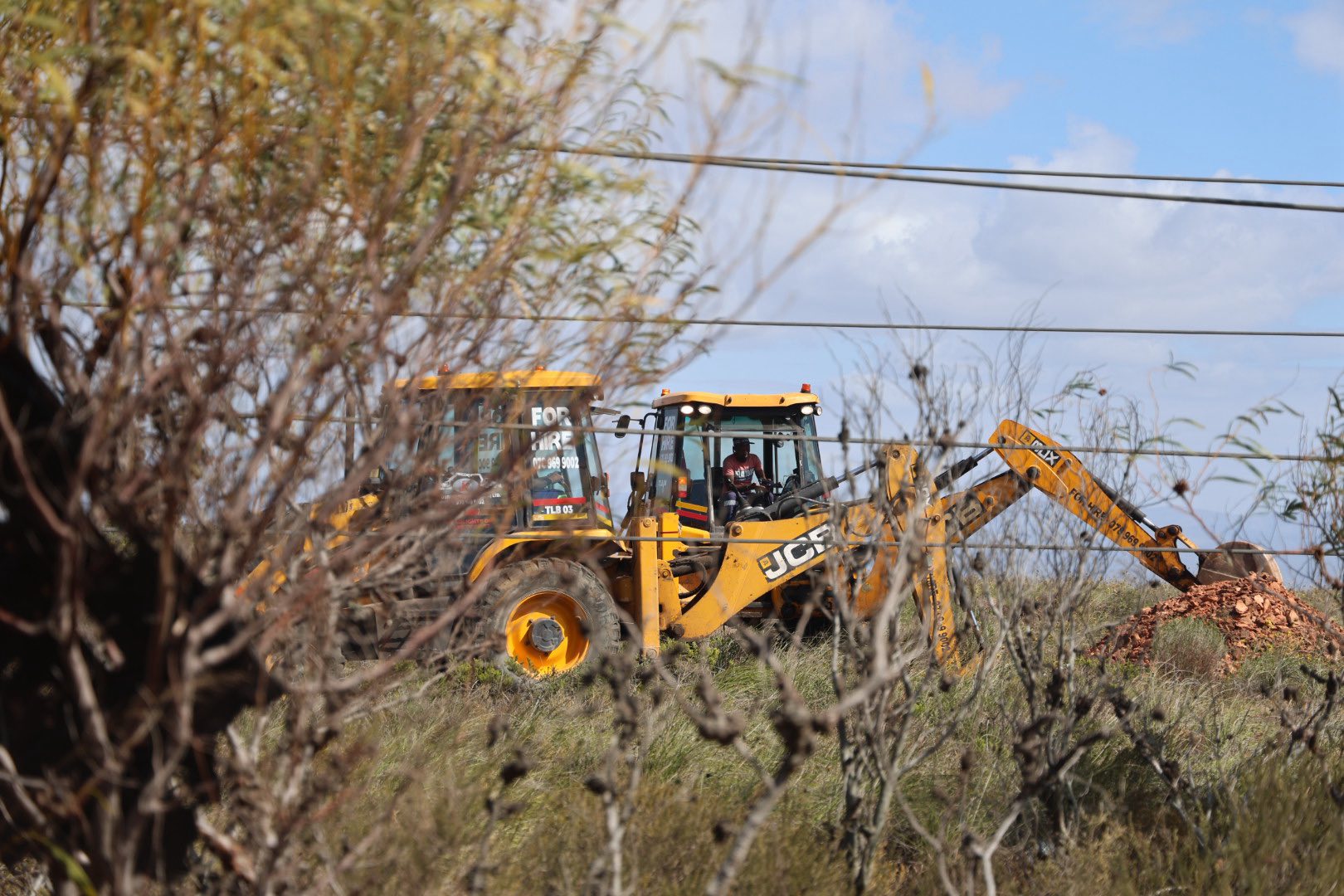
Grootboom explained that a feasibility study was done to assess how much the refurbishment would cost. A service provider will be appointed to assess the facility and provide a report on what is required to get it operational.
“The gas turbine will only be used in a case of emergency, for instance with industries when we go up to stage 6 or stage 7 load shedding, and they need to tap into to ensure that the economy keeps running and production is not affected.”

Grootboom added that they would, in the long-term, procure electricity from independent power producers up until 100MW.
“There is also the Hive Hydrogen Memorandum that we have undersigned for approximately 300MW power. This is where they provide us with electricity for free during the day, and we in turn provide them with electricity at night when their storage capacity is low and our demand is low,” he explained.
“Currently, our load shedding is less than that of other municipalities, and we have definitely reduced the impact but Eskom is the problem at the moment because it does not recognise our load reduction. They still want the remainder of whatever our load is, and that is why we still have load shedding,” said Grootboom.
“Businesses are still running. They have a 24-hour voluntary load shedding period that we prescribed for them, and we are looking at different and better options so that they don’t need to have the voluntary load shedding.”
He added that the metro approved a sustainable energy plan 2030, which is a long-term plan that includes facilitating for consumers to install Rooftop Photovoltaic Systems on their premises and receive rebates for energy not used through a net-billing tariff.
The long-term plan will also seek to deploy renewable energy initiatives through the municipal buildings and infrastructure, in order to reduce the electricity demand of the metropole and the national grid.