
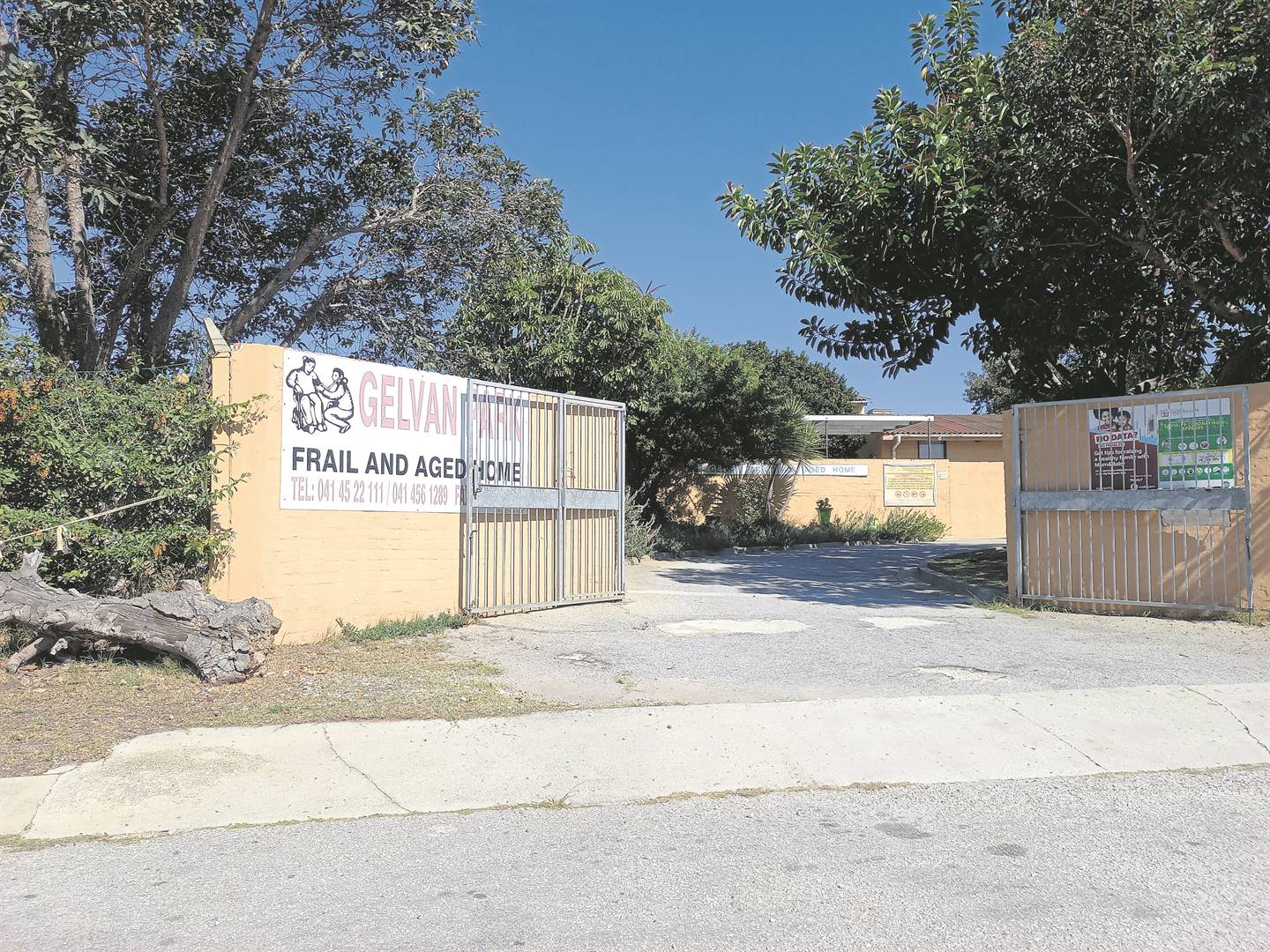
With expenses exceeding income, a frail home in Nelson Mandela Bay has no idea how long it will be able to continue operating, and closing their doors in the near future is a very real possibility.
The Gelvan Park Frail Aged Home has been struggling for years and, although supported by a government subsidy and relying on donations as well as the payments made by residents, the cost of living has increased with the government’s contribution towards the facility remaining unchanged.
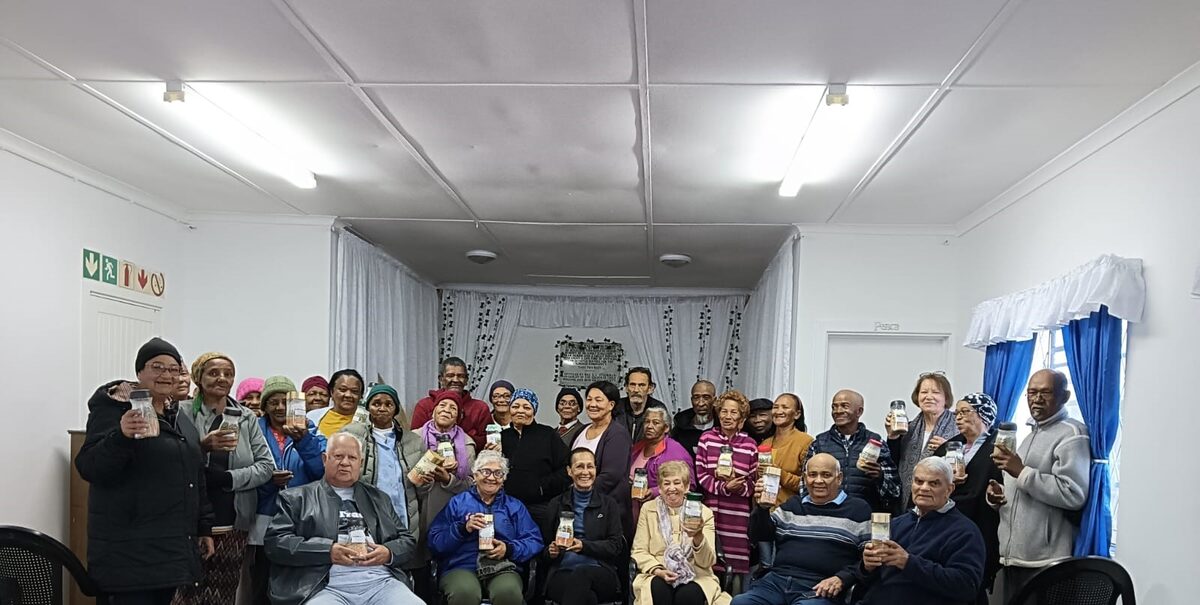
Chairperson of the home, Gishma Johnson, explained that the facility houses 100 sick senior citizens from impoverished backgrounds.
The residents pay for their stay with their pensions, and for 98 of these residents the government gives an extra R2 000 each. This used to be for all residents, but budget cuts have been made.
She explained that the government does not provide any money towards staff costs and, since it is a frail care home they employ nurses, staff nurses and caregivers who rotate on two shifts over a 24-hour period.
“They actually get paid from the income that we get from the residents, which is their pension. This pension makes up for their boarding fees. On average, a pensioner gets about R1 900, and only here and there some of them earn R2 010 and that must make up our salaries,” she said.
“Our salary bill is R210 000 a month but we get in only approximately R190 000 per month from residents’ boarding fees, so you can already see the shortfall there. The R2 000 that we get per resident from the Department of Social Development is not for salaries, but for food, nappies and toiletries, and that is hardly ever enough.”
Johnson said that at the beginning of every financial year the service level agreement with this department must be renewed, and the department takes at least four months to do this.
“This is not just with us. All the other homes would be in the same boat. The only problem with us is that we have 100 frail, poor residents, which means that their family members can’t cough up the shortfall that we have.
“So, when we wait for the service level agreement to be concluded around July, they call us in for a meeting, and only thereafter start making payments, which means that we are four months without a subsidy,” she explained.
“In turn, that also means that the R190 000 must now cover everything, including salaries of R210 000, nappies of R55 000 a month, food of about R80 000 a month and the list of needs is endless.”
She added that closing doors probably won’t happen now, but the facility is unsustainable.
“This is probably one of the poorest homes, and it’s the only home in our immediate vicinity that accommodates 100 percent frail residents. The demand for frail care is never-ending, and we probably at any given time have about 20 to 30 people on our waiting list.
“With unsustainability you don’t really know what to do because you can only raise so many funds, and only ask so much from the community. Corporates are very good to us but unfortunately with the high cost of living, the home is just not sustainable.
“Food and utilities have gone up and we are struggling to keep head above water much more than before.”