
Hundreds of businesses operating in six industrial areas in Nelson Mandela Bay are counting the cost of losing production time as a result of unplanned power outages, which have risen to 42 since the beginning of the year, said Nelson Mandela Bay Business Chamber chief executive, Denise van Huyssteen.
The businesses are located in some of the busiest manufacturing hubs in the metro, such as Struandale, Kariega, Korsten/Neave, Perseverance, North End and Deal Party.
The impact has been severe to the extent that businesses were left without power for hours, compromising their production targets and not being able to meet customer orders.
On a Monday, the power went out in Struandale on the Chatty/Swartkops 132kV circuit breaker for over two hours and affected a number of businesses operating in the area. Another outage was recorded the day after, when the same circuit breaker tripped, leaving the area without power for over an hour.
The outages have become a weekly occurrence in the area, and companies are forced to continuously adjust their operations in order to meet their targets.
Struandale Cluster chairperson, Angus Clark, confirmed that there is an increase in occurrences where electrical protection systems are not functioning, because the fibre links are damaged or not working in the area.
“Unscheduled power outages place companies in the manufacturing sector in a precarious position as production is affected, forcing them to implement short time and not being able to meet their contractual obligations with their customers,” said Van Huyssteen.
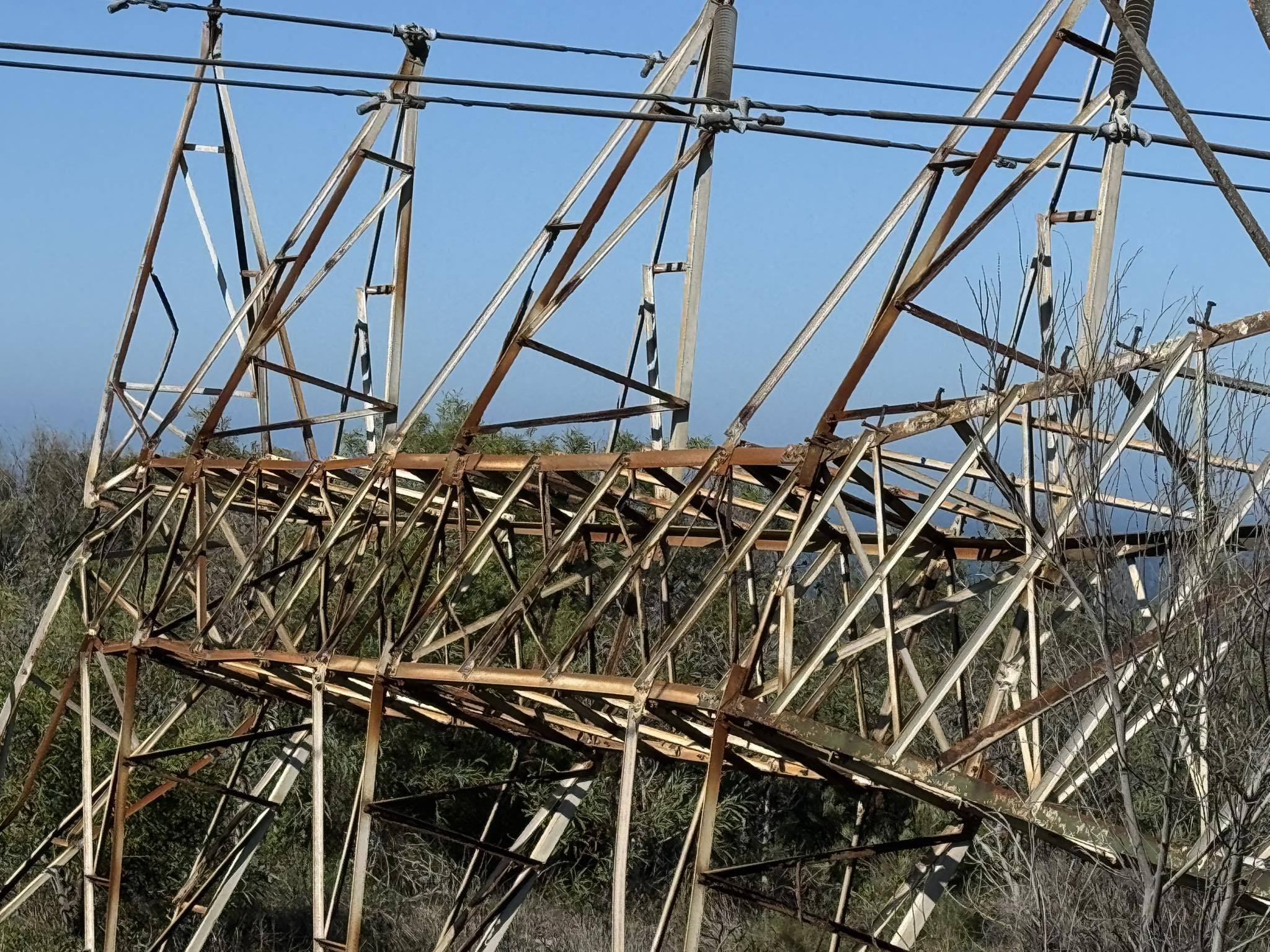
She attributes many of these recurring incidents to aged electricity infrastructure, the impact of constant loadshedding on switchgear and electrical faults, damage to fibre links and sub-station vandalism, and cable theft.
The situation has further been exacerbated by a lack of resources to undertake regular maintenance and upgrades of municipal substations and equipment. There are around 3 000 sub-stations located across a wide geographical spread in the metro.
Vandalism of municipal electrical infrastructure remains one of the biggest challenges for metro businesses, as it directly impacts their operations. As such, the Adopt a Substation initiative, established as a partnership between the municipality and the chamber to safeguard this key infrastructure and business in the region, has enabled businesses to extend their private security to sub-stations within their areas of operation. To date, 19 sub-stations have been adopted and businesses have put security measures in place, such as monitoring and armed response, which to date have proven to be effective in preventing potential incidents of vandalism.