
The Ford Wildlife Foundation (FWF) has a long and proud legacy of supporting environmental research, conservation, and education across Southern Africa over the past three decades, and is currently involved with 29 projects across the region.
FWF, through funding from Ford South Africa and supported by its nationwide network of Ford dealers, provides the locally-built Ford Ranger Double Cab 4×4 to partner organisations, thereby giving them crucial mobility. With many of the projects having to reach areas that are remote and difficult to access, the exceptional capabilities of the Ranger 4×4 make it a valuable tool for the important research and conservation initiatives, while also freeing up critical funds that can be used to further enable the projects.
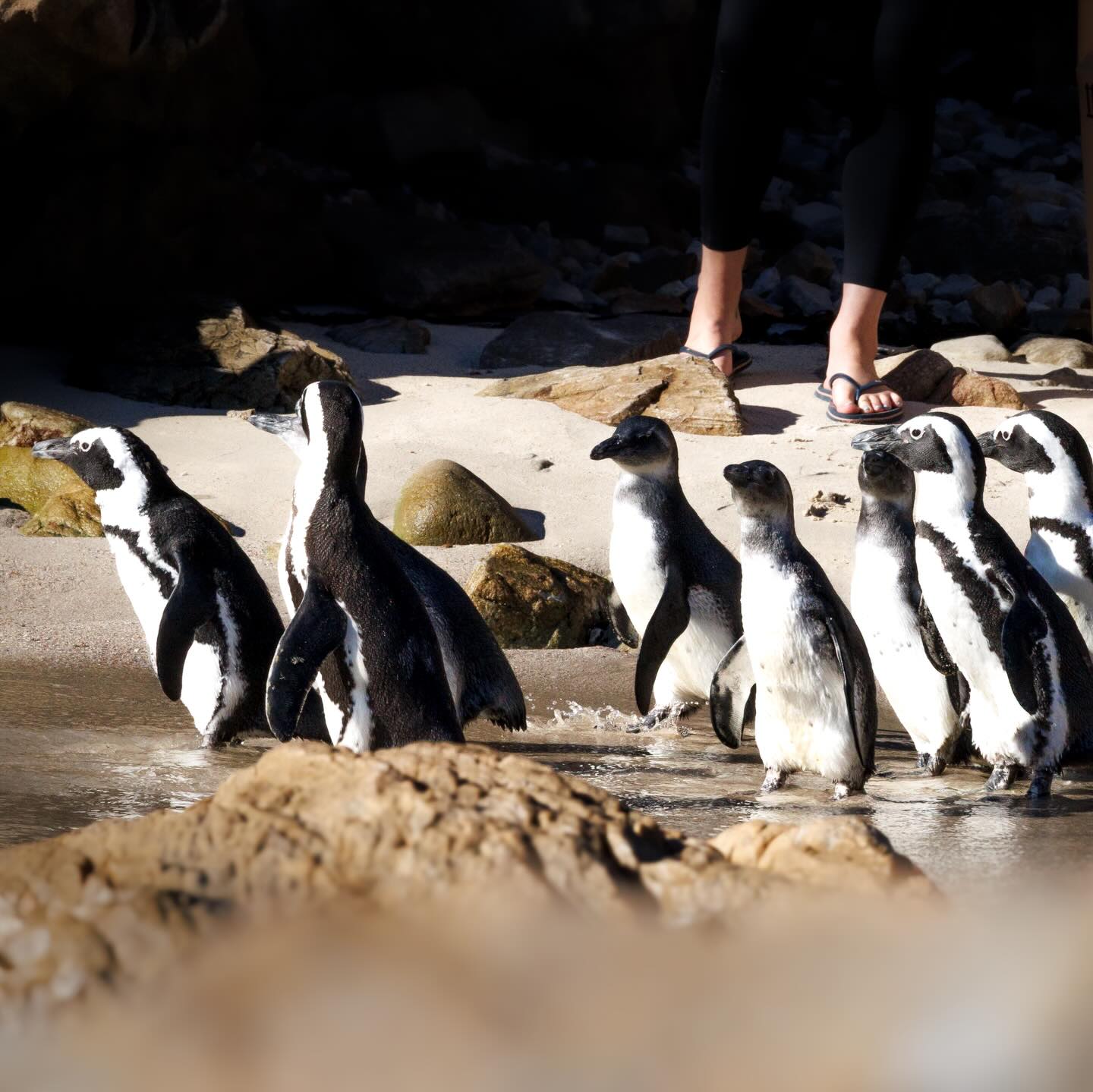
The Southern African Foundation for the Conservation of Coastal Birds (SANCCOB) is one of the organisations that FWF has supported for several years, contributing towards its efforts to protect critically-endangered African penguins and threatened seabirds along the Eastern Cape and Western Cape coastline through its two centres, located in Gqeberha and Cape Town, respectively.
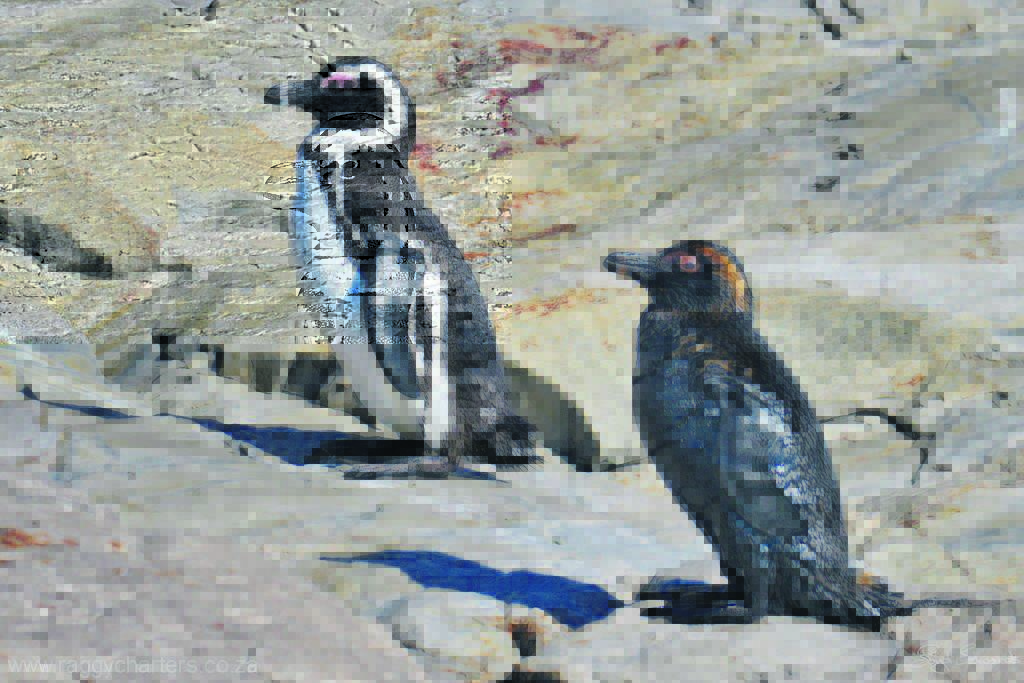
SANCCOB is a registered non-profit organisation whose primary objective is to reverse the decline of seabird populations through the rescue and rehabilitation of sick, injured and oiled seabirds, including the endangered African penguin, and threatened and protected species such as the Cape gannet, African black oystercatcher, Cape cormorant and tern and gull species. Once the birds have fully recovered, they are released back into the wild to bolster seabird populations.
Along with providing vehicles to both SANCCOB centres, over the past two years FWF has donated a total of R100 000 towards the organisation’s emergency rescue projects. This supported the Gqeberha centre’s rescue and rehabilitation of African penguin chicks from the nearby St Croix Island and Bird Island.
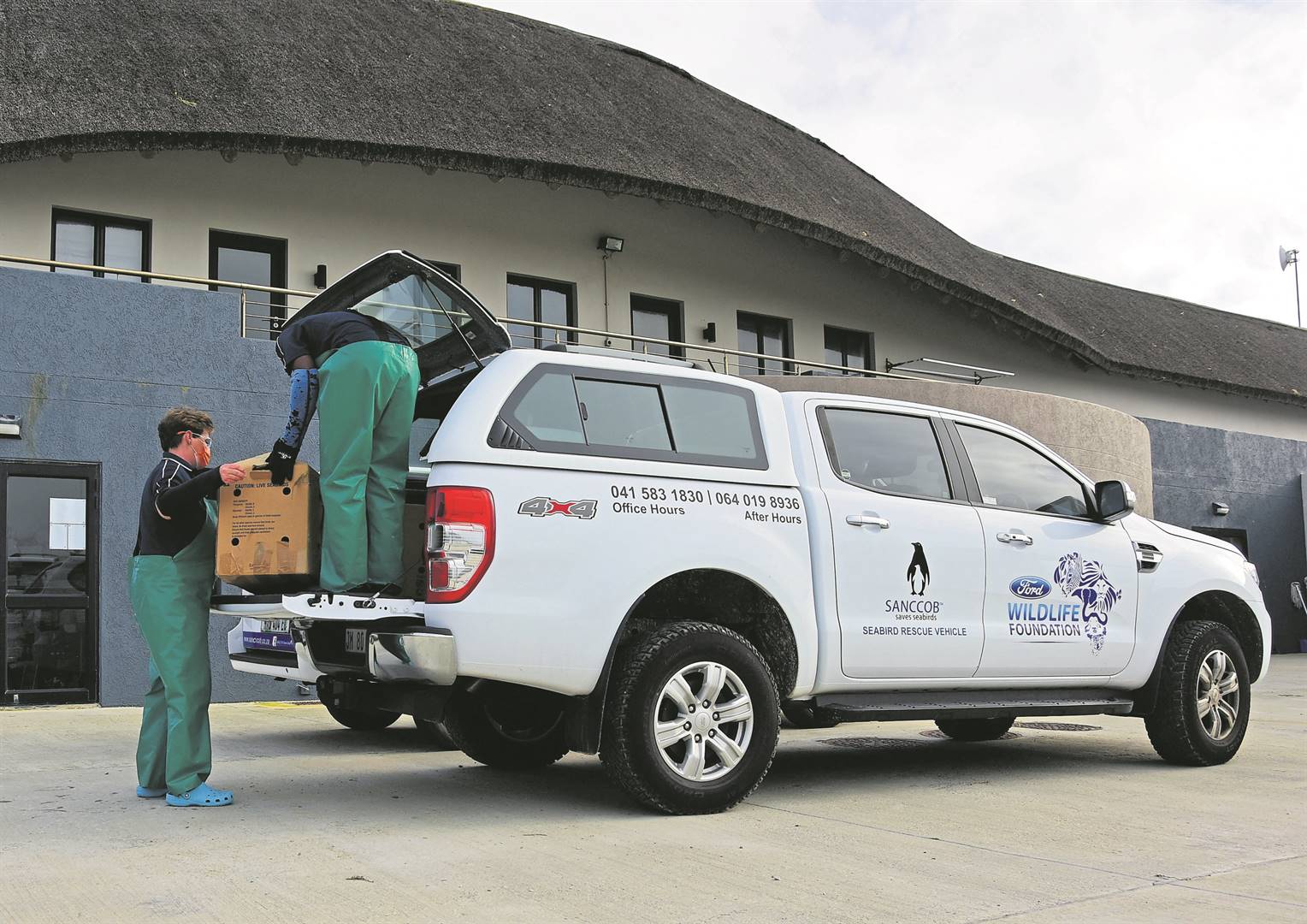
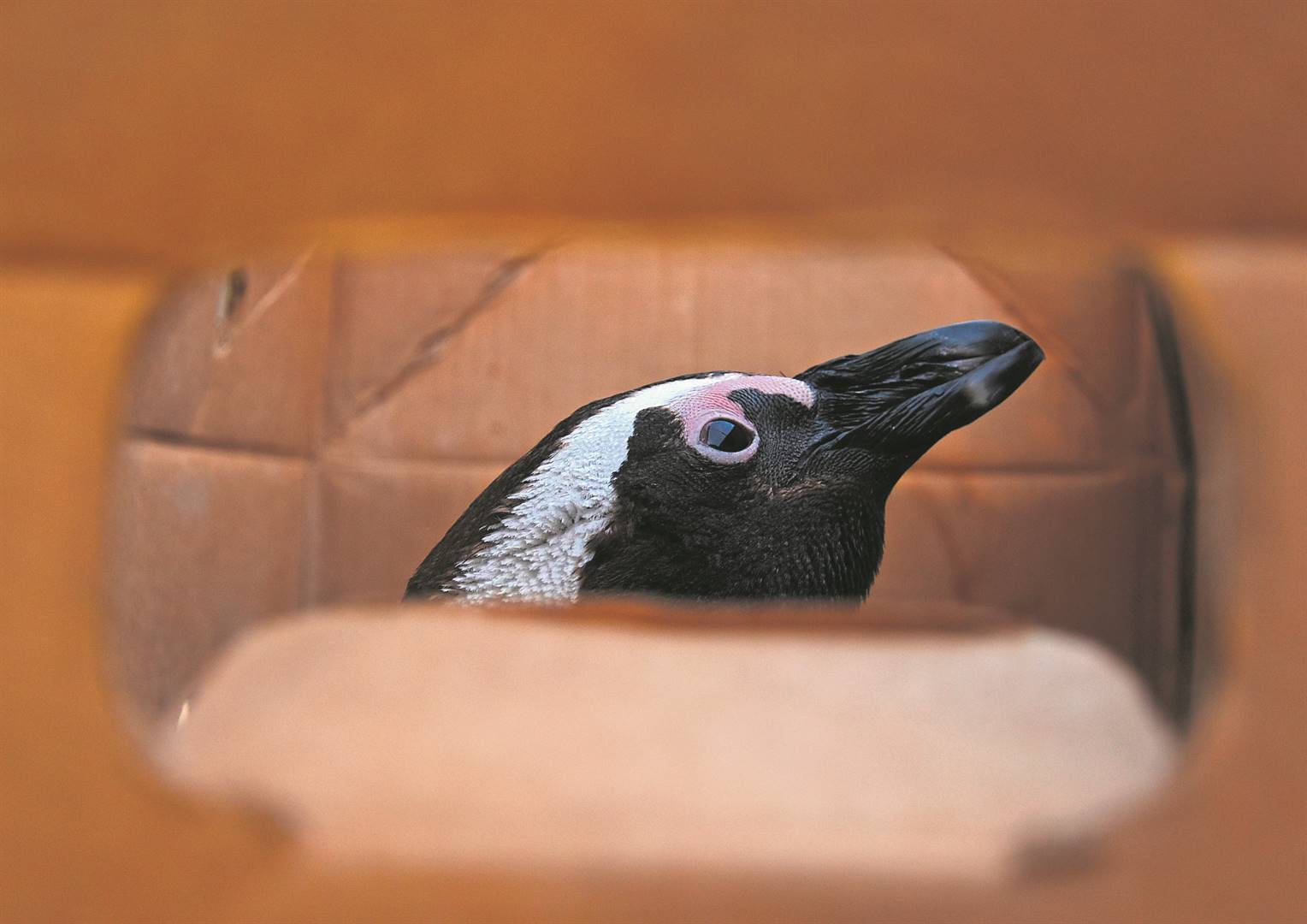
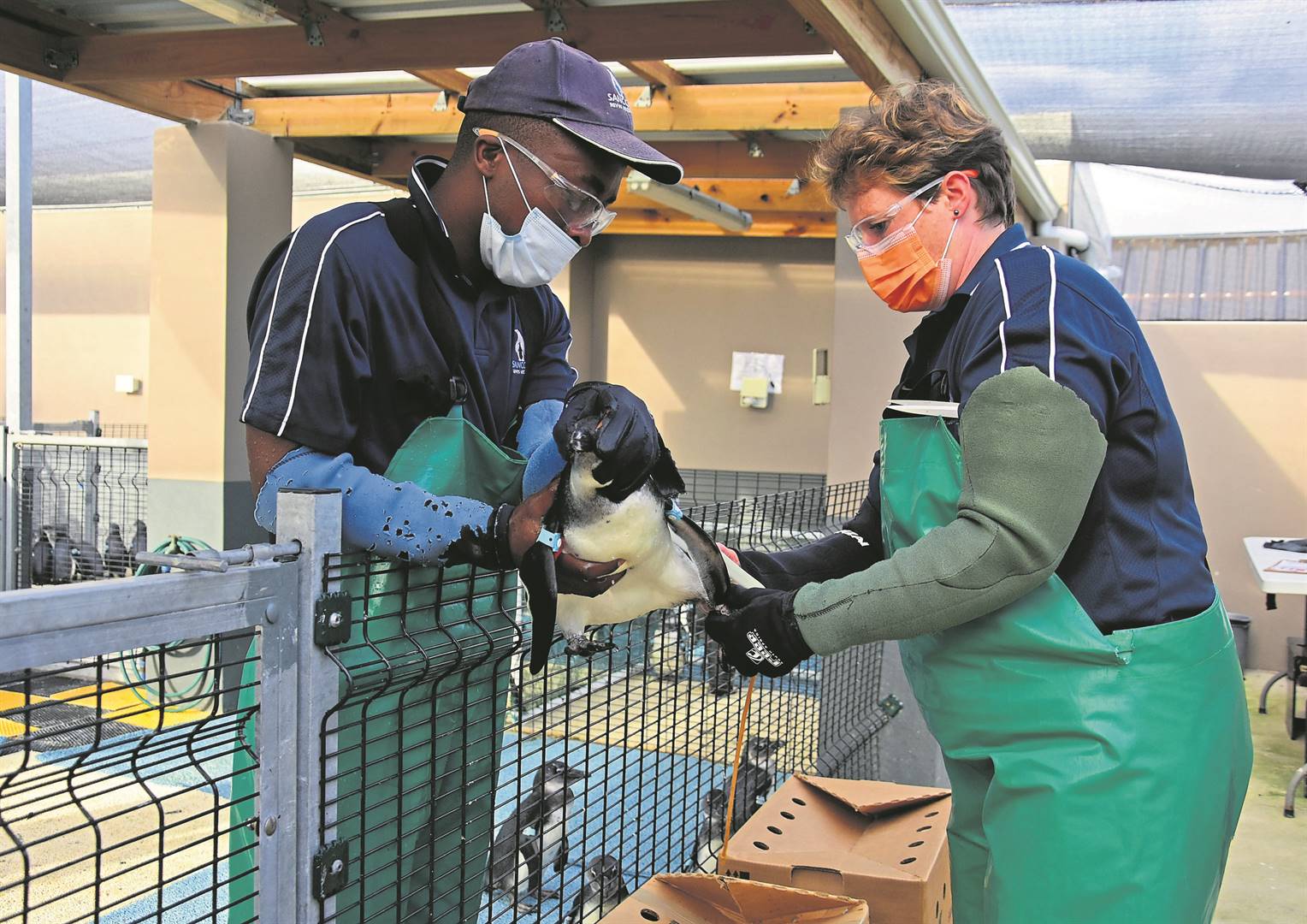
SANCCOB has two Seabird Monitors based on Bird Island, located in the Addo Elephant National Park Marine Protected Area (MPA) in Algoa Bay. These monitors work closely with South African National Parks (SANParks), the managing authority of the MPA, and play an integral part in rescuing and stabilizing injured, ill, and oiled seabirds, as well as abandoned chicks on the island, before they can be transported to the SANCCOB Gqeberha facility for treatment and rehabilitation. This initial care greatly increases the chance of the seabirds being successfully released back into the wild after rehabilitation.
“African penguins are considered an indicator species for the health of the overall marine ecosystem, and we are committed to doing everything we can to protect these important populations in Algoa Bay.”
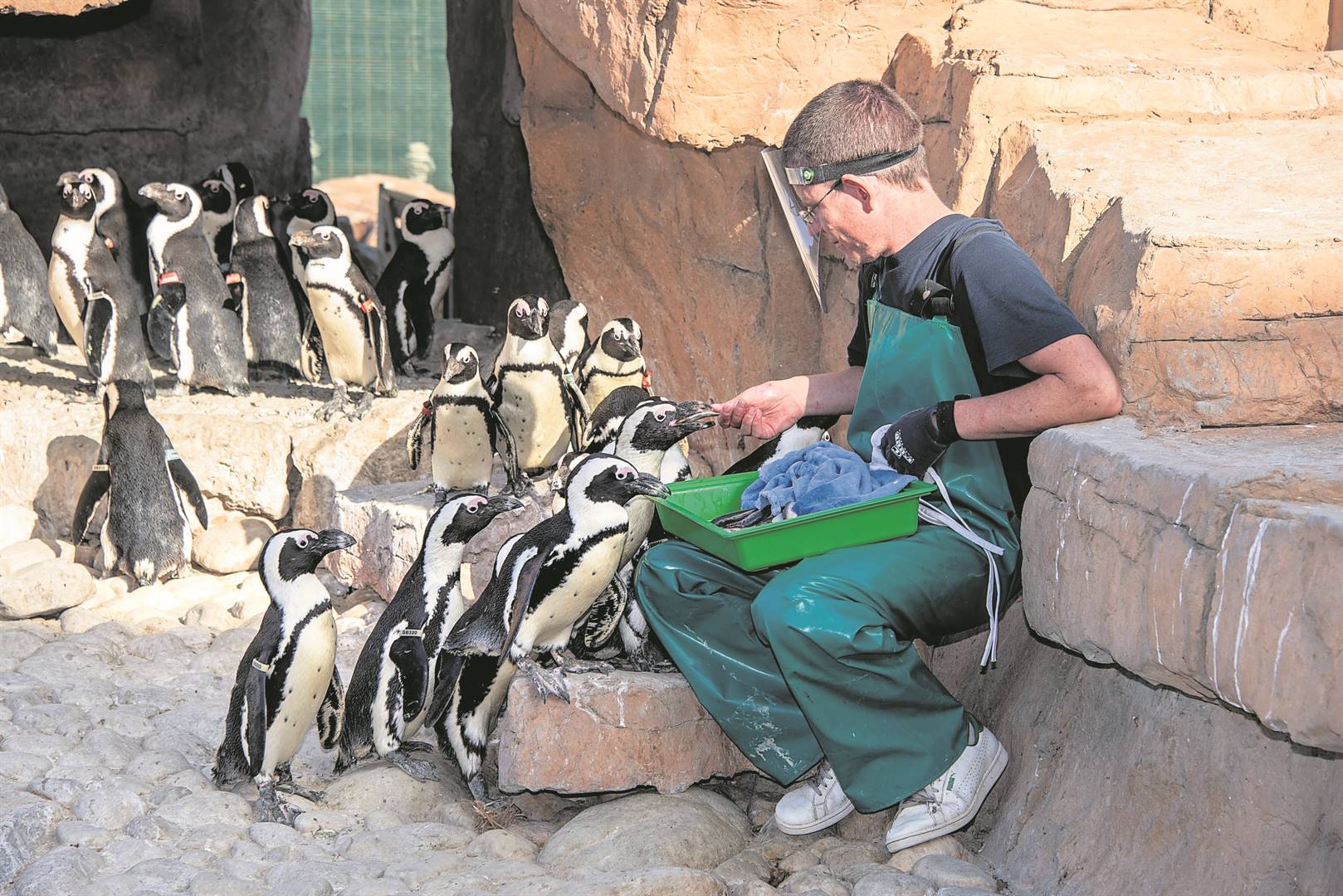
The SANCCOB Gqeberha Centre is based in the 366-hectare Cape Recife Nature Reserve on Marine Drive near Summerstrand. The facility is fully equipped to handle the rehabilitation of adult and juvenile penguins and other seabirds and in 2021 launched its new rehabilitation pool and associated pens to house and treat the rescued animals. The facility is equipped with a seabird hospital with a surgical theatre used for minor surgical procedures, a Chick Rearing Unit (CRU) and an Intensive Care Unit (ICU). In a normal year where no oil spills occur, SANCCOB treats up to 2 500 seabirds between its two centres.
Education plays an important role in any environmental research or conservation project, and SANCCOB is open to the public seven days a week. The centres provide educational tours and popular daily feeds for the penguins as one of its most important fund-raising mechanisms.