
Recent rainfall brought significant relief from the protracted drought experienced in the Algoa Bay region, with a significant recovery in dam levels, to the extent that Kouga Dam recorded its first overflow since 2015.
This catchment is of strategic importance to the western parts of the Nelson Mandela Bay Metro, Kouga Local Municipality, as well as the agricultural sector in the Gamtoos Valley.
“The department’s Water Resource Management Planning processes are based on hydrological trends; hence there will be continuous monitoring of the accumulation of rainfall-generated run-off throughout the remainder of the hydrological year (period of monitoring) in this catchment.
“Climate experts warned that there are indicators of a strong El Niño developing, which could coincide with warmer temperatures and lower rainfall across South Africa (CSIR, 2023),” said Wisane Mavasa, Department of Water and Sanitation spokesperson.
“The full impact of the anticipated El Niño effect is not known; hence the department’s hesitancy to confidently declare that the protracted drought period has ended. The analysis over a longer period will provide for a more accurate climate and hydrological trend. This analysis will enable a decision to be made in November regarding the annual restrictions to be imposed on the region.
However, in the interim, the hydrological recovery of the Algoa water supply system has allowed the department to favourably consider the upliftment of the restrictions for the area. This relaxation of water use will contribute to the economic recovery in the domestic, agricultural, and industrial sectors in the area,” Mavasa continued.
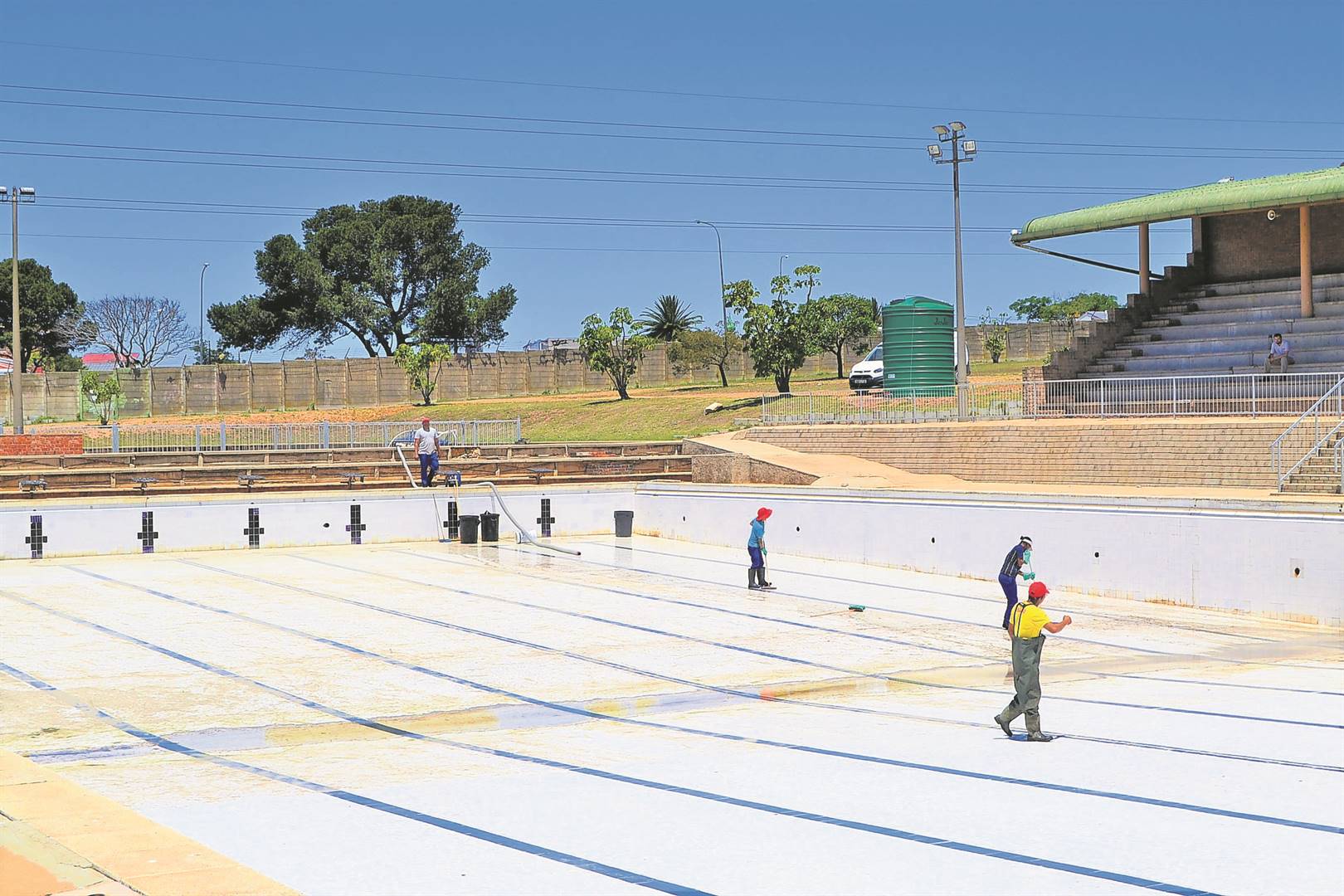
When it comes to the state of swimming pools in the Bay, the municipality has not yet announced reopening.
“The issue of swimming pools is part of restrictions that are currently in place. We have not yet received any communication from Water and Sanitation with regard to adjusting the restrictions in place,” said Nelson Mandela Bay Metropolitan Municipality spokesperson, Mthubanzi Mniki.
Water users are, however, required to continue using water responsibly and not to exceed water use abstraction allocation volumes. The general public is also encouraged to continue conserving water and to report water leaks. The Algoa water supply system is still under threat of a growing demand that exceeds the yield, which implies that consumption levels are higher than the natural replenishing ability of the water resource system.
The sensitive nature of this water supply system demands the co-operation of the collective community dependent on this water resource, to continue using water sparingly.