
The Nelson Mandela Bay Municipality has kick started several interventions following a confirmed cholera case received by the NMBM municipal health services office last week.
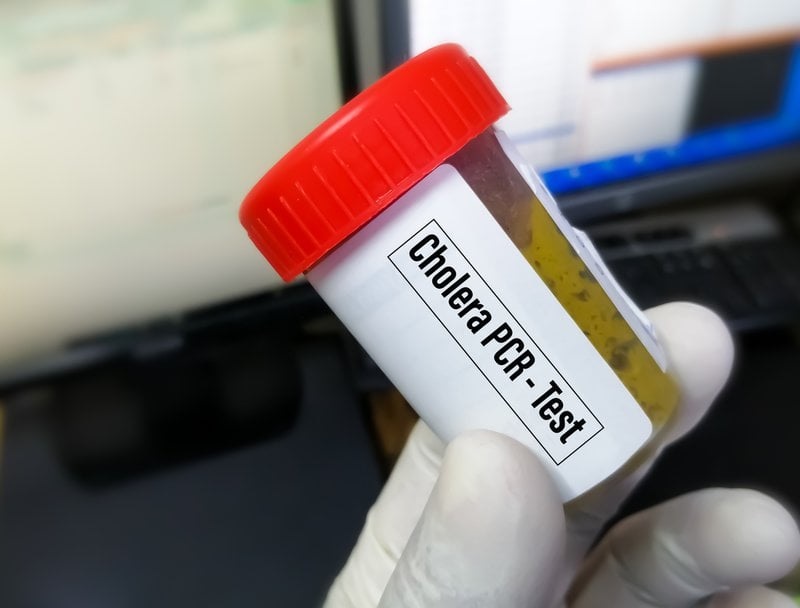
This comes after the metro received a notification of a case of cholera (Vibrio Cholerae 01), and later confirmation that the resident lives in Walmer Township, Gqeberha. The resident was admitted to a local hospital after falling sick. Upon examination of the stool, the cholera bacteria were isolated. There were no further cases reported for the NMBM area.
Environmental Health Investigation: Upon receipt of the disease notification, the NMBM environmental health team investigated with the intention of identifying the source of the infection and identifying other possible contacts to limit the spread of the disease. The affected person was the only one who got sick in the household. Further investigation revealed that there was a sewage line blockage in her yard, which resulted in a sewage build-up. The line was subsequently fixed and currently there in no longer a build-up of sewage and no-one has fallen sick in the household. The investigation is ongoing.
Contact tracing: All persons who reside with the affected individual were visited as part of contact tracing, and none of them were found to be sick.
Cholera surveillance: NMBM is conducting a cholera surveillance programme in wastewater for early detection of cholera cases in the community. This step is very important as early detection of cases will allow all health role players to get their responses ready. It is also possible to contain the spread of disease once the surveillance system detects the possible source of the infection.
Community health outreach: The NMBM will send regular communication to members of the public about the cholera situation in its area. The NMBM has also issued useful tips for the community on cholera, how it spreads, and how community members can protect themselves.
“We advise the community to be alert and vigilant. We believe there is currently little reason for the community to be concerned about the municipal drinking water, as the drinking water undergoes strict treatment processes before it is reticulated to communities. Secondly, drinking water is tested on a weekly basis for compliance with the health standards and, so far, the results have shown no contamination or cause for concern. Residents are encouraged to contact 041 506 5400 to report any suspected cases or if they have any enquiries,” said NMBM media liaison officer, Mamela Ndamase.