
There are different types of fans of
Formula 1 racing. And no, we’re not talking about the difference between Lewis
Hamilton and Max Verstappen fans. These two categories of fans can be
best described as those that came before and those that came after Drive to
Survive.
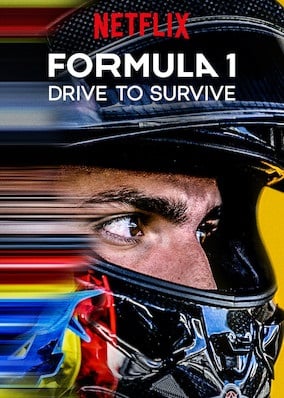
If you’re not familiar with the
Netflix series Drive to Survive well done to you.
On a positive note,
the series has introduced the sport of F1 to a new, younger generation of fans.
This in unquestionably to the benefit of the sport in terms of growing its
global footprint. Let’s be honest there isn’t a sporting series around that
doesn’t attempt to cash in on highly lucrative world of entertainment.
There’d be absolutely nothing wrong
with this of course if the series was fair in its representation of the sport,
the drivers, and all that makes it go round. But. It isn’t. It flagrantly prioritizes
sensational storylines and conflicts, often amplifying rivalries and tensions
among teams and drivers to create a more engaging narrative. This approach does
little more than paint a distorted picture of Formula 1.
There is a
distinct tendency to reduce the real people involved in Formula 1 to mere
characters in a scripted drama. By focusing on conflicts and controversies, the
show often oversimplifies the complex relationships and dynamics within the
sport. Drivers and team personnel become caricatures, with their personalities
exaggerated for the sake of storytelling. This not only misrepresents the
individuals involved but also undermines the authenticity of the sport itself,
turning it into a staged spectacle rather than a genuine competition.
Furthermore, the
show’s inclination towards sensationalism raises questions about its commitment
to accuracy. The blurred lines between reality and dramatization can mislead
viewers, leading them to believe that certain events unfolded in a more
dramatic or contentious manner than they actually did. This approach risks
eroding the credibility of Formula 1 as a legitimate and serious sporting endeavour.
Some examples of
how the show deceives viewers include chronologically manipulating the order of
events to build suspense and drama. For instance, it may present a driver’s
reaction to an incident before revealing the incident itself, creating a false
sense of tension and narrative.
The show also tends
to oversimplify the complex dynamics within Formula 1 teams. It might
exaggerate internal conflicts or rivalries within teams, reducing the intricate
decision-making processes to mere sensational storylines. Personal conflicts
among drivers are often amplified for dramatic effect. While tensions can run
high in the competitive world of racing, the series has been accused of
exaggerating rivalries and making them more confrontational than they may be in
reality.
Team principals,
such as Christian Horner of Red Bull Racing and Toto Wolff of Mercedes, are
portrayed in a way that emphasizes their rivalry and conflicts. The series achieves this by giving disproportionate
attention to controversial statements and incidents, shaping the narrative
around moments that generate conflict [Insert any Horner/Wolff quote
here]. This can lead to a skewed perception of the sport, focusing more on
drama than on the strategic and technical aspects that make Formula 1 unique.
In the pursuit
of higher ratings and entertainment value, Drive to Survive sacrifices
the nuanced and intricate nature of Formula 1, portraying it as a soap opera
rather than a multi-billion rand global sporting spectacle. While the series
has undoubtedly brought new fans to the sport, its impact on the perception of
Formula 1 and its key figures is a subject of ongoing debate within the racing
community.