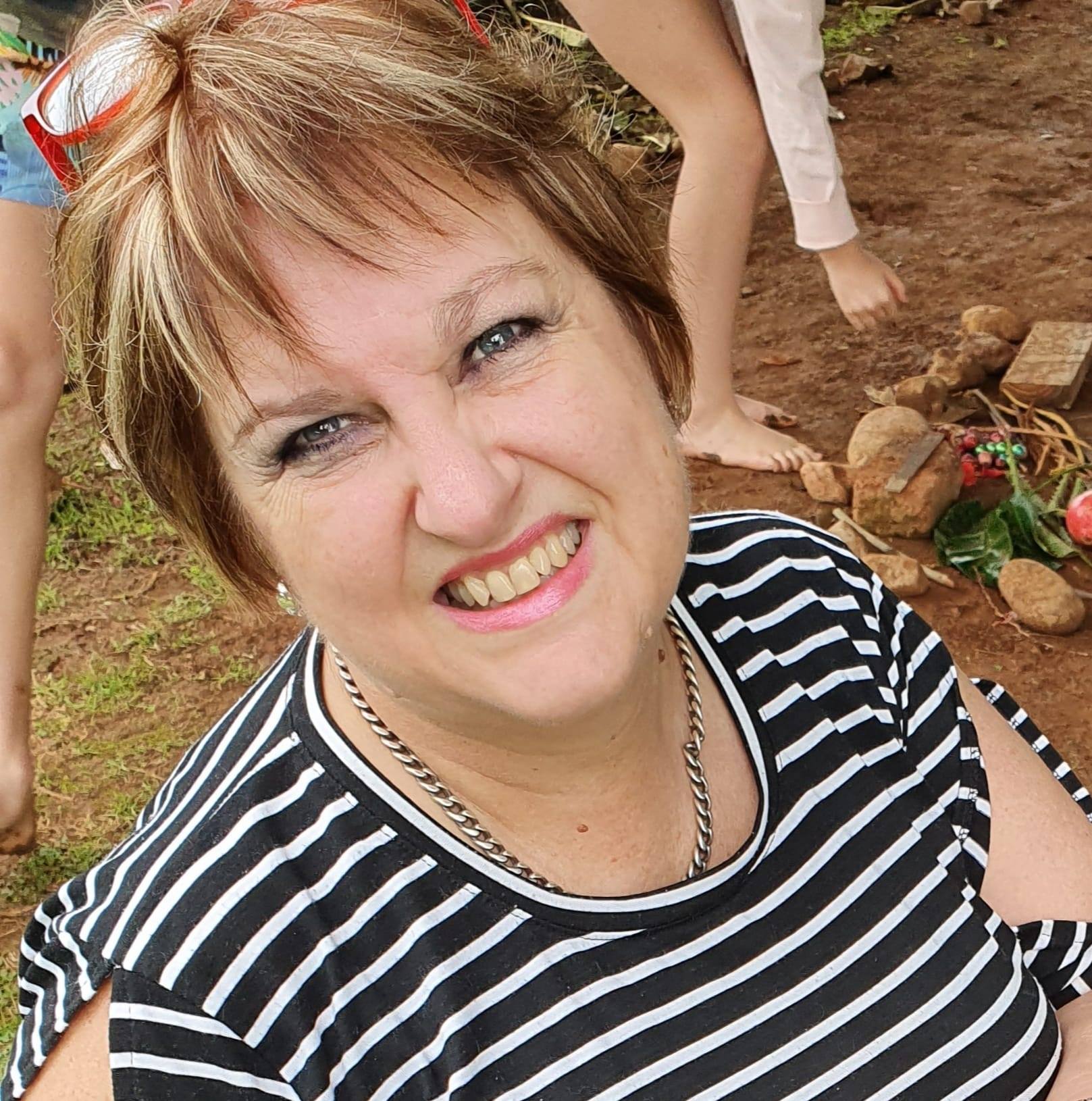

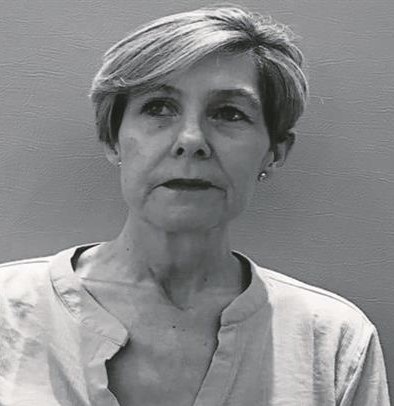
My mother, Michelle Saayman, was only 50 when she was diagnosed with kidney cancer. Her cancer diagnosis came as a massive shock to me, because before her diagnosis I had never heard of anyone with kidney cancer, or was even made aware of the cancer.
We used to joke and say my mother was the queen of portion control; she followed a healthy diet, maintained a healthy weight, exercised regularly, and had no underlying health conditions. She prioritised all the necessary health check-ups and screenings. For me she was the healthiest person I knew.
On Friday, October 1, 2021, that picture of my mother being the healthiest person I knew changed when the words, “Danielle, mom’s got diagnosed with kidney cancer” came over the phone from my father. Those words left me shocked, speechless, and confused. I felt that it must have been a mistake, but it was not, it was our reality.
During August of 2021 my mother started experiencing back pain, which she initially thought was caused by moving furniture around in the house, something she did often. The pain became so bad that some days she felt like she could not walk, and she went to the doctor where she was only given pain medication. As the days went on, she experienced even more intense pain. She started losing weight, and by the end of September she started experiencing symptoms linked to kidney stones. She found blood in her urine and got a fever sometimes.
On Saturday, September 25, she revisited the doctor, where she was told it could be kidney stones and got sent for a CT scan. After the scan she was informed that there was a mass on her left kidney, and she was referred to an oncologist at Cancer Care in Gqeberha.
The news that Friday morning from the doctor shocked her; my mother later that day compared hearing them say “you have cancer” to someone dumping a bucket of ice-cold water over you. Not only was my mother told she had metastatic left kidney cancer, but it had already spread up her spine and caused severe erosion of T2 that required emergency surgery before any treatment could start.
Once she was surgically stabilised, they wanted to start treatment as soon as possible. Then a glimpse of hope came for us while we were in this storm, still trying to make sense of it all. She was selected to take part in trials by an American pharmaceutical company on her type of kidney cancer. Taking part in this trial would have meant she would have received the best care, and all medical expenses paid for.
After two months of being in and out of the hospital for blood transfusions, with the hope of getting her iron levels up, she was told she could not participate. The doctors believed they had done everything to get her iron levels up. She then got given a chemo pill, the “terrible pill” as my mom referred to it.
I will never forget how she held that tablet in her hand that night, when she had to take it for the first time. She cried out of fear because of the side-effects she would experience, but she took it as she promised us that she was going fight as hard as she could.
Everyone has their own opinion when it comes to chemo treatment, and that is because we all have seen what it does to cancer patients. We know the good, bad, and ugly, of chemotherapy. The day my mom started taking that chemo pill, we entered a whole new chapter that none of us were prepared for. Everything changed drastically.
She got so sick from that chemo pill, and experienced all the side-effects. The nausea, vomiting, hair loss, mouth sores, skin reactions, and we just helplessly watched her body becoming more fragile by the day. Slowly she started deteriorating in front of our eyes; the physically-strong mother I once had, had gotten so weak she couldn’t walk by herself, because that pill made the bottom of her feet so sensitive and tearful.
I have never experienced a more helpless feeling in the world than watching her suffer, and there was absolutely nothing we could do. We could just watch and try our best to keep her comfortable. There were days when all I wanted to do was to hold her, but she was in so much pain I could not touch her.
We had faith in that chemo pill; my mother had faith in that chemo pill. We all hoped that it would do to the tumour what we were told it could do, shrink it so the kidney could be removed, but our hope and faith slowly faded away when the cancer spread to her liver. Once it did that, it took off at a speed no-one could keep up with.
The tumour on her left kidney never shrunk like we were hoping it would, and before we knew it had spread to her lower back, and up her spine into her brain. It was stage four cancer and there was nothing the doctors could do anymore. It became clear that the end was drawing near. I think as hard as the reality was, she made peace with the outcome, and she made the decision to stop the treatment. Her body was hurting, and it was fragile.
Nothing prepared us for what we saw during those last days; it was heartbreaking. For a while she still responded to us when we told her we loved her, but then one day nothing anymore. As a child standing next to that bed, I didn’t want to believe the reality.
I hoped with everything in me that something was going to change, up until the end. Something like an unheard miracle but that prayer was never answered.
My mother’s cancer journey ended on September 18, 2022 at the age of 51, a gruelling journey of only 11 months. I do not want to say she lost her battle to cancer, because I feel like it’s saying she did not fight. She fought as hard as she could.
She still had dreams for her life. When asked, by the counsellor at Cancer Care if she could ask God anything, what would it be, she responded by saying, “I want to grow old to see my children get married one day.”
I only shared this life with her for 23 years, but during this time she taught me everything I needed to succeed, and was the greatest human being I have ever known. It is hard to lose a mother at such a young age, but life goes on and I strive to be the best I can be with the time I have.
There was only one Michelle Saayman, and she is truly missed.
I dedicate this article to my incredible mother, those we lost to this cruel disease, and everyone currently battling the disease.
Considering March being the month we turn our attention to kidney health, Dr Chevon Clark, chief executive officer of National Renal Care (NRC), used this year’s World Kidney Day to emphasise the importance of taking care of your kidney health.
Kidneys perform a vital role in our bodies, acting like filters eliminating dangerous toxins, removing excess fluid, and maintaining acid-base balance. Without this process, severe health consequences can follow.
Factors like uncontrolled hypertension, diabetes, smoking, alcohol and drug abuse, trauma, infections, and certain cancers, can put an individual at risk for kidney disease.
According to Clark, regular screenings, being educated on kidney health, and being proactive in your health journey are crucial for better kidney health.
“In South Africa, high blood pressure is the leading cause of kidney disease, responsible for 60 to 65 percent of cases. Individuals with hypertension, diabetes, or a family history of kidney disease face heightened risks and must remain vigilant,” said Clark, as kidney disease is on the increase in SA. “Get to know your risk factors to manage them better, and ensure that you have regular check-ups with your healthcare provider to maintain healthy blood pressure levels and minimise kidney damage.
“National Renal Care stands at the forefront of the battle against kidney disease, advocating for early detection, proactive management, and patient empowerment,”
“Together, let’s raise awareness, promote kidney health and improve the quality of life for kidney patients,” says Clark.
- Stay active: Regular physical activity promotes circulation and overall well-being.
- Nourish your body: Maintain a balanced diet rich in fruits, vegetables, and lean proteins to support kidney function.
- Avoid harmful habits: Limit consumption of alcohol, tobacco, and other substances that can exacerbate kidney damage.
- Stay hydrated: Drink six to eight glasses of water daily to support kidney function, and flush out toxins.
- Monitor vital health indicators: Keep tabs on your blood pressure and blood sugar levels, and manage these closely with your treating doctor.