

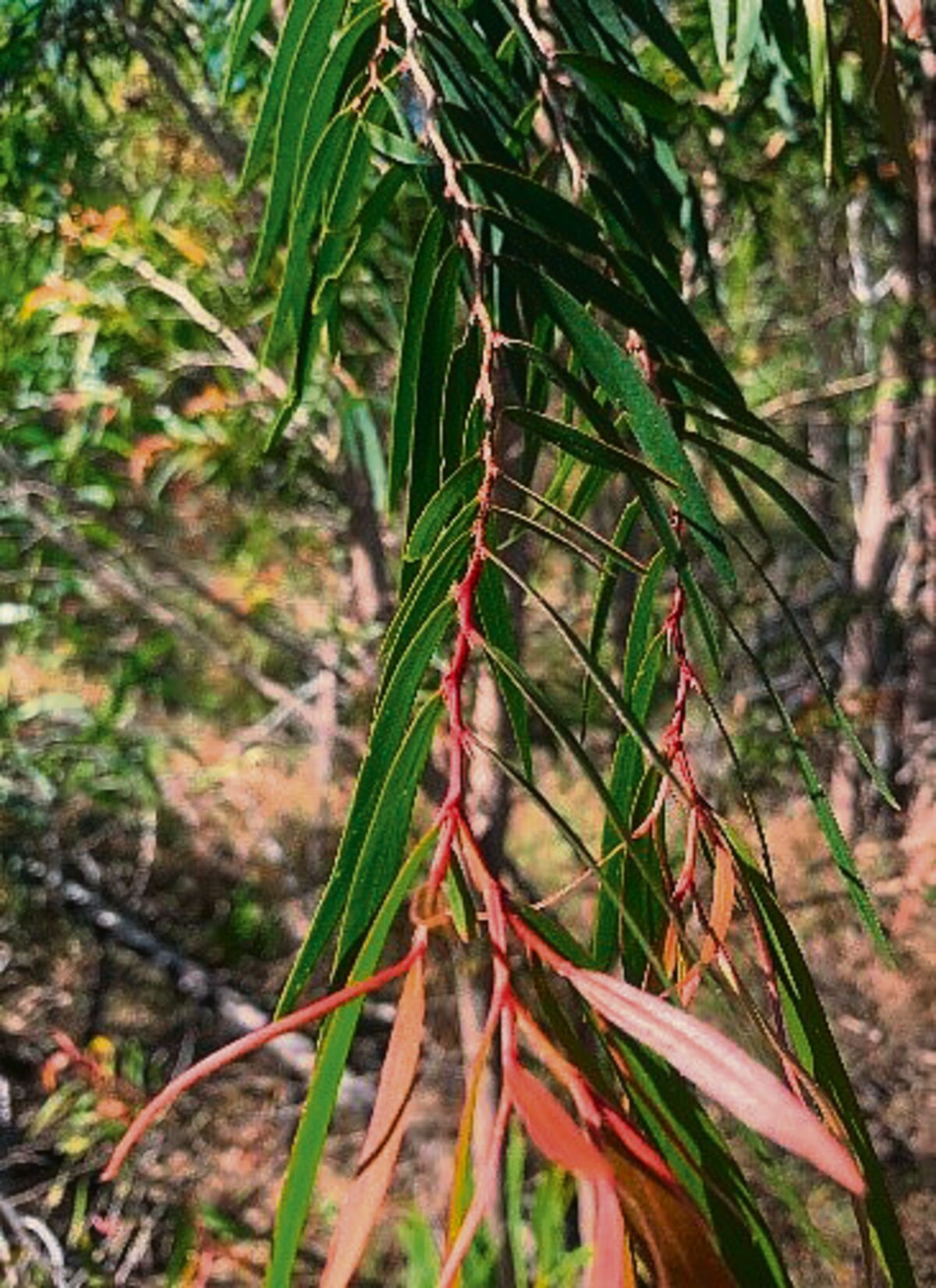
A tree planted for its beauty and resilience is emerging as an unexpected ecological concern in the Eastern Cape.
Agonis flexuosa, commonly known as the peppermint tree, has long been admired for its weeping branches and distinctive minty scent. Environmental specialists are raising the alarm as this popular ornamental species shows increasing signs of becoming invasive.
Native to Western Australia, the peppermint tree was introduced to South Africa largely for landscaping in coastal towns. Its ability to withstand strong winds, sandy soils and harsh coastal conditions made it a favourite among gardeners and municipalities. However, recent reports suggest the species is spreading beyond planted areas and establishing itself in natural habitats.
Which factors contribute to the invasiveness of Agonis flexuosa in South Africa?
Recent observations and ecological assessments indicate that Agonis flexuosa can outcompete indigenous vegetation under favourable conditions. The concern arises as A. flexuosa produces large numbers of tiny, lightweight seeds that disperse easily by wind and water. These seeds germinate rapidly, especially in disturbed environments such as road verges, riverbanks and vacant plots. Once established, the trees create dense shade that suppresses indigenous plant growth, altering the structure of local ecosystems.
There are also concerns about the species’ potential impact on already strained water systems. As the Eastern Cape experiences increasingly warm and dry conditions, hardy non-native species like the peppermint tree may gain a competitive advantage over native vegetation.
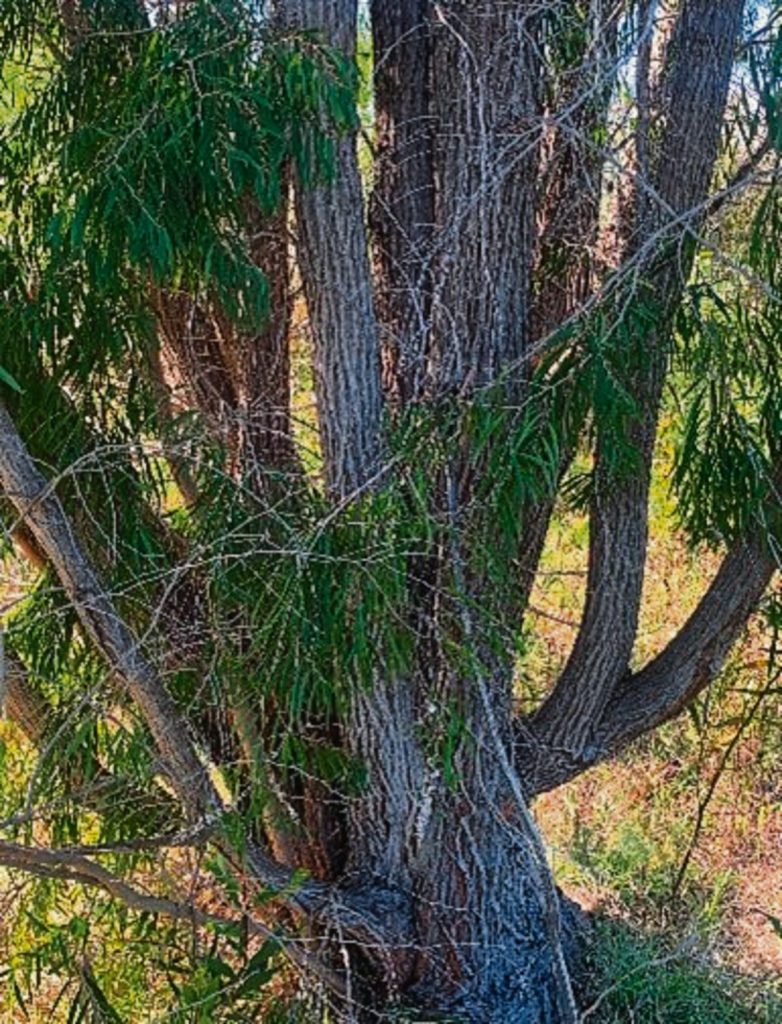
Although the species is not yet classified among South Africa’s major invasive trees, experts caution that this early stage is the critical window for action. “The warning signs are here,” conservationists say. “If we intervene now, we can prevent another large-scale invasion like what we’ve seen with other Australian species.”
The case of Agonis flexuosa in the Eastern Cape is a reminder that even well-intentioned ornamental plantings can have long-term ecological consequences. By acting early, communities can protect our natural biodiversity and prevent another large-scale invasion like those caused by other Australian introductions in the past.
Residents and landowners are encouraged to report peppermint tree sightings in natural areas and authorities are also monitoring sites where the tree currently appears to be naturalising.
Should you see any Agonis flexuosa plants, simply report on one of the following platforms: Download either the iNaturalist (A Community for Naturalists · iNaturalist), upload digital photos, date and locality of your observation. Alternatively, contact Menzi M. Nxumalo in the East London regional office, 043 726 7492 or WhatsApp any information on 078 188 7844. Email: m.nxumalo@sanbi.org.za or invasivespecies@sanbi.org.za.
– ISSUED BY SANBI EASTERN CAPE





You must be logged in to post a comment.