
AS the only city in the world that is home to five biomes, Nelson Mandela Bay is one of the globe’s most biodiverse cities.
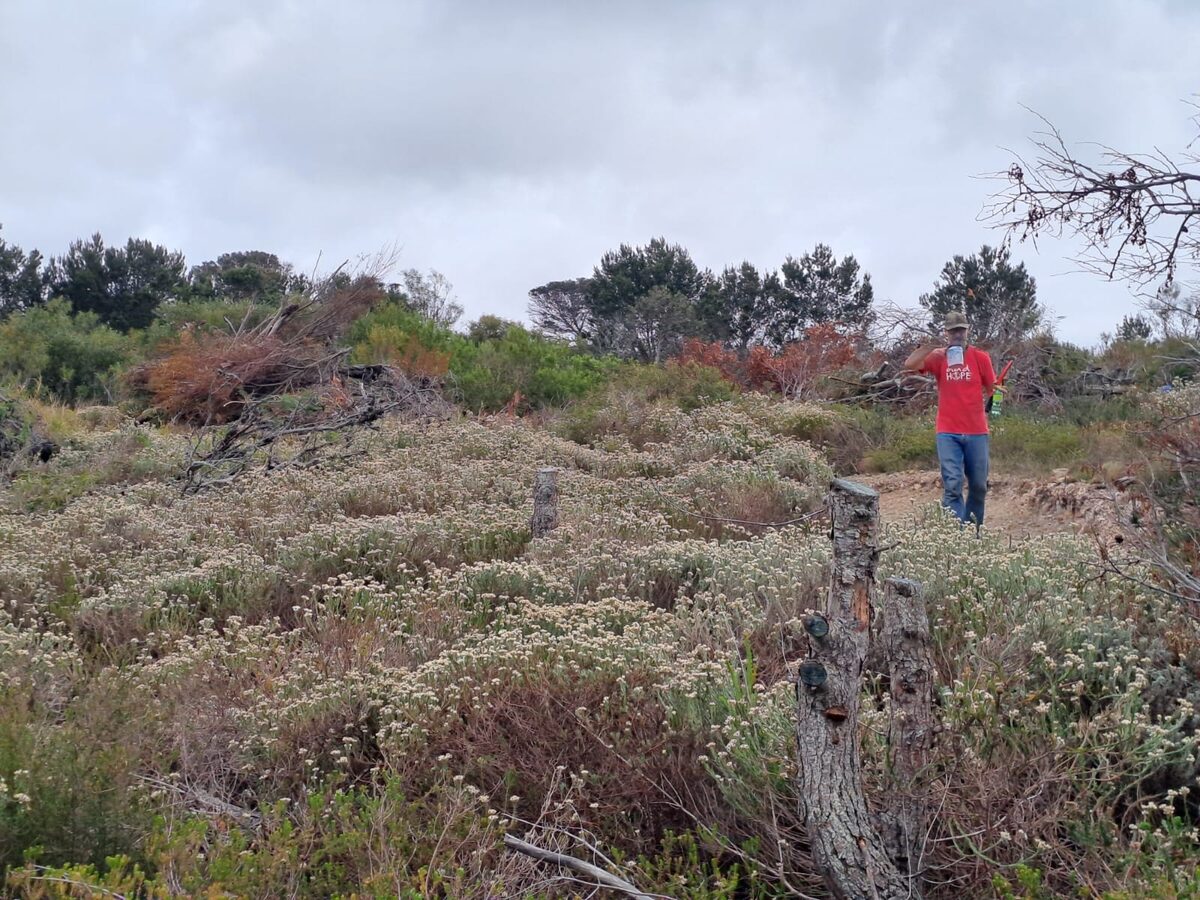
A large proportion of South Africa’s celebrated biodiversity is concentrated here, around Algoa Bay with its varied terrestrial, aquatic and marine ecosystems within this meeting point of thicket, fynbos, forest, nama-karoo and grassland biomes.
But what does that mean for us?
In a city anchored by manufacturing, with two commercial ports, one might expect a concrete jungle with high levels of traffic congestion and air pollution.
What many visitors don’t expect to find is nine nature reserves, 40km of golden beaches, river mouths, the world’s second largest coastal dune field, some of the largest bottlenose dolphin pods in the world, and the only national park in the world where you can see the Big 7.
The Bay’s natural assets add greatly to our quality of life.
They give us a wealth of opportunities to get close to nature, whether for relaxation and leisure, or for more active exercise, sport and adventure activities on land or in water.
Research has shown that the closer people live to green spaces, the lower their risk of stress, with its negative impacts on mental and physical health.
Our biodiversity, along with diversity in heritage and cultures, are a vital asset to tourism – people want authentic experiences, unspoilt natural environments, they are fascinated by biodiversity, they want to see conservation and sustainability in action.
The abundance of the natural environment and all the leisure opportunities it presents are also a factor in attracting investors, because it enhances their “lifestyle” value proposition in attracting and retaining top talent.
In harnessing the potential of our five-biome environment, striking a balance between conservation imperatives and social and economic development opportunities is crucial.
Conservation itself creates economic opportunities and job creation around tourism, leisure, sport and hospitality, as well as circular economic activity linked to conservation activities, such as cleared alien vegetation as input to manufacturing of biomass-based fuel and animal feeds.
These are just some of the opportunities being explored in the work of the NMB climate-smart city initiative supported by the Presidential Climate Commission, and the Business Chamber’s Local Economy Reinvention Think Tank which is look at diverse green manufacturing proposals, innovative agri-processing and the green hydrogen value chain.
Efforts to tackle the basics need to be ramped up – clearing alien vegetation, cleaning stormwater drains, clearing litter from rivers and beaches and ensuring safety of public spaces – so that we can become both a climate-smart and climate-resilient metro.
In the meantime, let’s pause occasionally and just appreciate what we do have in our natural surroundings – explore, experience and enjoy our biodiverse environment, protect it for the future, and start turning ideas into reality.
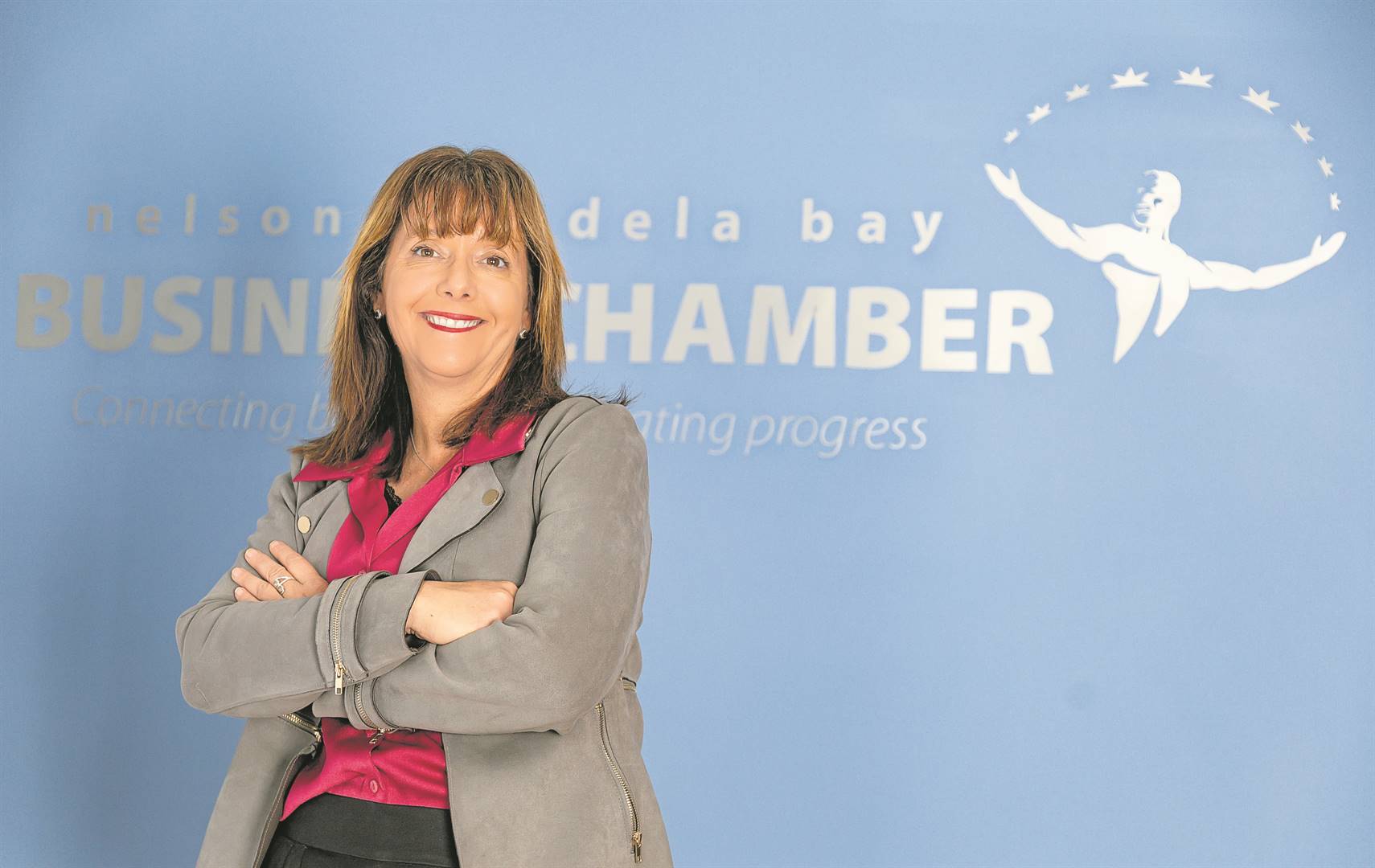
Denise van Huyssteen is Chief Executive Officer of the Nelson Mandela Bay Business Chamber.