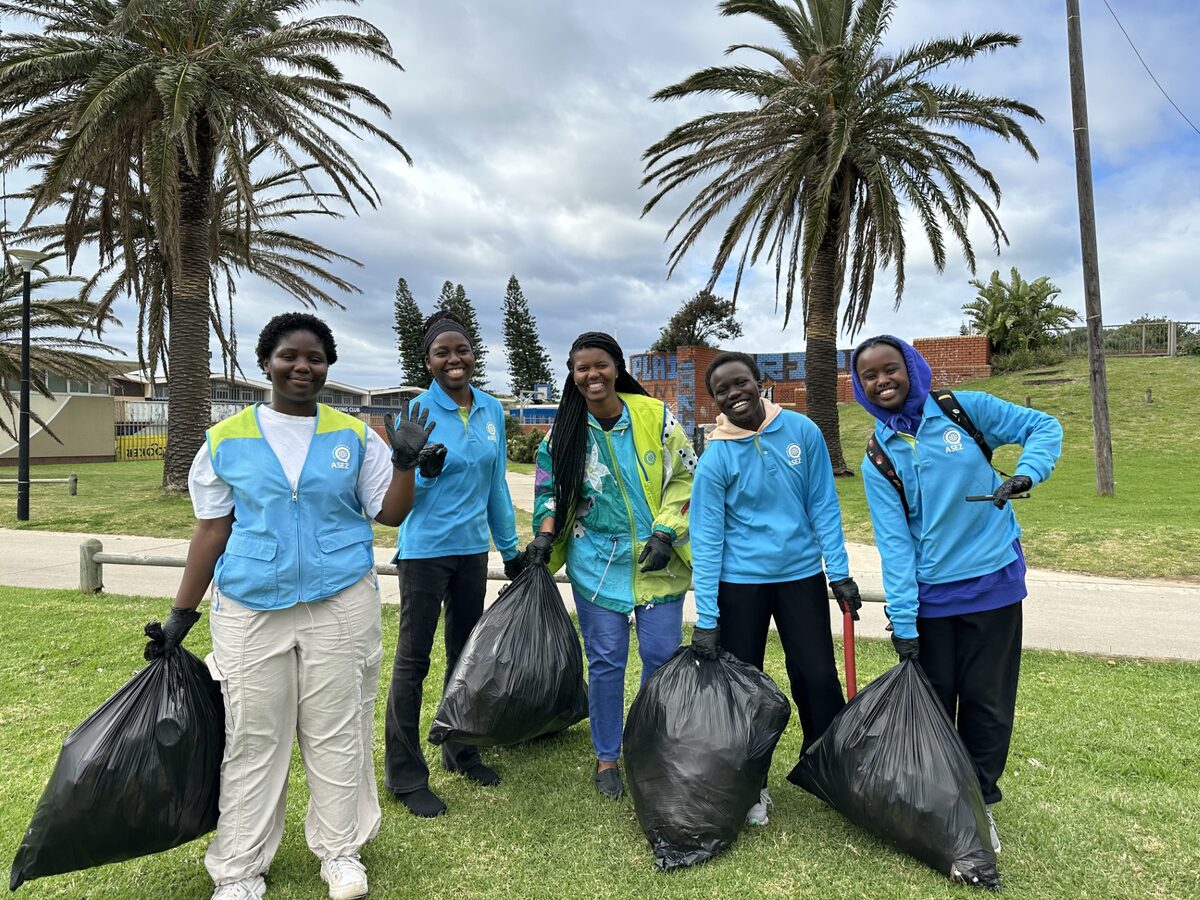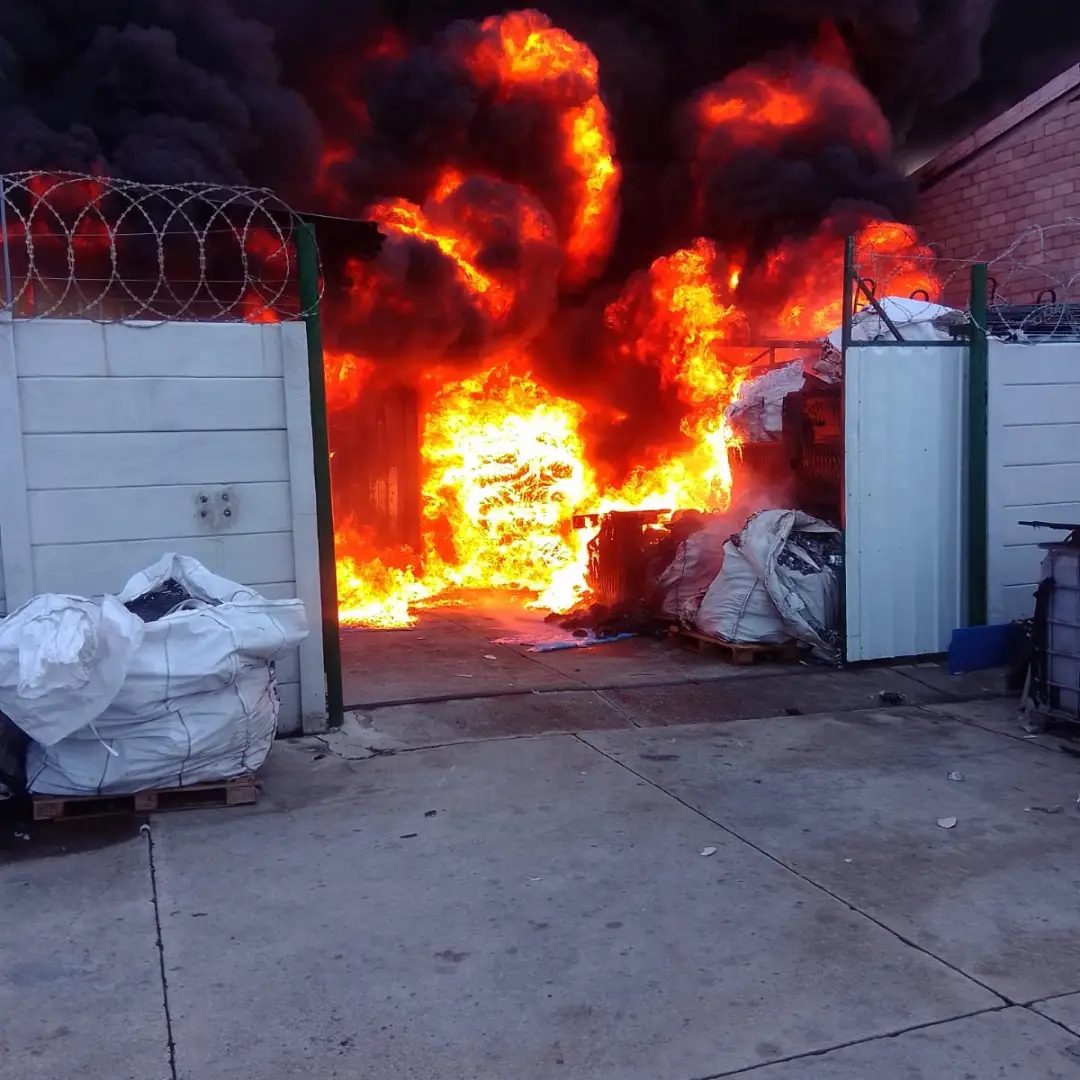


Plastic – we all use it, and we all need it, but just how much of it do we actually need? And how do we manage and use it responsibly to ensure as little waste and litter as possible?
These are just a few of the questions Sustainable Seas Trust (SST) is addressing in its newly launched guidebook for plastic management in Africa.
Titled, Plastic-Free Seas: An Action-Focused Guide for Plastic Management in Africa, the digital guidebook is a comprehensive resource designed to support and equip fellow African nations, cities, and small island developing states to draw up clear action plans to reduce waste and litter, achieve sustainable development goals, and meet commitments to the UN Global Plastics Treaty.
“Africa consumes less plastic per capita than the rest of the world and yet Africa is the second-most polluted continent in the world,’ said Janine Osborne, CEO at SST.
“A rapidly increasing population, coupled with poor product design, limited collection and recycling infrastructure, and a lack of education on and awareness of complex plastic issues, has resulted in a continent-wide plastic waste crisis.”
Osborne added, “Addressing Africa’s growing plastic waste problem, while simultaneously unlocking the socio-economic benefits of sustainable waste management, requires an urgent and comprehensive systems response by governments, businesses, and civil society.”

The Global Plastics Treaty presents a significant opportunity for countries to address the accelerating challenge of plastic waste, but the obligations could prove burdensome for developing African states.
Signatories must draw up detailed action plans that outline how they will tackle plastic waste, set future targets, and monitor progress.
Thus, SST has developed the Plastic-Free Seas guidebook as an Africa-appropriate response to the UN Global Plastics Treaty, clarifying exactly what actions must be taken at every step of the plastic value chain and addressing how cross-cutting issues – such as education, behaviour change, and fiscal incentives – need to be considered.
“The guidebook recognises that not all African countries are the same. For example, investing in recycling plants may not make economic sense for some island states or smaller countries. Therefore, regional collaborations are highlighted as a necessary tactic to turn the tide on waste,” Osborne explained.
“As the major output from our second international conference in 2022, ‘Towards Zero Plastics to the Seas of Africa’, where 211 delegates from 23 countries gathered together to draft the first version of the guidebook, it is indeed a guidebook by Africans for Africa.”
The guidebook serves as a lucid and digestible complement to SST’s more technical African Resource Book Series: A Guide to Plastics, which is aimed at industry professionals wanting detailed information on the properties and applications of plastics, the sources, pathways, and drivers of plastic pollution, and the policies that already exist in Africa to manage the impacts of poor plastic and waste management.
The guidebook was written and compiled by well-known science writer, Leonie Joubert, in close partnership with SST.
The Cape Town-based author, who recently received the 2024 Covering Climate Now Journalism Award in the Extreme Weather and its Impact category, is no stranger to tough environmental topics and has written widely on pollution during her 20 years as a writer, author and public speaker.
“Despite working in sustainability for 20 years, I realised how urgently we need to respond to the escalating threat,” shared Joubert.
Her advice to those wanting to make a difference in systemic global problems, such as plastic pollution, is: “As the historian and thinker, Yuval Noah Harari, says, the biggest single thing an individual can do is to join or start a movement. Organisations [like SST] have the momentum, the networks and the know-how to influence policy, and they know what needs to change. Partnering with them is a quick, easy way to make a huge difference.”
Osborne concluded, “The only way we will be able to solve these types of systems-wide problems is through people rallying together with a clear understanding of what actions need to be taken. The former involves decision-makers who can practically implement solutions; researchers who are critical to providing evidence-based solutions and civil society groups who are at the coalface of addressing these issues in communities. The latter is provided by the Guidebook.”
The Plastic-Free Seas guidebook is available for download at www.sst.org.za.
On Friday, November 22, Osborne jetted off to Busan, Korea, for the fifth session of the Intergovernmental Committee (INC-5) that started on Monday, November 25, to finalise the Global Plastics Treaty.
She will be launching the guidebook and the African Resource Book Series to the global community.