PAARL – Plans to establish the Paarl Africa Underground Laboratory (Paul) which will be Africa’s first underground laboratory to study dark matter near the Huguenot Tunnel outside Paarl remain in their early stages, with no confirmed start date for construction as key approvals and related infrastructure projects are still pending.
According to Lwando Mahlasela, media relations manager for the South African National Roads Agency Limited (Sanral), the project has not yet reached the formal application phase required for approval.
“The Paul consortium has met with Sanral and discussed their basic ideas, but it has not progressed to the point where a formal application, containing the necessary technical detail, was submitted to Sanral for consideration and approval,” Mahlasela said.
The proposed project is being driven by a consortium led by Stellenbosch University (SU), and Sanral has emphasised that it plays no active role in developing the facility itself.
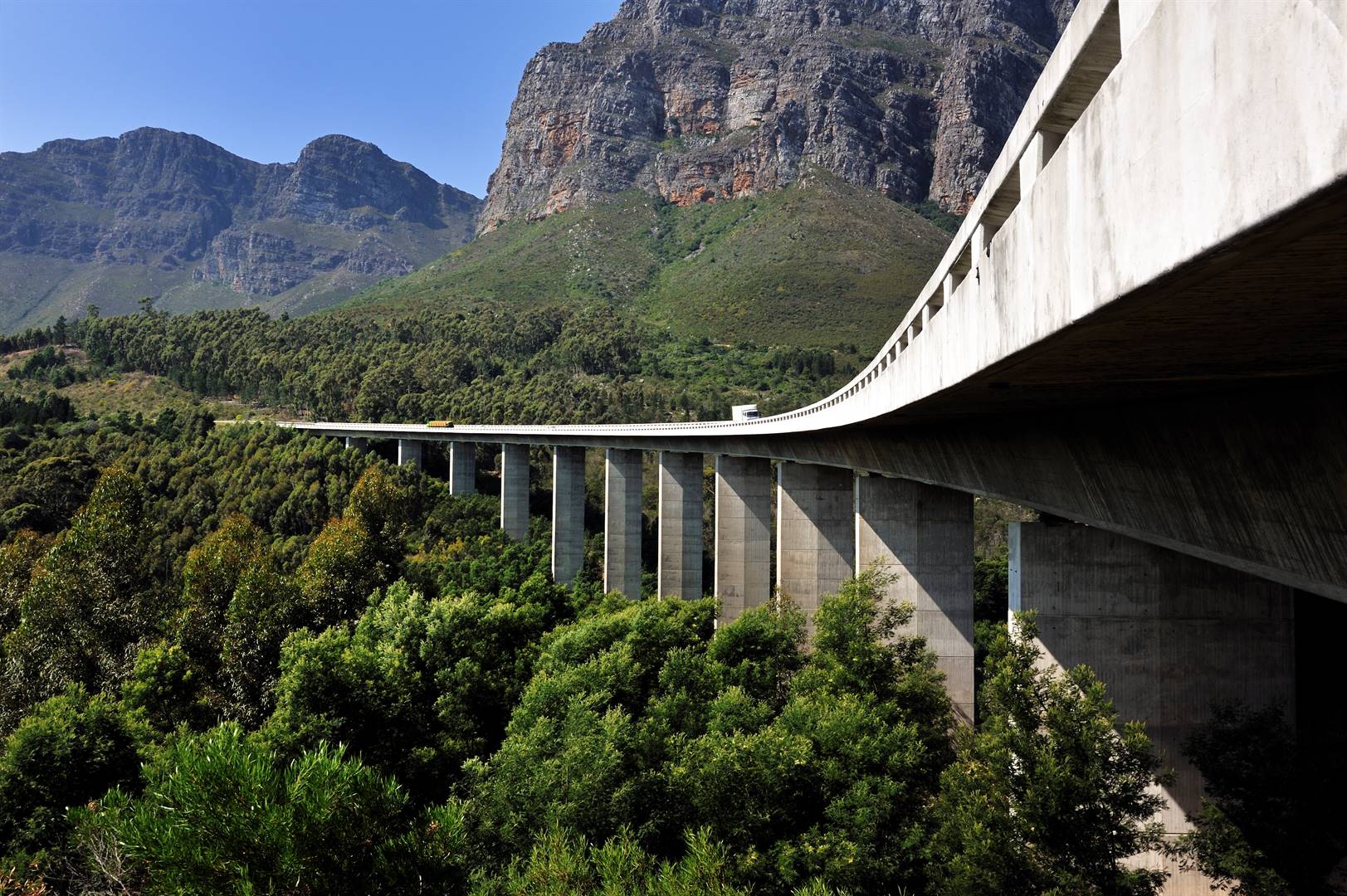
“Sanral is the national road authority and has jurisdiction over the Huguenot Tunnel. As such [the road agency] is to provide permission to the Paul consortium to establish the laboratory if it is to get access from the national road or if access is required from the national road for construction purposes,” Mahlasela explained.
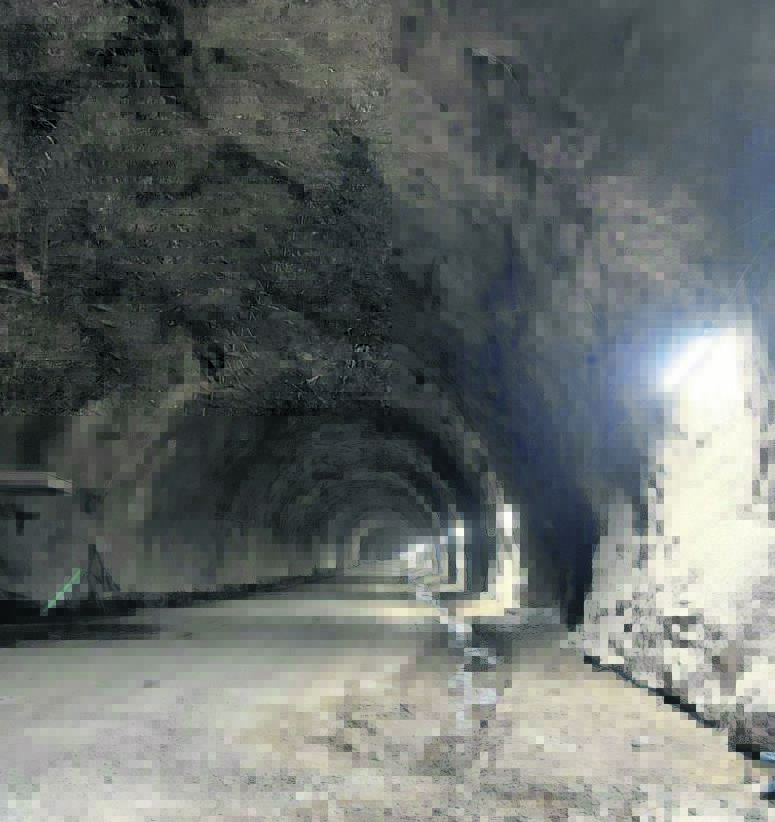
Any potential risks would need to be carefully assessed due to the tunnel’s status as a controlled traffic environment.
“From a traffic safety point of view the tunnel is a controlled environment and all potential risks need to be carefully considered,” he said.
Crucially, the timeline for the laboratory is also tied to planned upgrades to the Huguenot Tunnel, which remain uncertain.
Although tenders have been issued for the upgrade of the North Bore tunnel, Mahlasela confirmed that the contract has not yet been awarded, meaning the commencement date for those works, and by extension the laboratory, is not yet known.
“The commencement date will be affected by the planned construction work pertaining to the upgrade of the tunnel [and that] award has not been made. Therefore, the commencement date of the planned upgrade work is at present not known,” he said.
READ: Dark-matter lab planned for 2027 at Hugenot Tunnel
Earlier plans for the facility which Paarl Post reported on in February 2024, envisaged a cutting-edge underground research site built adjacent to the tunnel.
The facility would serve both professional researchers and postgraduate students from South Africa and abroad, forming part of a broader international collaboration involving institutions such as the SU, the University of the Western Cape, the University of Cape Town and potentially the Cape Peninsula University of Technology, alongside partners in France and Italy.
There are about 12 underground laboratories in the world and, other than the Australian facility, the rest are in the Northern Hemisphere, Paarl Post previously reported.
Not much is yet understood by scientists about dark matter, but it seems to be a prevalent phenomenon that makes up 85% of the universe mass.
“It is only in these underground laboratories, with a thick layer of rock shielding sensitive detection equipment from unwanted background signals produced by cosmic ray showers, that scientists can differentiate the interaction of these rare particles from the noise above.”
“The physics community in South Africa has been investigating the establishment of such a laboratory since 2011, first considering options in South Africa’s very deep gold mines.”
“Back in 1965 the South African physicist Friedel Sellschop and the Nobel Prizewinner-to-be Frederick Reines made the world’s first observation of a naturally occurring neutrino particle in an East Rand mine 3 km below the surface.”
The newspaper reached out to the SU, who directed all media enquries to Sanral and the Department of Science, Technology and Innovation (DSTI). The DSTI however, did not respond to the request for comment.