

EASTERN CAPE – You can leave for Addo hoping to see elephants. You can study the map, mark the waterholes, plan the route and picture the photograph you want to take. But the elephants have no interest in your itinerary and they certainly will not follow it.
Rain is often the reason why. After a heavy fall, Addo can feel like an entirely different reserve. Water pools where the ground was dry the day before, the vegetation thickens, and the animals suddenly have far more choice about where to move and drink.
Sightings that seemed almost guaranteed the previous week can become considerably harder to predict.
That is when the value of someone who knows the park becomes clear.
A good guide never promises an encounter that nobody can guarantee. What they can do is explain how the weather has changed things, reset expectations for the day and help guests notice the surrounding landscape more closely.
On one outing, we had set out hoping to find elephants. A few days of rain had left us with no guarantees of finding them in the Addo thickets.
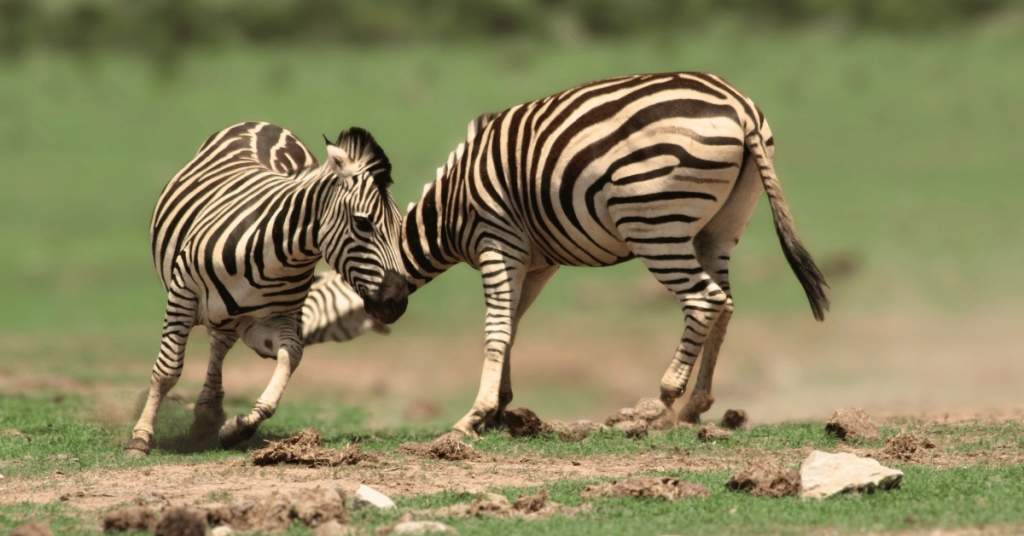
Instead of finding the herds we had hoped to see at the waterholes, we were treated to an entirely different spectacle: a bachelor group of young zebra stallions circling, biting, kicking and shoving one another as they tested their strength and established their hierarchy.
Why a local guide matters
It was not the sighting anyone had expected that morning, but it provided the opportunity for some dramatic wildlife photographs.
Then, further along the road, something far smaller caught my eye.
A dung beetle was making its way across the track. It would have been easy to drive straight past it, and to most people, it might have looked like nothing more than an ordinary beetle.
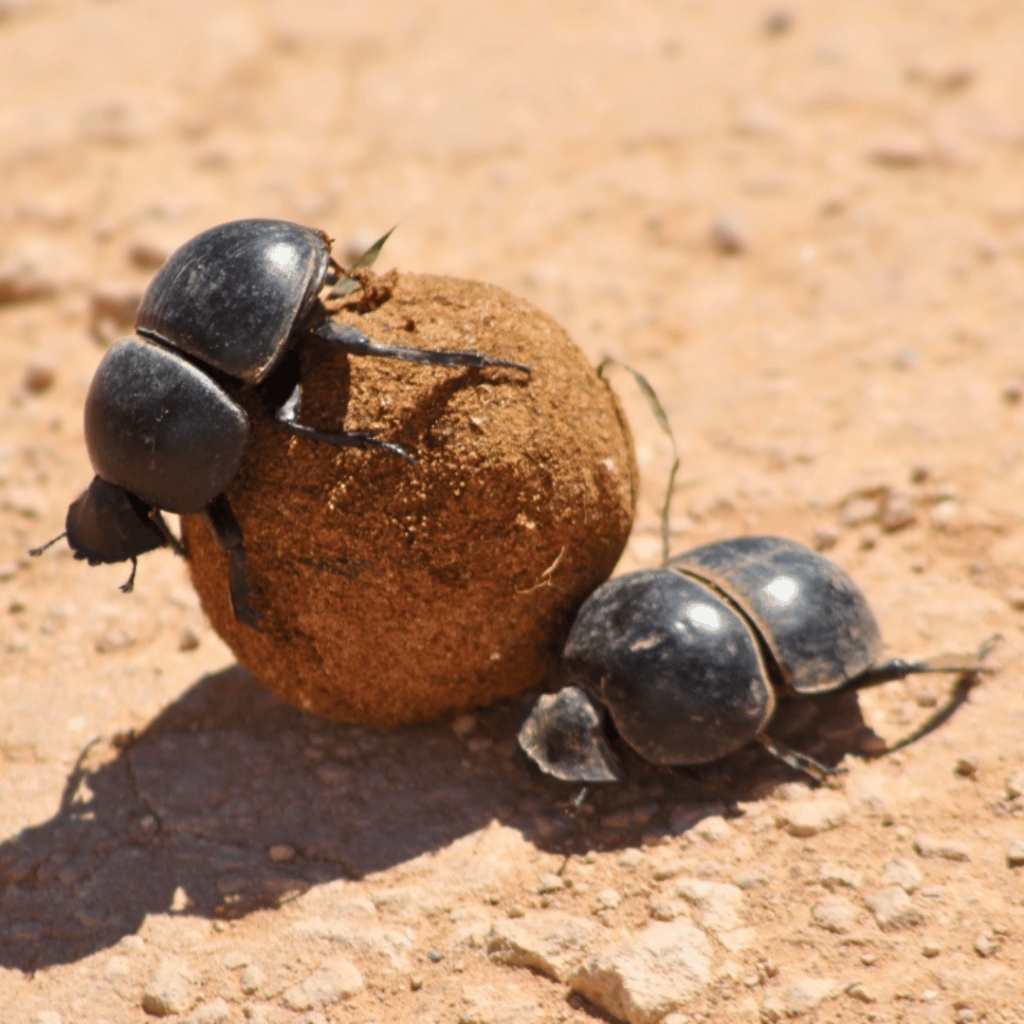
But this was the Addo flightless dung beetle, a rare and vulnerable species found only in scattered pockets of the Eastern and Western Cape, with its largest and most secure population living right here in the park.
“We stopped, not because it was the biggest animal of the day, but because knowing what you are looking at changes the experience entirely.”
That is one of the real privileges of guiding. I cannot make the wildlife appear.
What I can do is help guests recognise what is happening when it does: why the rain has reshaped the day, which bird is calling from the thicket, how the zebra stallions are behaving, or why a small beetle deserves attention before it is missed underfoot.
Discovering the smaller side of Addo wildlife
Guiding, done well, is less about finding one particular animal and more about helping guests discover whatever the landscape happens to be offering that day.
And that lesson does not stay behind in Addo. Storms River offers a very different kind of encounter.
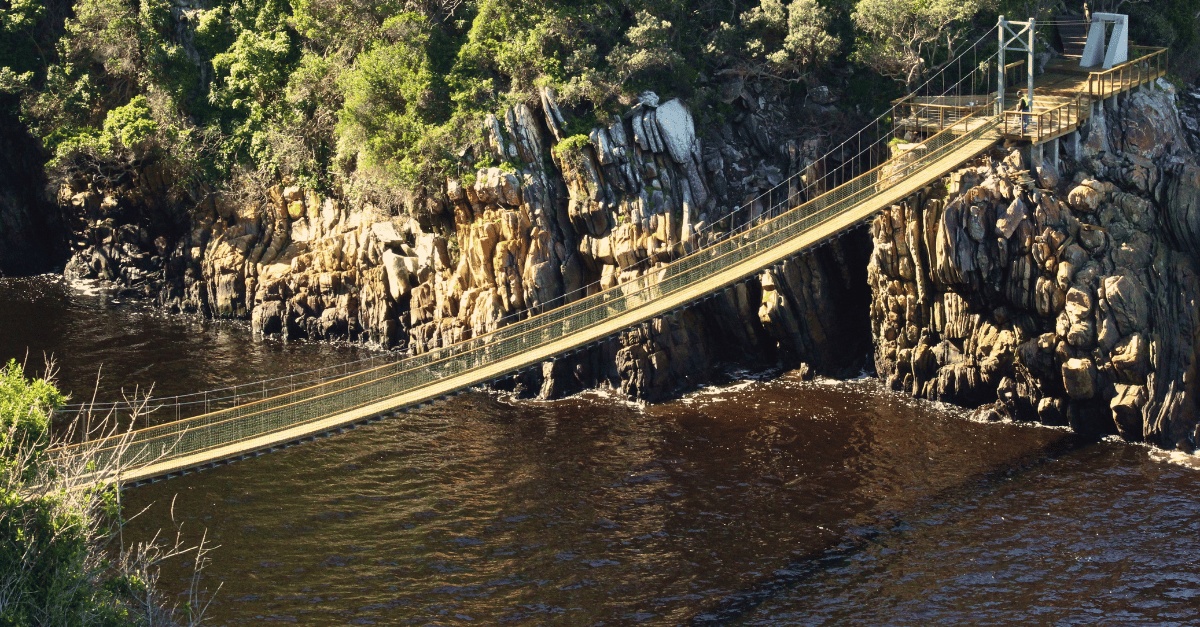
The suspension bridge is one of the Garden Route’s genuine icons and it earns that reputation. In a photograph, the experience can look deceptively simple: step out of the vehicle, take a few shots and move on to the next stop. In reality, it is not that simple.
Reaching the bridge means walking the Storms River Mouth Trail through Tsitsikamma National Park, along raised boardwalks and up and down a good many steep steps.
It is a beautiful walk, but it asks something of you. Mobility, fitness (you do not need to be an experienced hiker, but you should be comfortable with regular walks), the weather, the time available and the pace of the group all come into play.
Exploring Storms River and Tsitsikamma
A guide who explains these considerations before the walk begins can turn a potential surprise into a well-managed, enjoyable outing.
There is something else a guide offers, too: the chance to slow down.
A dassie may be basking on the rocks. The forest floor may hold plants connected to centuries of human history.
The river’s dark, tea-like colour starts to make sense once you understand how tannins leaching from the surrounding vegetation stain the water. Near the cave, a beautiful pseudo-fossil rewards a closer look.
These are details that are easy to miss when the goal is simply to reach the bridge, take the photograph and move on. Yet they are often what turns a walk into something worth remembering.
In Addo, the animals rewrote the plan. At Storms River, the landscape itself asks you to look beyond the obvious.
Neither experience can be forced into a tidy itinerary. Weather changes. Wildlife disappears back into the bush. A trail takes longer than expected. Something tiny crosses the road and deserves five minutes of your attention.
Seeing more than the suspension bridge
None of this is within a guide’s control. What is within their control is helping you respond to it: choosing to watch zebra stallions test each other instead of scanning the horizon for elephants, stopping for a dung beetle that most people would never have noticed, or standing beneath the forest canopy at Storms River and understanding exactly why the river below is that particular shade of amber.
Those moments may not be the reason you booked the trip. They may well become the reason you remember it.
“The real value of good guiding was never simply knowing where to go. It is knowing when to slow down, what to point out, and how to help a place tell its own story.”
You might arrive in Addo hoping for elephants and leave talking about two zebras and a dung beetle. You might arrive at Storms River expecting a photograph and leave remembering the forest, the river, the steps and everything in between.
That is what a guide can change: not the destination itself, but the way you experience it.
ALSO READ: ‘I’ve met so many people from different countries’: A look inside the life of a tour guide


You must be logged in to post a comment.