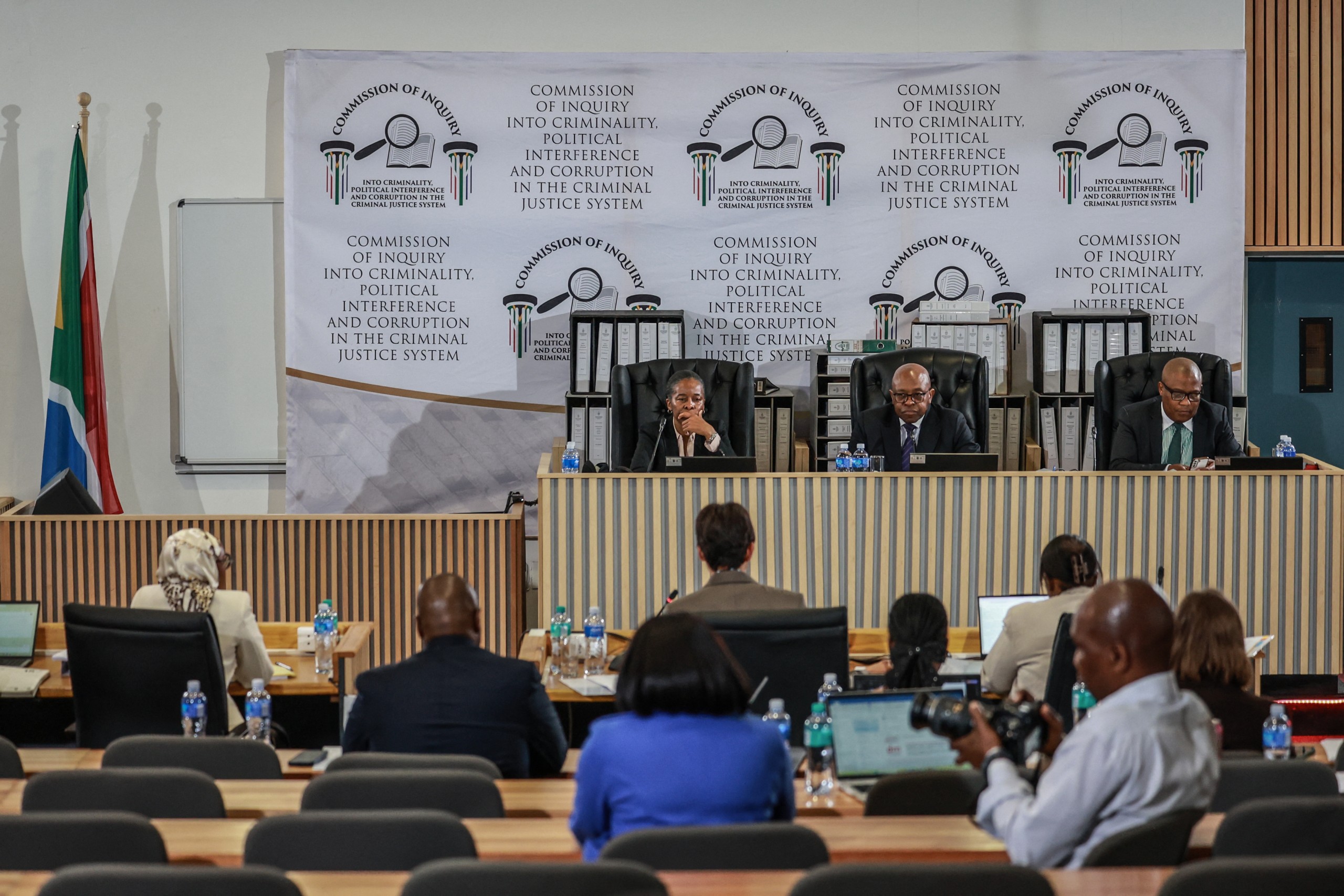
JOHANNESBURG – It was precisely one year ago, on 17 September 2025, that proceedings of the Madlanga Commission of Inquiry into criminality, political interference and corruption in the criminal justice system commenced.
The commission, chaired by Justice Mbuyiseli Madlanga, was initially scheduled to begin public hearings on 1 September 2025. It was delayed by procurement challenges within the Department of Justice and Constitutional Development. The department’s Director-General, Advocate Doc Mashabane, and Deputy Director-General for ICT, Jabu Hlatshwayo, were placed on immediate suspension pending investigation into the administrative and procurement failures that caused the delay.
The first witness was the man whose explosive allegations had brought the commission into being: KwaZulu-Natal Provincial Police Commissioner, Lieutenant General Nhlanhla Mkhwanazi.
In the 12 months since, the Madlanga Commission of Inquiry has held 174 days of hearings and heard testimony from 110 witnesses. It has triggered dozens of arrests, toppled senior police officials and laid bare allegations of extrajudicial killings, missing narcotics, and tender corruption.
How it all began
Mkhwanazi held a media briefing in July 2025 in which he alleged widespread infiltration of the criminal justice system by organised crime syndicates. He accused Police Minister Senzo Mchunu of political interference, specifically alleging that the minister had ordered the disbandment of the Political Killings Task Team to protect criminal interests.
Mkhwanazi further alleged that a sophisticated syndicate, controlled by a drug cartel, involved high-ranking politicians, police officials, prosecutors, members of the judiciary and business people.
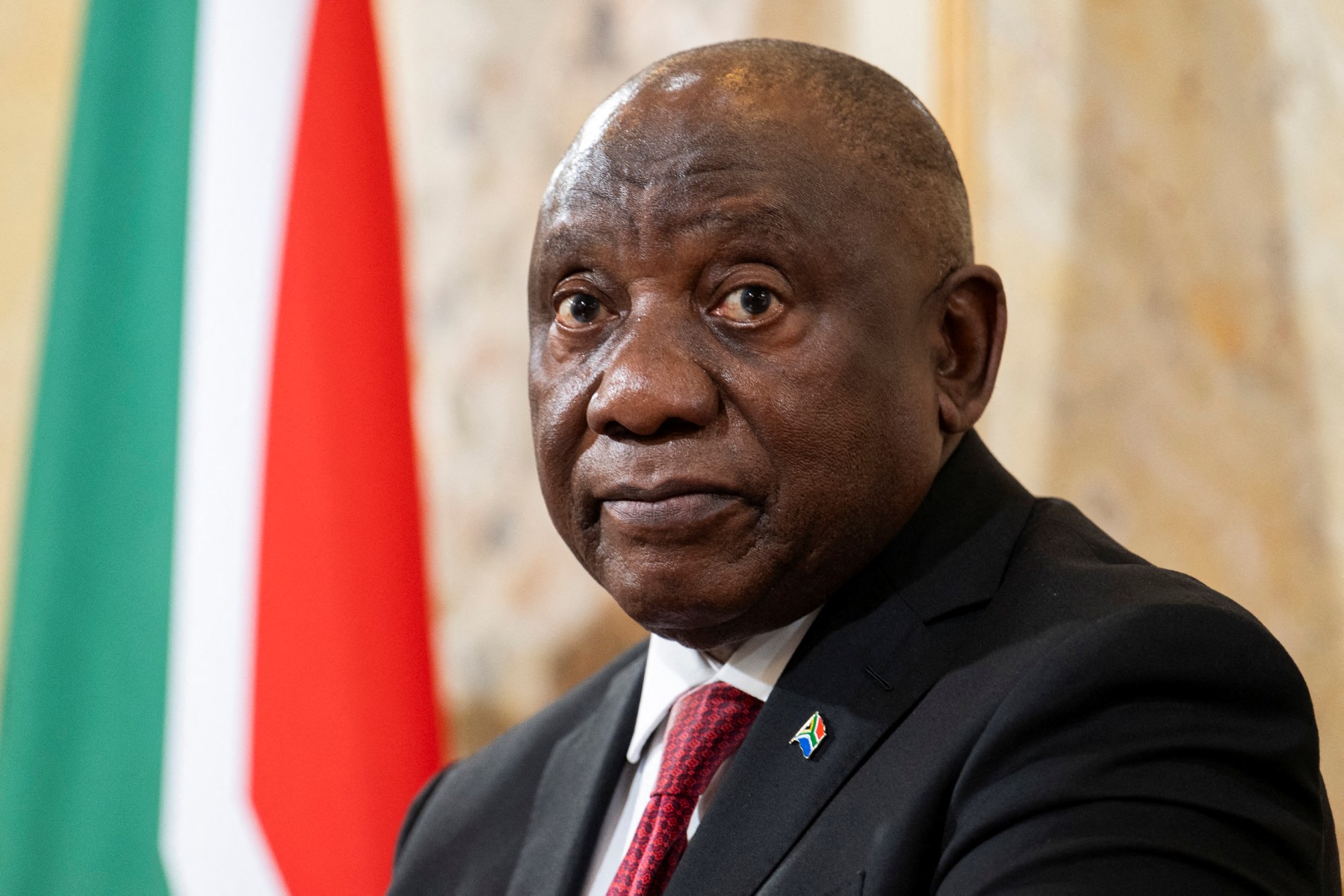
President Cyril Ramaphosa responded by establishing the commission. Justice Madlanga was appointed as chairperson, with Advocate Sesi Baloyi SC and Advocate Sandile Khumalo SC serving as commissioners.
The major revelations
- IPID’s Len Barnabas John revealed that the watchdog had examined deaths that occurred during SAPS task-team operations in KwaZulu-Natal between April 2023 and 31 May 2026. The commission focused on 77 cases where evidence did not consistently support police claims that officers had returned fire.
- The commission has investigated two major, separate disappearances of seized cocaine from police custody. Approximately 541kg of cocaine, valued at about R200 million, was stolen from a poorly secured Hawks storage facility in Port Shepstone following a June 2021 drug bust. In a separate case involving a July 2021 seizure of roughly 715kg of cocaine in Aeroton, Gauteng, it was discovered in February 2025 that 136.46kg — valued at approximately R55 million — had gone missing while stored at a Forensic Science Laboratory.
- The R360 million SAPS Medicare24 tender has emerged as one of the commission’s most significant lines of inquiry. The contract, awarded in June 2024 to Medicare24 Tshwane District — a franchise linked to businessman Vusimuzi ‘Cat’ Matlala — was intended to provide health and wellness services to police members. The contract was cancelled in May 2025 after internal audits flagged the procurement process as irregular; by that time, approximately R228 million had already been paid out.
Arrests and prosecutions
A dedicated ‘Madlanga Task Team’ was established to pursue investigations arising from the commission’s disclosures.
The IDAC arrested 12 senior SAPS officers implicated in the Medicare24 tender’s awarding process. By June 2026, five additional senior police officers were arrested, bringing the total number of police officials charged to over 25.
Matipandile Sotheni, a former member of the Special Task Force, was arrested in March and charged with the premeditated murder of whistleblower Marius van der Merwe (identified as “Witness D”), along with attempted murder and firearms-related charges.
Brigadier Julius Mkhwanazi (suspended deputy chief, EMPD) and Kagiso Lerutla (City Manager, Ekurhuleni) were both arrested in April, on charges related to impersonation and court process interference.
Fannie Ezekiel Nkosi, a member of the Gauteng Organised Crime Unit, was arrested and charged as part of the commission’s related fallout.
Cat Matlala entered a plea-and-sentence agreement with the state in June, agreeing to testify as a section 204 witness in exchange for a suspended sentence. In July, he withdrew from the plea agreement after the court rejected the proposed sentence as too lenient. His criminal trial commenced on 11 September.
Key witnesses to date
The 110 witnesses who have appeared before the commission include 36 SAPS officers, 25 Hawks officers, various metro police officers and City of Ekurhuleni staff, City of Tshwane staff, two Gauteng Traffic Department officers, IDAC and NPA officials, five IPID officials, two Members of Parliament, a Cabinet Minister, several private individuals, and three institutional reform experts.
ALSO READ: One year later: How the Madlanga Commission ripped through the justice system
Among the most prominent witnesses:
- Lieutenant General Nhlanhla Mkhwanazi, the KwaZulu-Natal Provincial Police Commissioner.
- General Fannie Masemola, the National Commissioner of SAPS.
- Major General Lesetja Senona, the former KwaZulu-Natal Provincial Hawks head.
- Len Barnabas John, IPID’s provincial investigations chief.
- Vusimuzi ‘Cat’ Matlala, the businessman at the centre of the Medicare24 tender scandal.
- Lieutenant-Colonel Deenadayalan Govender, Head of the Hawks’ KZN provincial tracing team.
- Lieutenant General Godfrey Lebeya, the head of the Hawks.
- Dr Mark Shaw, an expert witness assisting the commission with institutional reform recommendations.
What lies ahead
After a brief recess from 3 to 11 September, the Madlanga Commission resumed hearings on 15 September. Public evidence is scheduled to conclude on 2 October, after which the focus is expected to shift to the Johannesburg Metro Police Department (JMPD).
Originally due to conclude on 31 July 2026, with a final report due on 31 August 2026, President Ramaphosa extended the deadline and the final report is now scheduled for submission on 16 November 2026.