

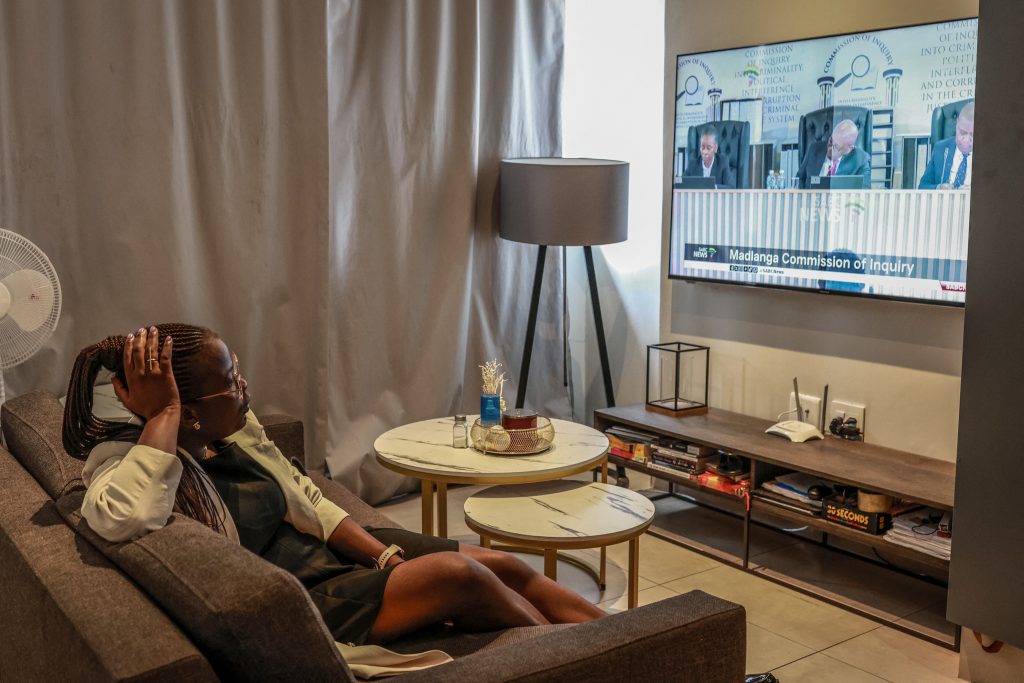
JOHANNESBURG – Mulumbwa Luchen (32) settles in front of her television at 09:30 most mornings to watch an unlikely hit show: South Africa’s judicial inquiry into corruption and crime.
When the media studies lecturer leaves home, she switches to her phone or laptop to follow the live proceedings.
“I am obsessed with the commission,” Luchen told AFP, describing it as her “current addiction”.
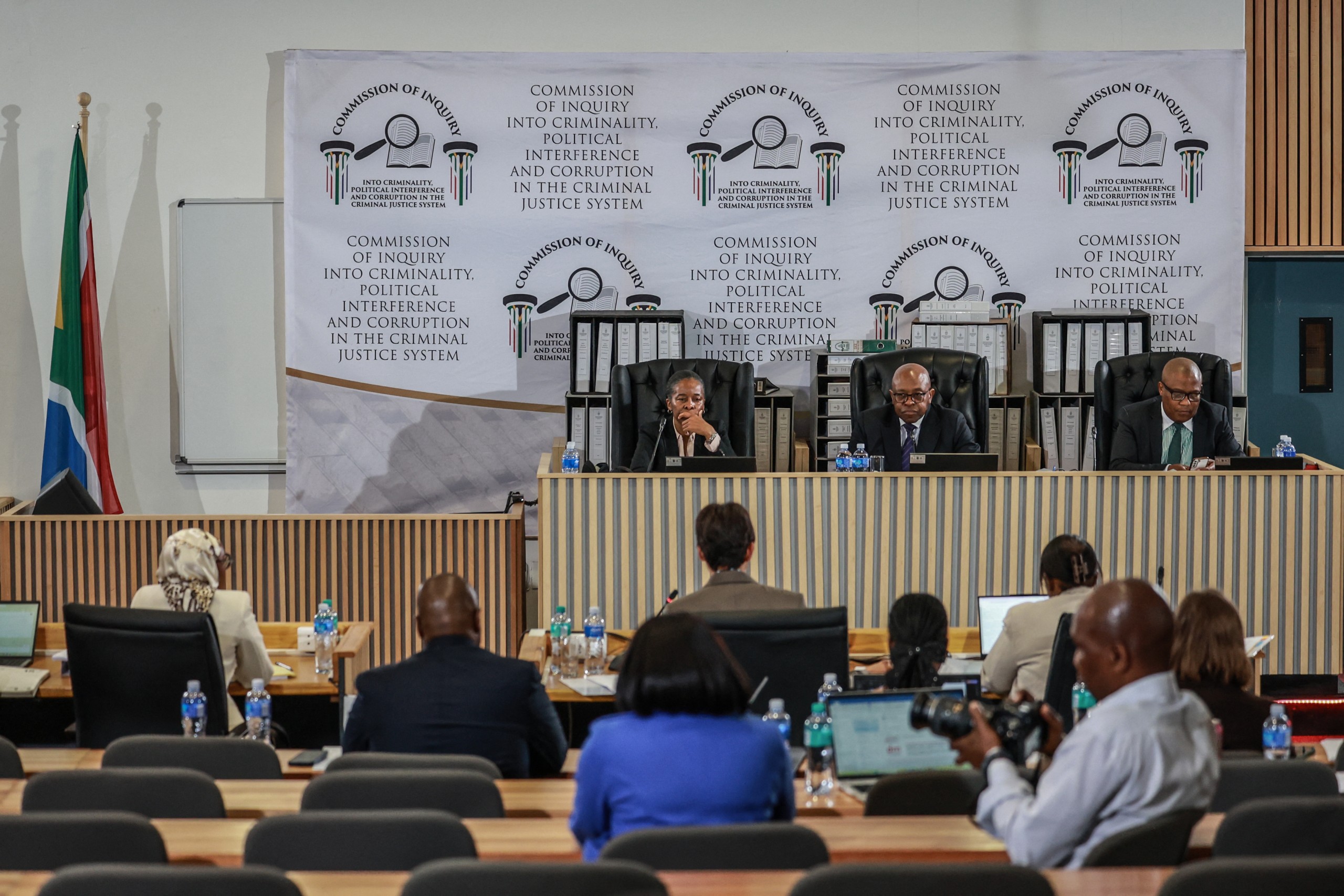
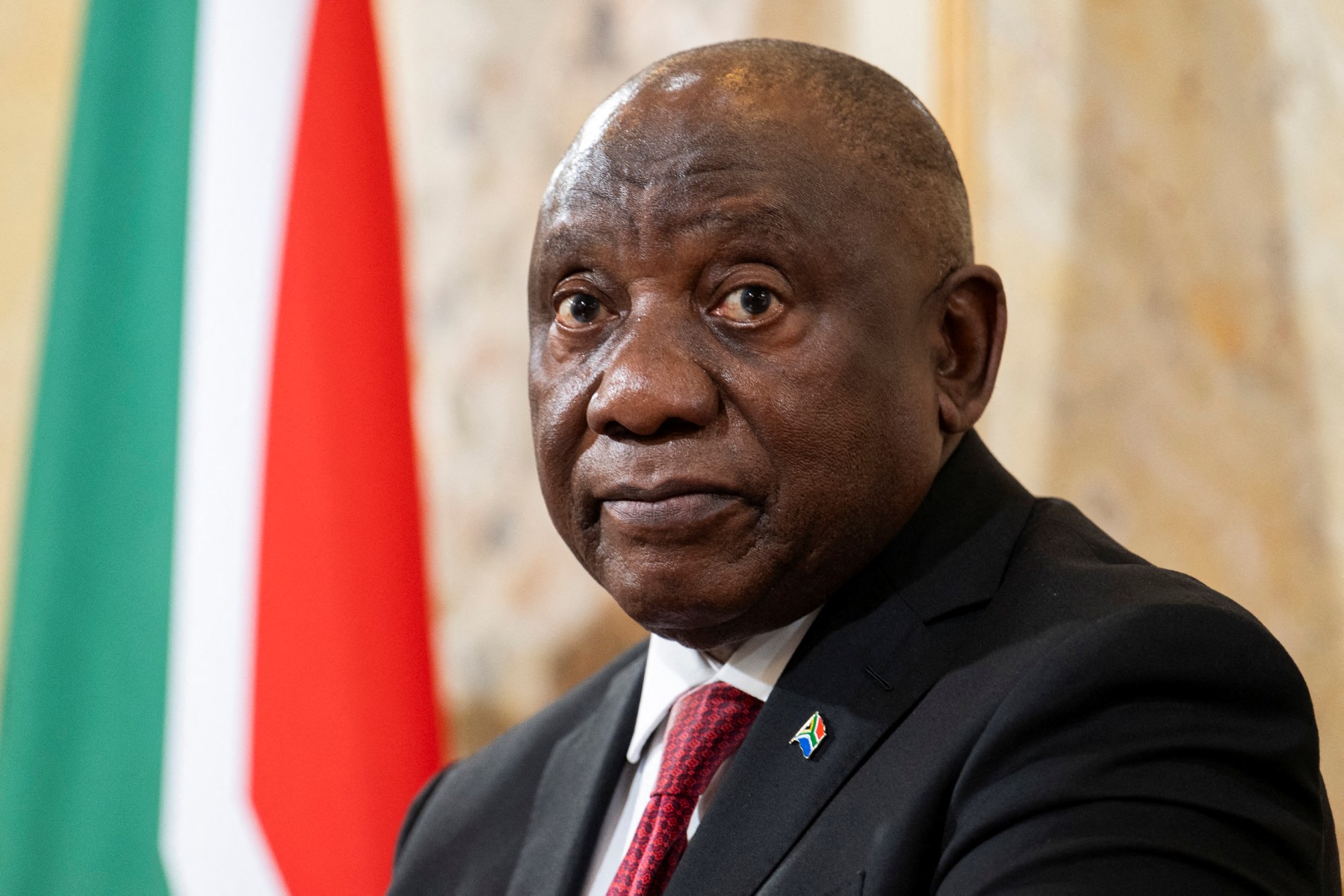
The Madlanga Commission, set up by President Cyril Ramaphosa in July last year, has attracted a following more commonly seen with television dramas and soap operas across South Africa.
The nation has watched as men and women from the highest ranks of the criminal justice system have been called before the inquiry to testify on claims that organised criminal syndicates have infiltrated all branches of law enforcement.
Criminal charges and an assassination
A string of often shocking claims of corruption and misconduct has led to criminal charges against the national police commissioner and others, as well as a wave of arrests, suspensions and resignations, and even one assassination.
“The commissioners are not playing around,” said Luchen. “They have caught people in power lying.”
Ramaphosa set up the independent inquiry after explosive claims that the police minister and others were linked to organised crime and had blocked investigations into politically motivated murders.
The minister, Senzo Mchunu, was immediately placed on special leave.
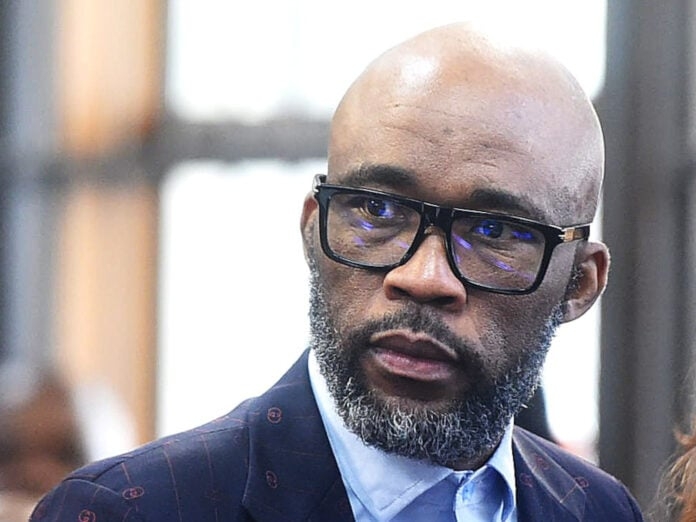
First to testify was Lieutenant General Nhlanhla Mkhwanazi, the provincial police chief who made the claims.
“I want to demonstrate that the criminal justice system has been subject to a continuous threat as well as sabotage, which has been with us over an extended period,” Mkhwanazi said.
“We believe it is at a real risk of a total collapse if nothing is done.”
Public figures and viral moments
The three-person panel is headed by former Constitutional Court judge Mbuyiseli Madlanga and sits in the capital, Pretoria.
Its commissioners and lawyers have become public personalities. Some have nicknames, like chief evidence leader advocate Matthew Chaskalson who is affectionately called “chakalaka” after a popular spicy dish.
Proceedings are pulled apart on social media, where dramatic exchanges and memorable witness performances quickly become memes or viral jokes.
“All the happenings are probably the reason why some would consider SA a soap opera,” said law enforcement expert Mpho Matlala.
The fascination shows the inquiry is “topical and relevant to the lives of ordinary folk”, he said.
Already showing results
A similar inquiry, the 2018 to 2022 Zondo Commission, found that state-owned enterprises were pillaged during Jacob Zuma’s nine-year presidency in “state capture” that Ramaphosa said cost the country billions of dollars.
It named more than 1 400 individuals and institutions, including Zuma, but there have only been a handful of convictions.
The ongoing Madlanga Commission has already had consequences. “Bad elements” have resigned or been fired or charged with serious offences, Matlala said.
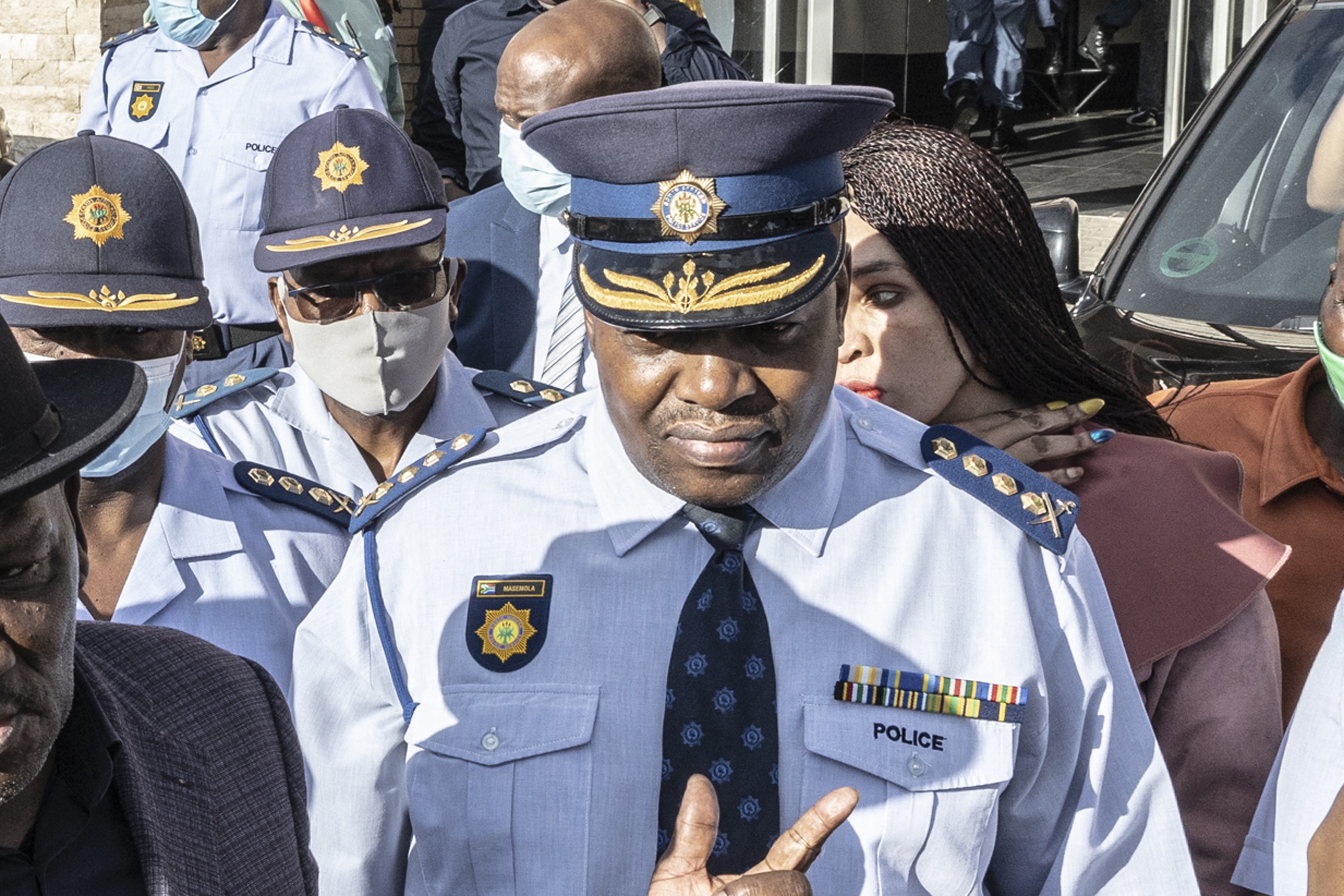
Thirteen senior officers, including the suspended national commissioner, Fannie Masemola, have been criminally charged over the awarding of a R325 million health services tender to a company owned by an alleged crime kingpin, who is also on trial and accused of trying to bribe police officers.
The suspended deputy national police commissioner, alleged to have taken bribes, faces recommended disciplinary action, while some police generals have been arrested for the alleged unlawful possession of precious metals.
In December, a witness was assassinated after claiming cooperation between police and criminal networks.
And in July this year the national deputy head of crime intelligence was shot and wounded days before he was due to appear. He has since been fired.
ALSO READ: This week at the Madlanga Commission: Witness identity leak and IDAC boss’s damning admissions
Understanding South Africa
For 11-year-old Thoriso Langa, who watches after school, the proceedings are a way of understanding the nation around him.
“I watch it because I want to know what is happening in the country,” he said.
“There is some entertainment in watching the commission,” said another avid follower, Tiago Moreira (24).
Moreira recalled a phone conversation replayed to the inquiry in which the head of an anti-corruption directorate, Andrea Johnson, appeared to tell a subordinate to “leave the country” if she was called to testify.
Johnson resigned after giving evidence.
“When questions arise about whether those institutions themselves may have been compromised, people naturally pay close attention,” said legal expert Shadi Maganoe.
The commission is expected to wrap up hearings by early October with the final report due in November.



You must be logged in to post a comment.