

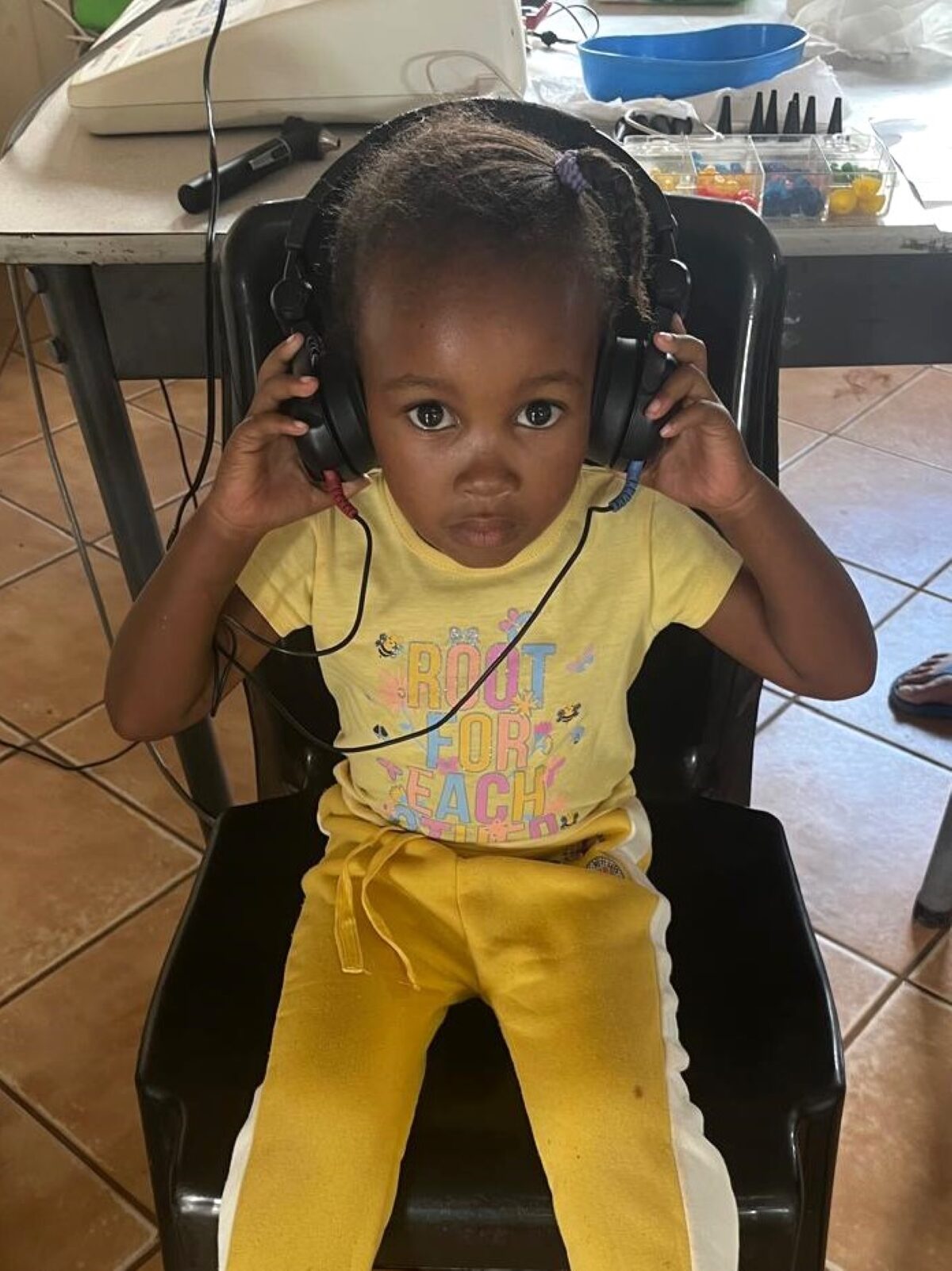
Even mild hearing difficulties can affect a child’s ability to follow instructions, develop literacy skills, and engage confidently in the classroom.
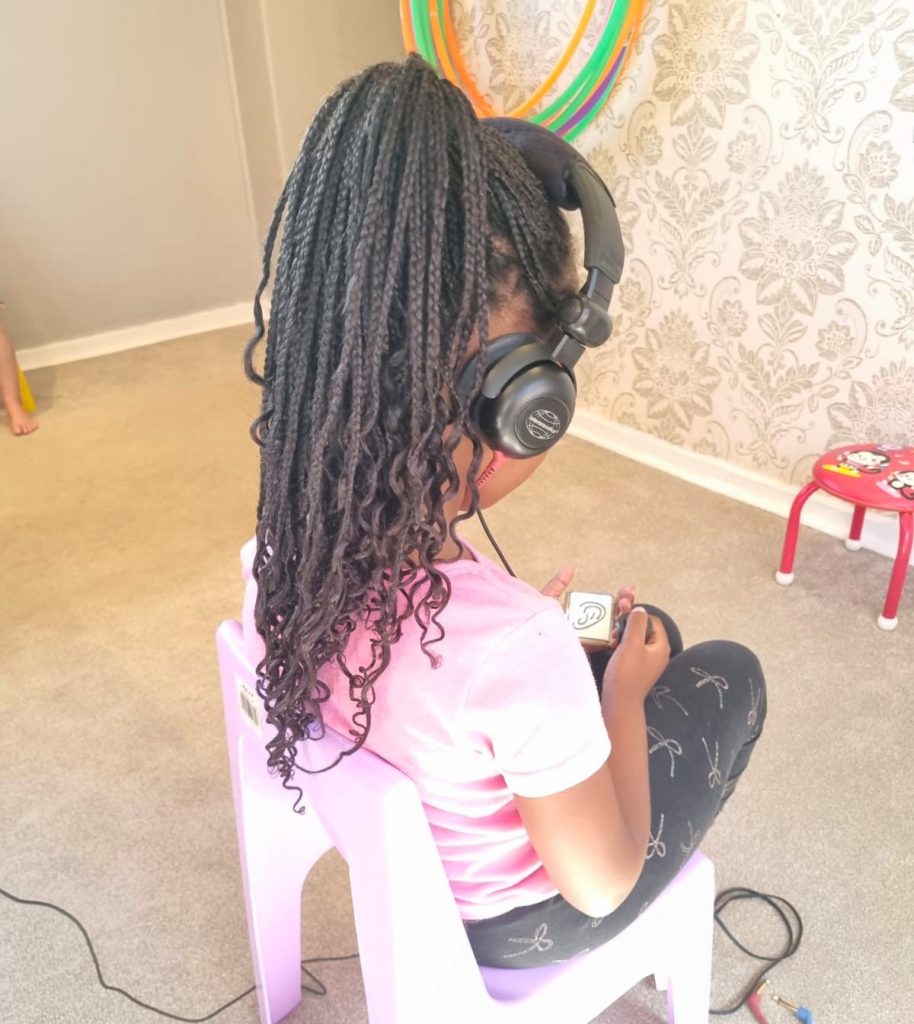
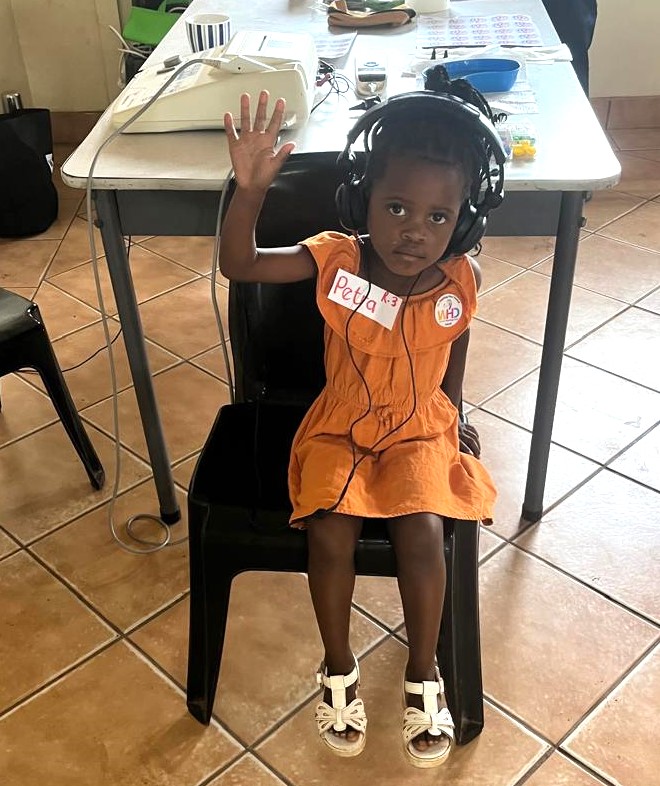
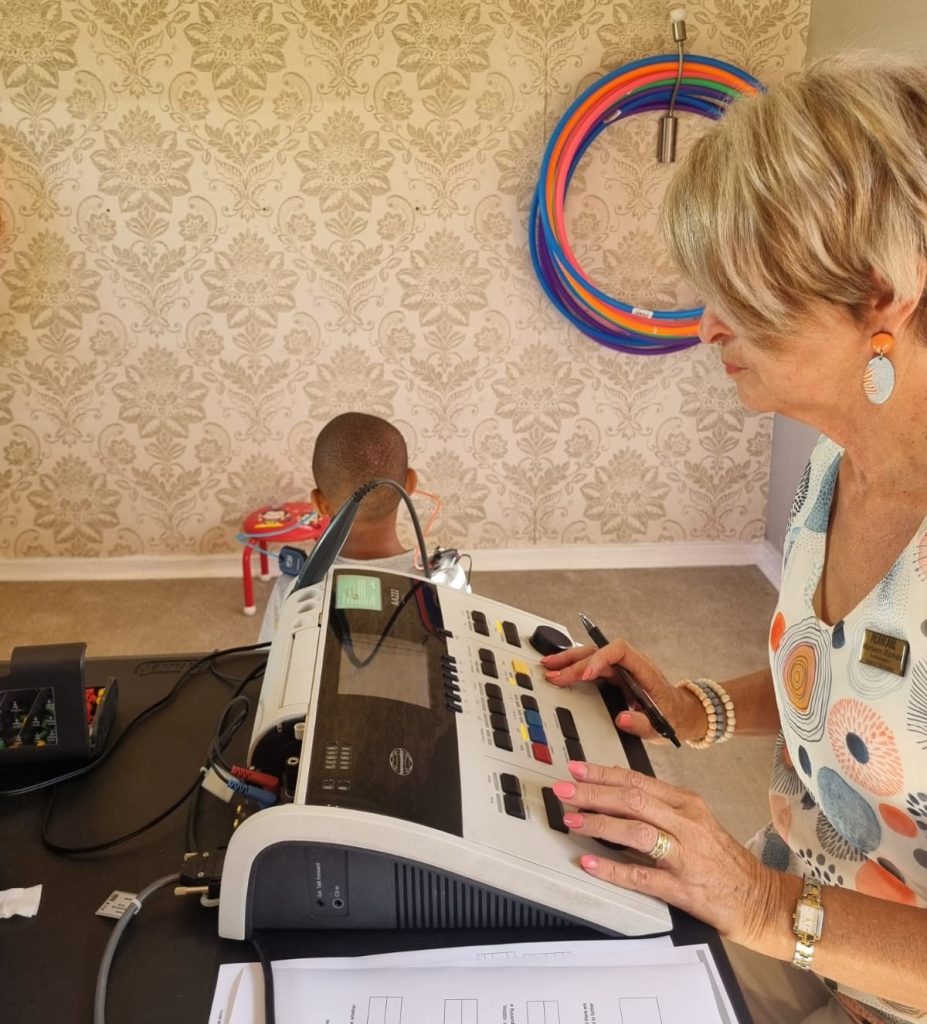
By bringing hearing care directly into school communities, the South African Association of Audiology (SAAA) successfully conducted hearing screenings for disadvantaged children in schools across South Africa during the first week of March.
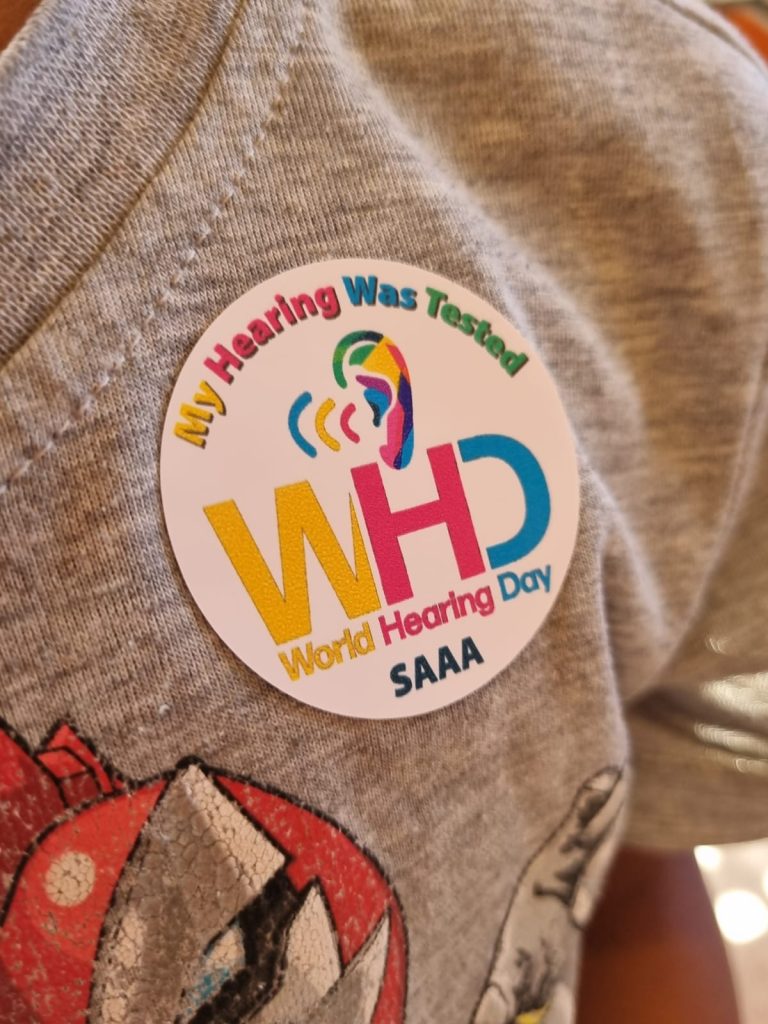
This was in line with World Hearing Day, observed on 3 March by the World Health Organization (WHO), under the theme, “From communities to classrooms: hearing care for all children”.
Joining this global call to action, the SAAA and participating audiologists helped remove barriers to learning and promoted inclusive educational environments.
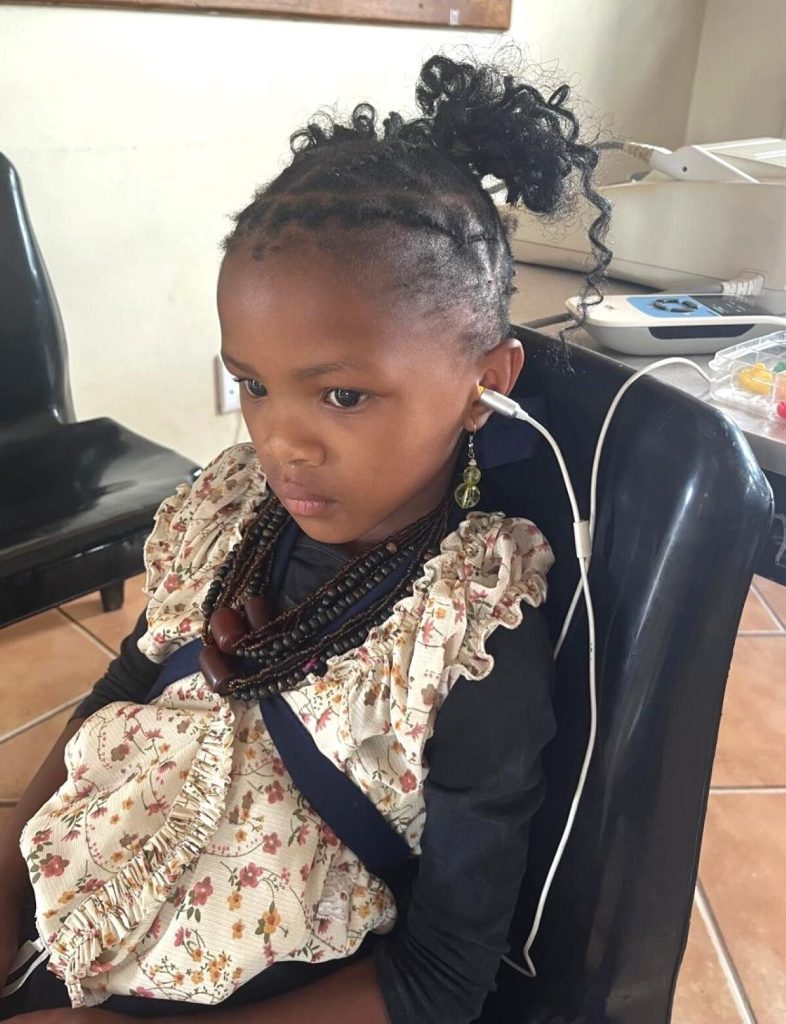
Early identification of hearing difficulties a critical step
The outreach initiative at identified schools focused on early identification of hearing difficulties among young learners – a critical step in supporting speech and language development, classroom participation and academic achievement.
It also reinforced the powerful link between hearing health and learning success.
For many learners, this was their first formal hearing screening by audiologists who volunteered their time and expertise to screen these learners, and identify children who may require further diagnostic assessment and intervention.
Early detection enables timely support, helping to prevent the long-term educational and social impact of undiagnosed hearing loss.
As the professional body representing audiologists in South Africa, the SAAA remains committed to the prevention, identification and management of hearing and balance disorders across the lifespan.
World Hearing Day 2026 served as a meaningful reminder that hearing care is essential to every child’s right to learn and thrive. Through continued collaboration between schools, families, and healthcare professionals, we can ensure that no child is left unheard.
Signs your child may have a hearing problem
- Poor speech and language development as a toddler.
- Constantly asking for repeat: “What did you say?” Frequently says “huh?” or “what?”
- Making mistakes with sound when spelling and reading in the classroom.
- Turns the TV or tablet volume very high.
- Watches people’s faces closely to understand what they are saying.
- Difficulty following instructions.
- Frequently misunderstands words.
- Complains that people are mumbling.
Why focus on children’s hearing?
Globally, school-age children with hearing loss often remain undiagnosed and without access to needed services, according to the World Health Organization. Hearing loss affects around 90 million children and adolescents aged 5-19 years, across all parts of the world.
Common, preventable and treatable causes of hearing loss remain widely prevalent in children. At time, hearing loss begins insidiously but progresses and worsens over time.
Left unaddressed, this not only affects a child’s ability to hear but significantly impacts speech, language, cognitive and social development, commonly leading to poorer educational outcomes, reduced employment prospects and long-term economic disadvantages.
Visit audiologysa.co.za to find an audiologist near you, or call Andra Bester Audiologist in Kathu on 053 723 2279.
ALSO READ: Clearly take in every joyful sound of life



You must be logged in to post a comment.