

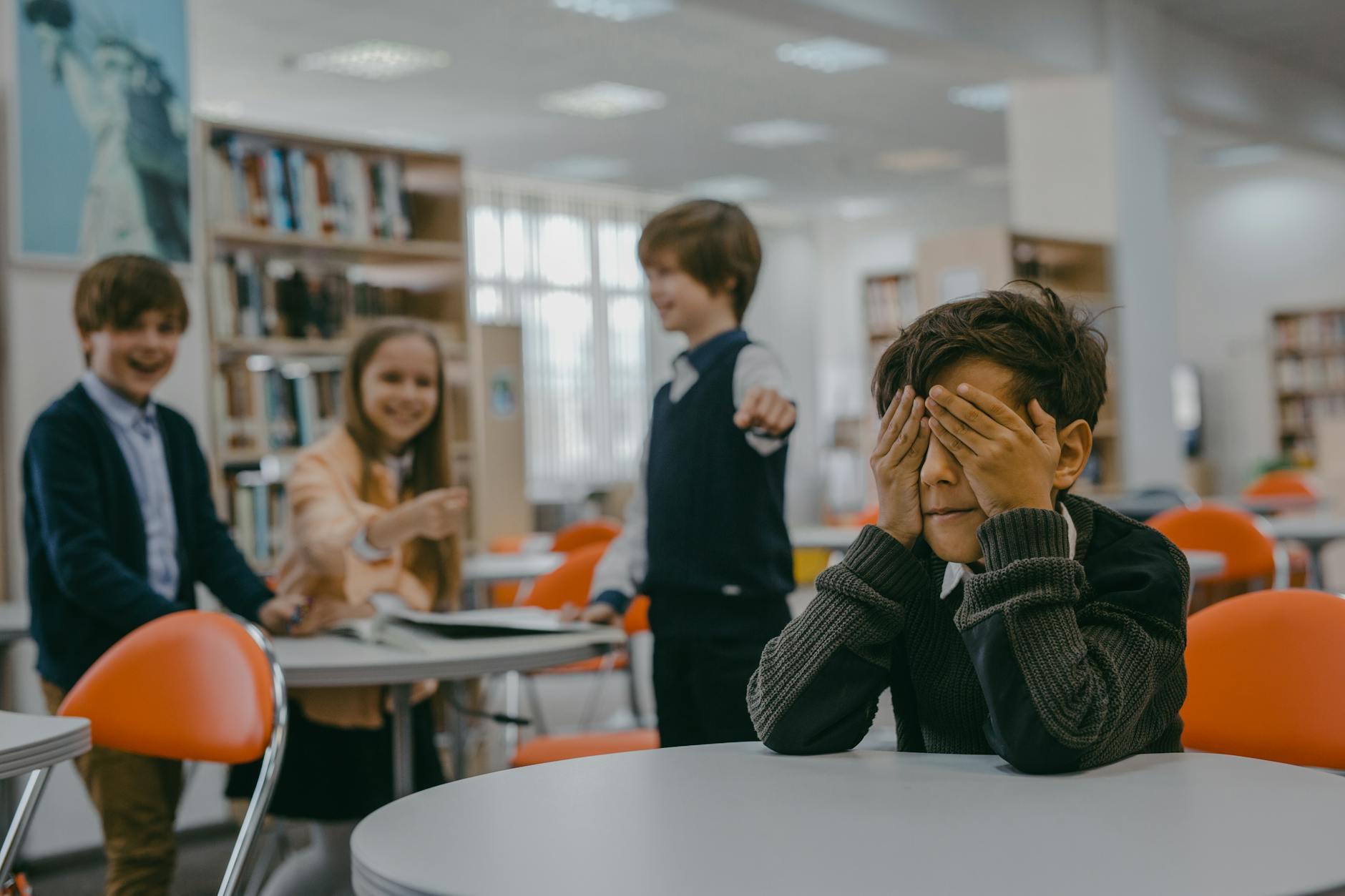
Bullying is common – worldwide, a multi-national study found that about 30% of adolescents had been bullied. In adulthood, over 30% of adults report experiencing bullying, often in the workplace.
According to anti-bullying organisations, around 57% of South African learners have been bullied at least once in their lives. Statistics from Safer Schools show that more than 3,2 million learners are bullied yearly; 67% of these victims will not report their abuse as they believe that they will not be assisted.
Bullying is not always loud – it can be silence, exclusion, or a careless word. Bullying Prevention Month observed in October reminds us that everyone deserves to feel safe and included, and it starts with our everyday choices.
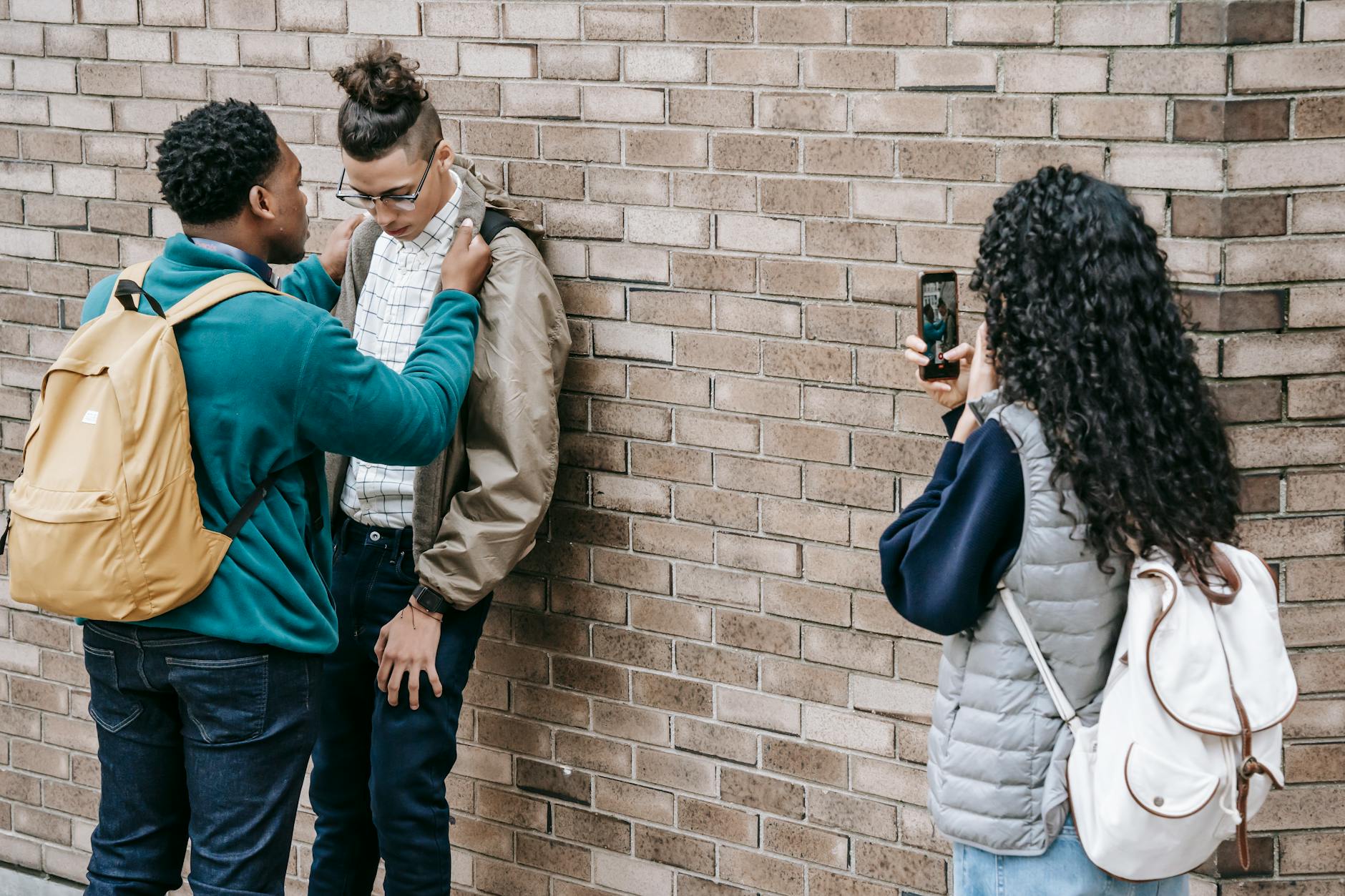
Bullying facts
Bullying directly affects learners’ ability to learn
According to an article on pacer.org, learners who are bullied are more likely to experience low self-esteem and isolation, perform poorly in school, have few friends in school, have a negative view of school, experience physical symptoms (such as headaches, stomachaches, or problems sleeping), and to experience mental health issues (such as depression, suicidal thoughts, and anxiety).
Bullying affects witnesses as well as targets. Witnesses are more likely to use tobacco, alcohol, or other drugs; have increased mental health problems; and miss or skip school (StopBullying.gov).
Youth who bully others are at increased risk for substance use, academic problems, and experiencing violence later in adolescence and adulthood. Youth who bully others and are bullied themselves suffer the most serious consequences and are at greater risk for mental health and behavioral problems.
Bystanders can be powerful allies
Since bystanders can often intervene most effectively, it is important for schools to encourage bystander intervention by teaching skills and offering resources that support this behavior.
Bullying is not a “rite of passage” but a serious threat
Some say bullying makes children tougher and is not a serious problem, but the reality is that learners who are bullied are more likely to report increased negative effects to their emotional and physical health.
Areas of concern include education (school avoidance, loss of academic achievement and increase in drop out rates), health (physical and emotional including stomachaches, headaches, sleeping issues, depression, fear or anxiety) and safety (harm to self and others, including self-isolation, increased aggression, alienation, and retaliation).
Anyone can bully, and anyone can be bullied
Bullying is a behavior, not an identity. Labeling a learner as a “bully” can have a detrimental effect on their future and often limits their ability to change their behavior.
Learners can have multiple roles: they can be the one subjected to bullying and the one who bullies. Strategies that focus on holding learners accountable for their behavior – but also empower them to change that behavior – are more effective than punitive punishments and peer mediation in bullying situations.
Any student can exhibit bullying behavior – male or female, popular or unpopular, learners with good grades, and those who struggle academically. Teachers need to focus on a learner’s behavior, not their profile, when determining if bullying occurred.
Bullying is not about resolving conflict; but about control
In conflict, children self-monitor their behavior and generally stop when they realise they are hurting someone.
When bullying, children continue their behavior when they realise it is hurting someone, and are satisfied by a feeling of power and control.
Effective bullying prevention
These efforts involve learners, parents, teachers, and community members.
Also, allowing learners to be involved in bullying prevention efforts has a great impact. They feel empowered by being directly involved in analysing bullying issues, creating ideas to help solve the problem, and enact creative solutions. Learner-led bullying prevention initiatives give students self-efficacy and a sense of agency with leadership.
Powerful themes
The following powerful themes- as provided by Families South Africa (Famsa) help guide us toward a more compassionate community, with simple ways to live them out – at school, at work, and at home.
Respect
Respect means treating others with dignity, even when we disagree. For children, it is greeting classmates by name, waiting their turn, or saying “sorry” when they have hurt someone. For adults, it is listening without interrupting, showing appreciation for every role – from cleaner to coordinator – and avoiding gossip. Respect grows when we speak kindly, honour boundaries, and treat others the way we would like to be treated.

Empathy
Empathy is the ability to understand how someone else feels. It is what helps a child notice when a friend is sad and offer comfort or choose not to laugh when someone makes a mistake. For adults, empathy might mean pausing before reacting, considering what someone is going through, or offering support instead of judgment. It is about seeing with the heart, not just the eyes.
Courage
Courage is doing what is right, even when it is hard. A child shows courage by standing up for a friend who is being teased, or by telling a teacher when something feels wrong. Adults show courage when they speak out against unfair treatment, support someone who is being excluded, or admit a mistake. Courage is not about being loud – it is about being honest, fair, and brave enough to care.
Inclusion
Inclusion means making sure no one is left out. Children practice inclusion when they invite others to play, sit with someone new, or celebrate differences in language or ability. Adults can include others by asking for input from quieter voices, making sure meetings are accessible, or simply saying, “You’re welcome here.” Inclusion turns “me” into “we.”
Kindness
Kindness is the glue that holds communities together. It is the child who shares their crayons, helps a friend carry their bag, or says, “You’re awesome.” It is the adult who sends a thank-you message, offers a lift, or chooses gentle words in a stressful moment. Kindness does not cost anything – but it changes everything.
Safety
Safety means feeling free to learn, grow, and be yourself without fear. Children feel safe when they know they can ask for help, speak up, and be protected from harm. Adults help create safety by listening, responding calmly, and making sure rules are clear and fair. Safety is everyone’s responsibility – and it starts with trust.
Let us make October count
Bully Prevention Month is about people – not posters. It is how we treat each other in queues, chats, classrooms, and homes. Whether you are a parent, teacher, child, or leader, you can help someone feel seen and valued.
One kind word. One brave choice. One moment of empathy. That is how we move from bullying to belonging.
- If you are a victim, a witness, or someone who is struggling with bullying, reach out to Famsa on 053 723 1564. You are not alone.




You must be logged in to post a comment.