


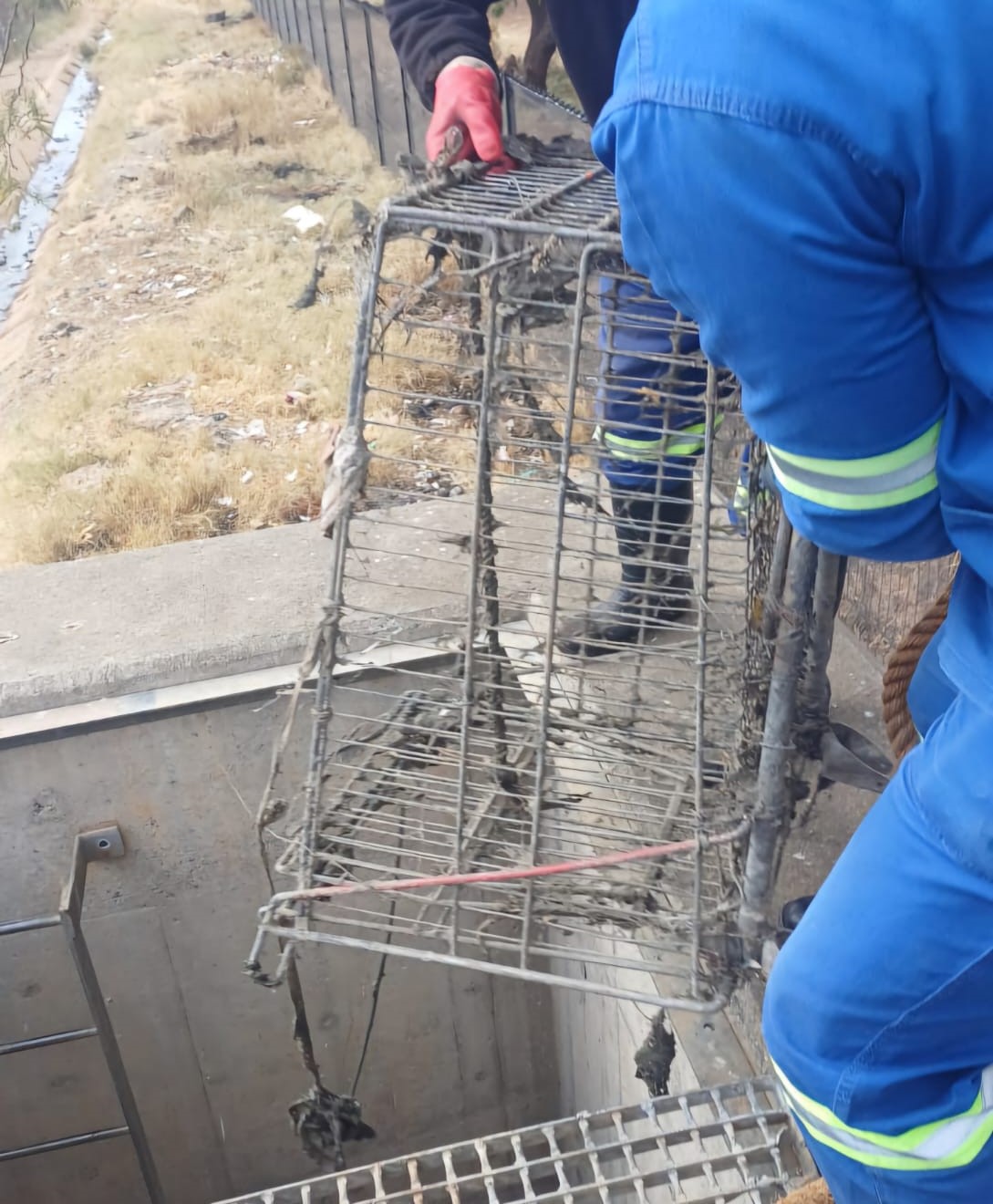
KIMBERLEY – Recently, when tackling sewer network challenges in Kimberley in the Northern Cape, the Sol Plaatje Municipality appealed to the community “to refrain from throwing shopping trolleys and other foreign objects into manholes”.
This follows an incident earlier in the month when the municipality’s sanitation unit retrieved a shopping trolley from a manhole after attending to a complaint of a blocked sewer line.
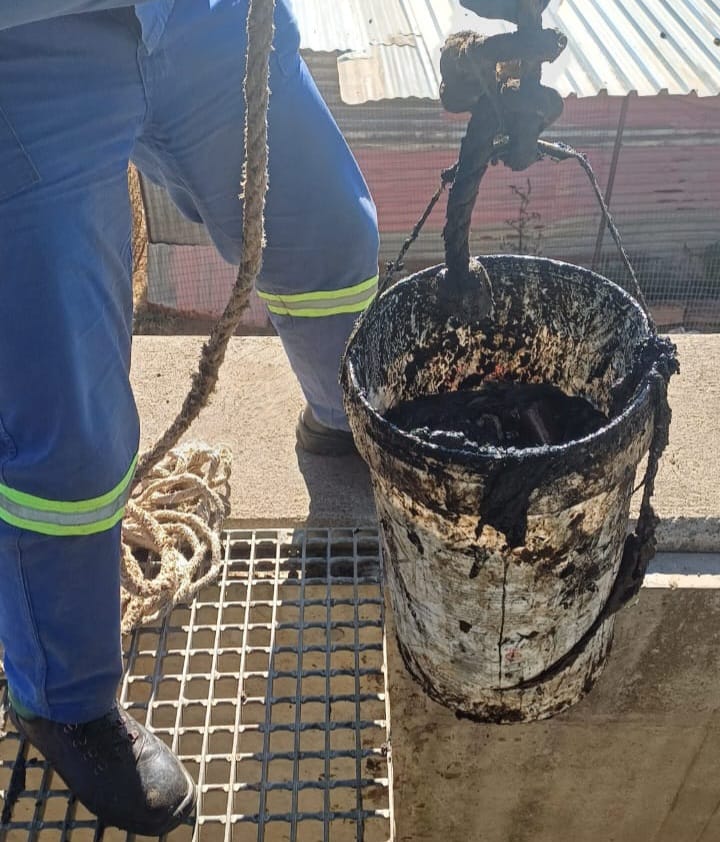
Large amounts of debris and other solids are extracted on a regular basis from manholes, says Thabo Mothibi, communication head and municipal spokesperson.
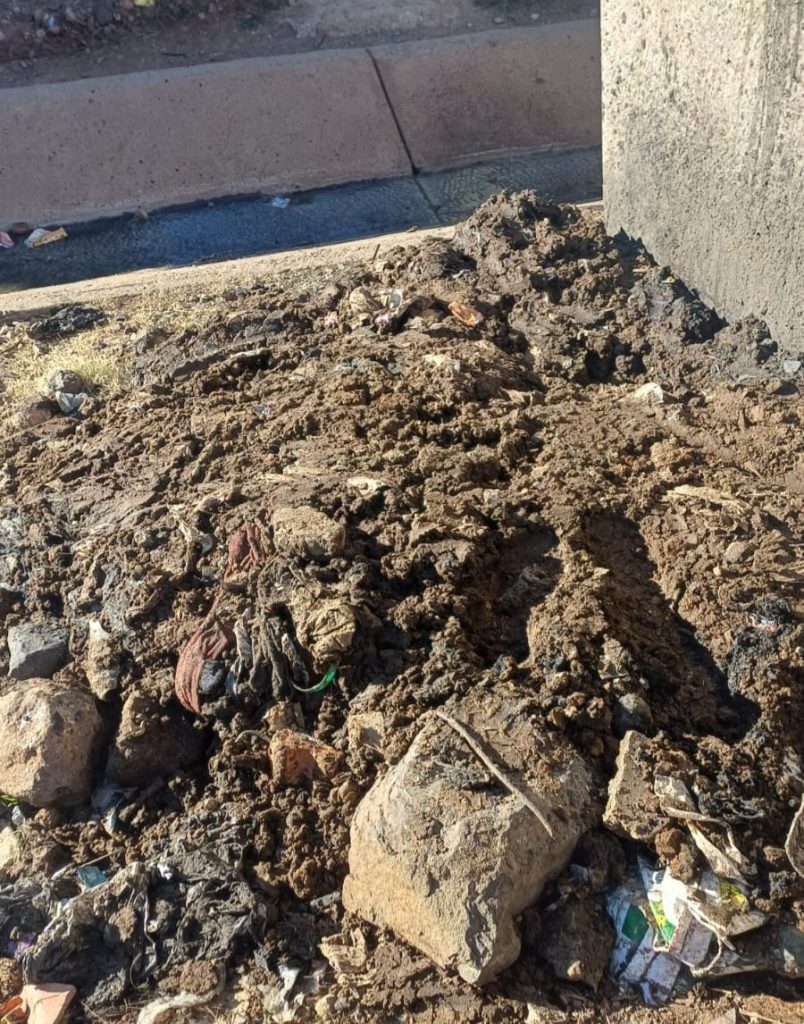
Upon enquiry, Mothibi mentions that dead domestic animals like cats and dogs, old blankets and carpets, household waste, rocks, and more are common to be found in blocked sewer lines. Sometimes, even remains of foetuses are found.
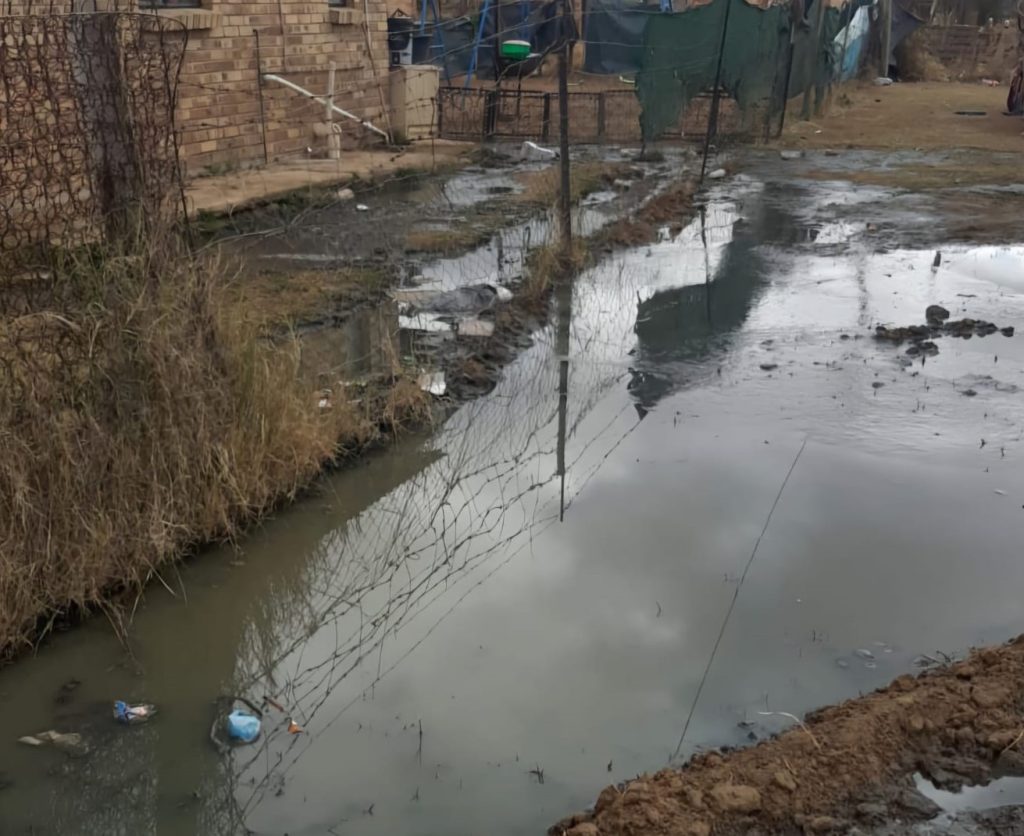
Products such as braidings and weaves are also extracted from the sewer system. Fat and oil, used for cooking, are commonly found to contribute to blocked drains, he says, commenting that the largest source of drain blockages are directly caused by households.
- Mothibi asked residents to act against those dumping foreign objects into the sewer network by calling the municipality’s toll-free number, 080 122 9010, or by contacting the ward councillor.
Fats, oils, grease frequent and costly challenge for sewer systems
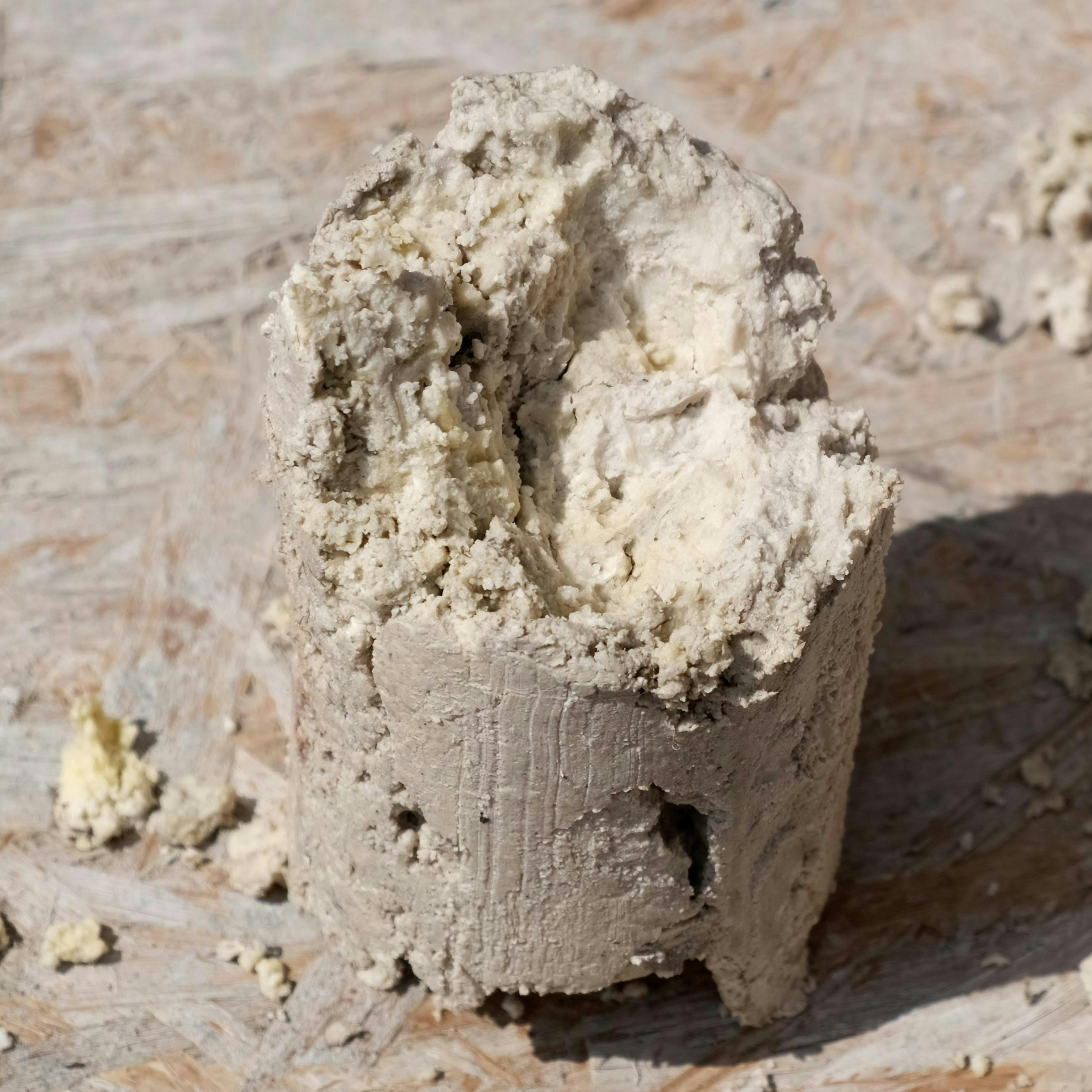
According to Wastewater Digest on wwdmag.com, fats, oils and grease pose a frequent and costly challenge for sewer systems because it causes blockages and corrodes pipes.
Fats, oils and grease solidifies in sewer pipes and, over time, accumulates into a large mass that forms a major blockage in the sewer. This blockage can cause sewer overflows, sewer pipe corrosion and odour issues. It also accumulates in other parts of a wastewater system.
Understanding common causes of blocked drains
According to Drain Blasters on drainblasters.co.za, prevention is key when it comes to blocked drains. By understanding the common causes, you can take the necessary steps to avoid them. The company states there are five main culprits behind blocked drains.
Cause 1: Hair and personal care products
One of the most common causes of blocked drains is the build-up of hair and personal care products. Hair has a knack for finding its way into drains, where it can accumulate over time and create a stubborn blockage. Additionally, personal care products such as shampoo, conditioner, and body wash can leave behind residue that sticks to the inside of pipes, further contributing to blockages.
To prevent this issue, consider using drain screens or stoppers to catch hair before it goes down the drain. Regularly cleaning these screens or stoppers will ensure it remains effective in preventing hair from causing blockages. Additionally, periodically pouring boiling water down the drain can help dissolve any residue that may have accumulated.
Cause 2: Food waste and cooking oil
Another common cause of blocked drains is the improper disposal of food waste and cooking oil. A kitchen sink is not a garbage disposal. Food scraps, especially those that are fibrous or starchy, can easily get stuck in pipes and cause blockages. Similarly, pouring cooking oil down the drain may seem convenient, but it can solidify and create stubborn clogs.
To avoid these issues, make sure to scrape food scraps into the trash or compost bin instead of rinsing it down the sink. When it comes to cooking oil, allow it to cool before disposing of it in a sealed container and throwing it in the trash.
Cause 3: Tree roots and plant debris
In some cases, blocked drains may be caused by tree roots and plant debris infiltrating your underground pipes. Tree roots are naturally drawn to sources of water and can easily find their way into small cracks or joints in your pipes. Once inside, they can grow and cause blockages.
Similarly, leaves, twigs, and other plant debris can accumulate in outdoor drains and gutters, leading to blockages. To prevent this issue, regularly inspect your outdoor drains and remove any debris.
Cause 4: Non-flushable items
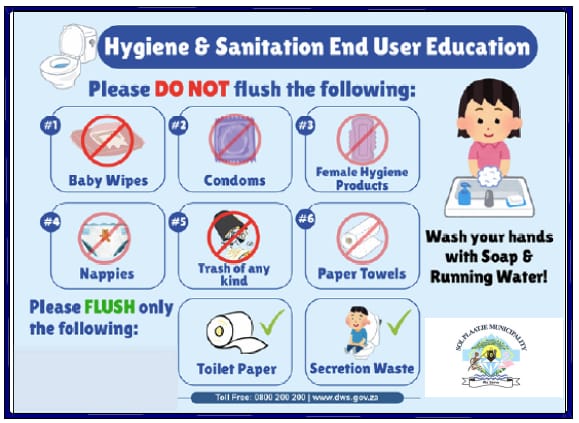
Flushing non-flushable items down the toilet is a common mistake that can lead to blocked drains. Items such as baby wipes, cotton swabs, sanitary products, and even dental floss should never be flushed down the toilet. These items do not break down easily and can cause blockages in the plumbing system.
Educate yourself and your family members on what is safe to flush and what should be disposed of in the trash. Providing a designated trash bin in the bathroom can help encourage proper disposal habits.
Cause 5: Poor plumbing maintenance
Poor plumbing maintenance can contribute to blocked drains. Neglecting regular maintenance tasks such as cleaning drain traps or scheduling professional inspections can allow small blockages to escalate into larger problems.
Be proactive in maintaining your plumbing system to prevent blockages. Regularly cleaning drain traps and using drain cleaners can help remove any buildup before it becomes a problem.


You must be logged in to post a comment.