

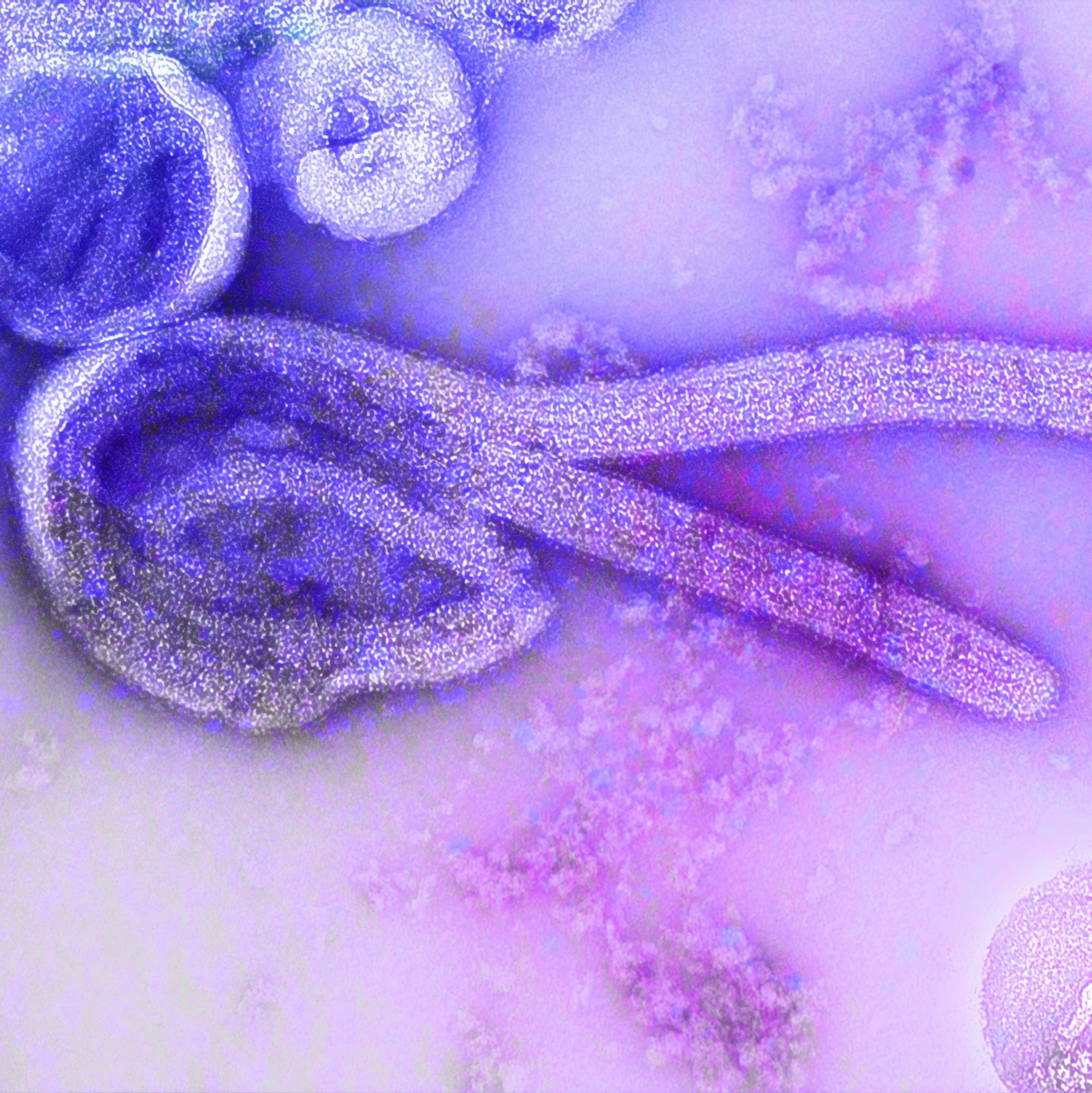
Nigeria has confirmed its first Ebola case while across the continent, Kenya has recorded its ninth.
The West African nation’s Health Minister, Prof Muhammad Ali Pate, announced on Tuesday 20 October that a woman who recently arrived in the country on an international flight from Uganda had tested positive for the virus.
She was admitted to a private hospital in Abuja, Nigeria’s capital, where she received care for several days before her diagnosis was confirmed. She is currently in isolation and receiving medical care.
Pate said the Nigeria Centre for Disease Control was working with Abuja health authorities and other role-players to contain the infection, with 44 close contacts identified so far, including healthcare workers, patients, caregivers and fellow travellers.
Authorities have intensified surveillance and the hospital housing the patient is receiving support to strengthen infection prevention measures. The Nigerian government has placed all public and private healthcare facilities on high alert.
Nigeria’s government pointed to its handling of a 2014 Ebola outbreak as evidence it can contain the virus. According to the WHO, Nigeria recorded 20 cases and eight deaths during outbreaks in Lagos and Port Harcourt between July and August 2014, before the international health body declared the country Ebola-free. WHO described the response at the time as a “spectacular success story.”
Kenya’s outbreak, which began two weeks earlier, offers a picture of what Nigeria may face in the coming days.
Kenya reported its first case on Tuesday 6 October. The patient was a businessman in his forties who had lived in the Democratic Republic of Congo, where a major outbreak has been ongoing since May and has recorded more than 9 000 cases and 4 381 deaths. He travelled by road and air through Uganda, which recorded 20 cases and two deaths before declaring its outbreak over in August. The man died in Nairobi on 5 October.
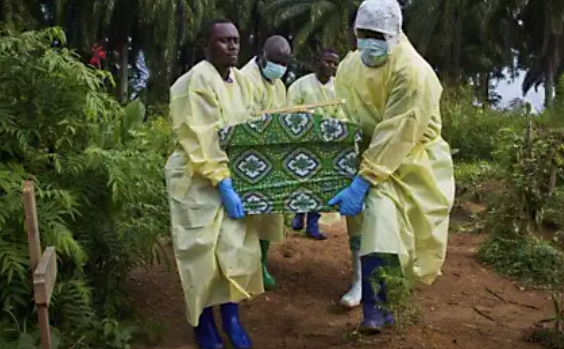
ALSO READ: DR Congo Ebola outbreak becomes country’s deadliest on record
He is the only fatality in Kenya. The eight other patients, relatives of the first patient and health workers who treated him, are in stable condition.
Dr Patrick Amoth, director general of Kenya’s Ministry of Health, said a 24-year-old man, another close family member of the first patient, tested positive on Monday 19 October after being identified during contact tracing. He was isolated at the first sign of illness and started on treatment immediately.
“Our patients are improving and responding well to treatment,” Amoth said.
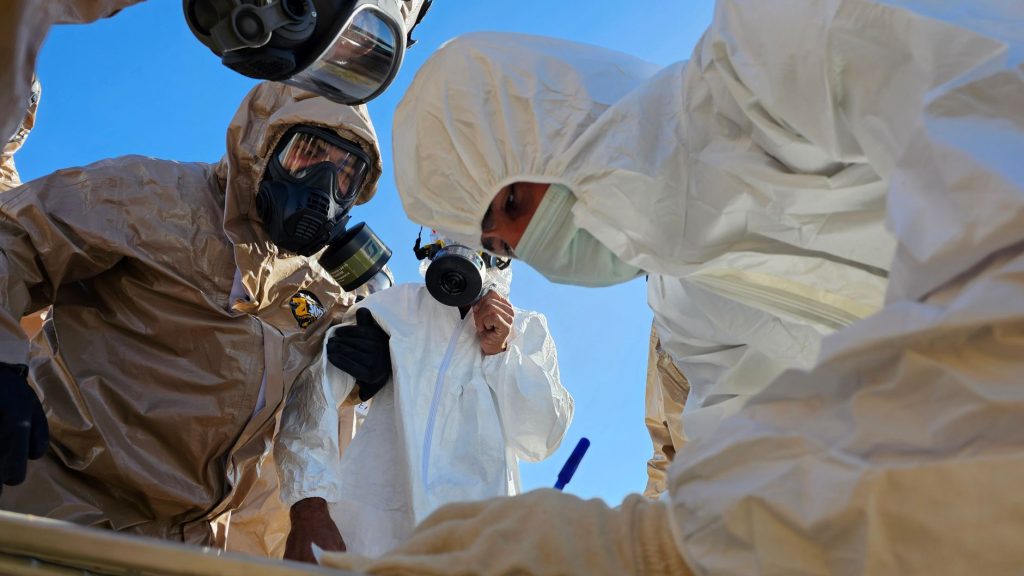
Kenya has received 500 doses of medicine to support treatment of confirmed cases. The Ministry has distributed protective equipment, diagnostic kits and testing supplies to 28 high-risk areas across the country and established a dedicated laboratory at the Kenyatta National Hospital Infectious Disease Unit to handle Ebola patient tests, keeping the main hospital laboratory free to serve other patients.
The Ministry said it had traced 134 of 135 people the first patient came into contact with, all of whom have been quarantined. No infections had been recorded inside quarantine facilities, and the Ministry said all healthcare workers treating patients were fully protected.
Kenyan authorities have imposed no travel, trade or public gathering restrictions.
Contacts who entered quarantine on 6 October and have remained well are set to begin returning home on Saturday 25 October, having completed their 21-day monitoring period.
“We thank them and their families for their patience, their patriotism and their contribution to protecting not only their families and communities, but also the nation and the wider world,” Amoth said.
He appealed to communities to welcome them back, saying those who complete the monitoring period without developing symptoms “pose no risk of infection to anyone.”
ALSO READ: WHO declares international emergency as Ebola outbreak raises Southern African concerns


You must be logged in to post a comment.