

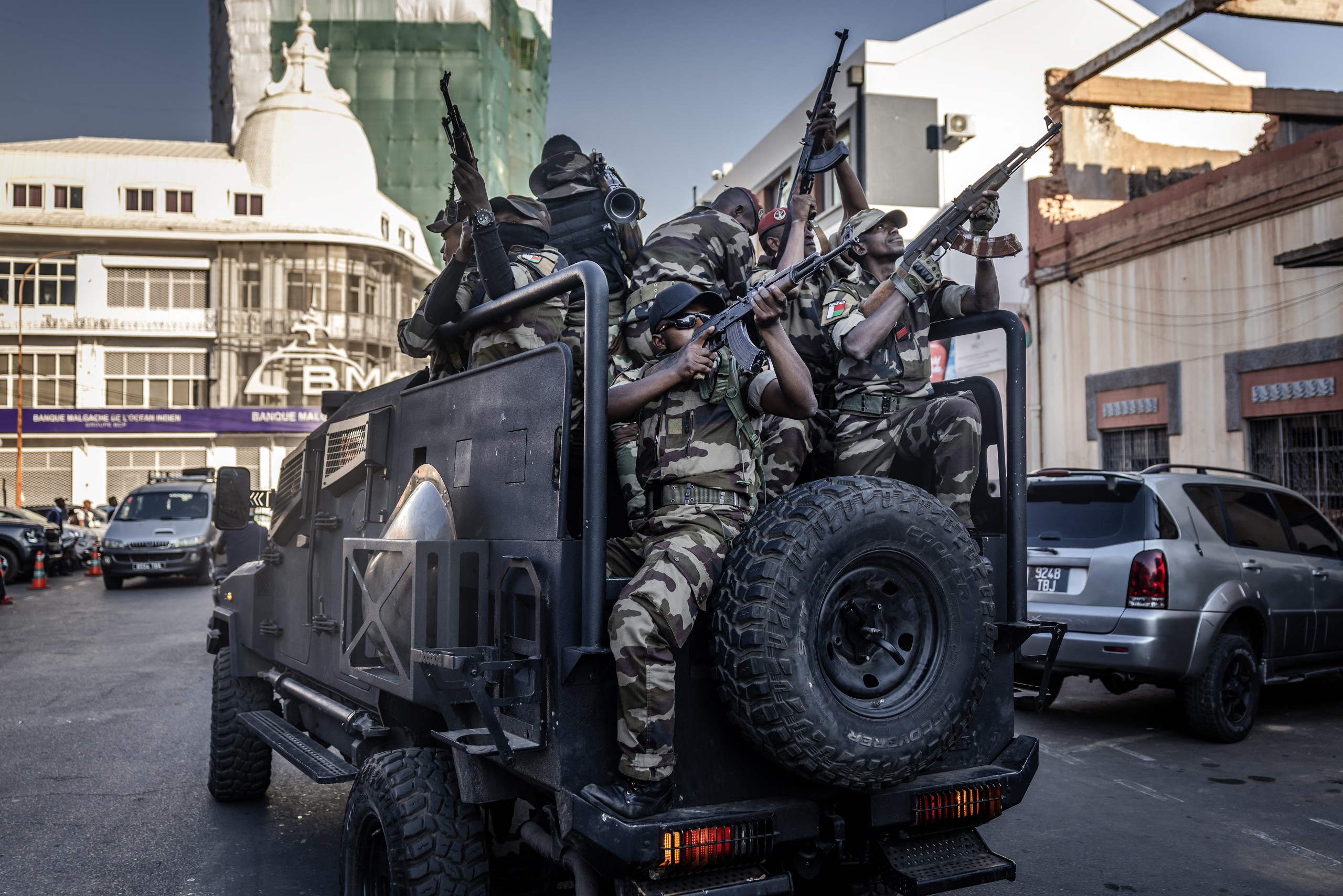
ANTANANARIVO, Madagascar — An elite military unit declared it had seized control of Madagascar on Tuesday after parliamentarians voted to impeach President Andry Rajoelina, culminating weeks of deadly anti-government demonstrations that have gripped the Indian Ocean nation.
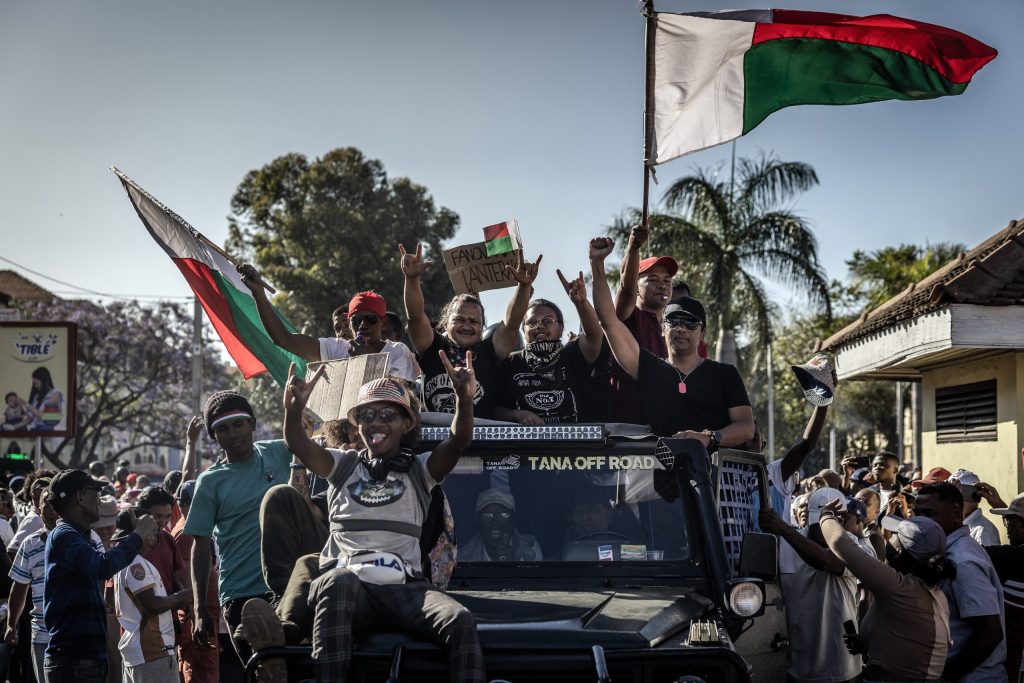
The dramatic political upheaval saw celebrations erupt in the streets of the capital as Colonel Michael Randrianirina, commander of the CAPSAT military unit, announced outside the presidential palace that his forces were now in charge of the country.
“We have taken power,” Randrianirina confirmed to AFP, reading a statement that suspended the constitution and announced plans for military governance.
The coup followed a tumultuous parliamentary session where lawmakers voted 130 to impeach Rajoelina for desertion of duty — well above the two-thirds constitutional threshold required. The vote proceeded despite attempts by the presidency to block the motion by ordering the dissolution of the national assembly.
The constitutional court later validated both the impeachment and Randrianirina’s authority, dealing a decisive blow to Rajoelina’s claims to legitimacy.
The presidency had earlier denounced what it called “a clear act of attempted coup,” insisting that the 51-year-old president “remains fully in office” despite reports he had fled the country.
In a national address late Monday, Rajoelina — who holds French nationality — acknowledged he was in a “safe place to protect my life” but refused to reveal his location. Some reports suggested he may have fled to Dubai with French assistance.
Making clear he would not step down, the embattled president said he was “on a mission to find solutions” to the political crisis and would not allow the impoverished nation to “destroy itself.”
Randrianirina announced that a governing committee composed of officers from the army, gendarmerie, and national police would be established, potentially including “senior civilian advisers” in time.
“It is this committee that will carry out the work of the presidency,” he declared. “After a few days, we will set up a civilian government.”
Following the announcement, CAPSAT officers rolled through the capital in armored Humvees and pickup trucks, returning to their base where hundreds of soldiers stood in formation. Crowds lined the streets, cheering and waving as the convoy passed.
“It’s a huge joy,” said businesswoman Baovola Zanarison Rakotomanga, 41, celebrating at city hall. “We have suffered for so long… we hope to now be able to move forward, united.”
The protests, which began September 25 over power and water shortages, evolved into a broader campaign against Rajoelina and the ruling elite. The movement gained crucial momentum when CAPSAT — the same unit that helped bring Rajoelina to power in a 2009 coup — joined the demonstrators over the weekend.
The crisis has drawn international condemnation, with at least 22 people killed in the demonstrations according to UN figures. The government has disputed this early toll.
“If there is a coup underway, we would stand against that,” UN spokesman Farhan Haq said Tuesday. “We’re trying to see exactly what happens, once the dust is settled.”
The African Union and Southern African Development Community (SADC) have also expressed concern over the developments.
At Tuesday’s rally outside city hall, demonstrators directed anger toward France, the former colonial power, accusing it of meddling in Madagascar’s affairs.
“It’s like they’re colonizing us again,” said civil engineer Koloina Rakotomavonirina, 26. “We want them to leave our island for good.”
The political crisis marks another chapter in Madagascar’s turbulent history, with Rajoelina having previously seized power through military intervention before later winning democratic elections.




You must be logged in to post a comment.