

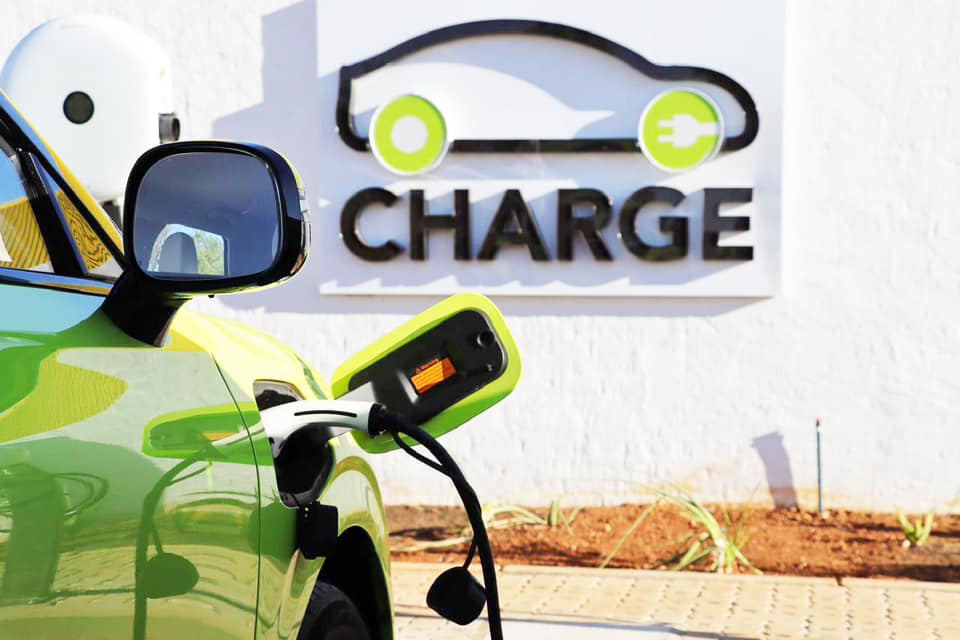
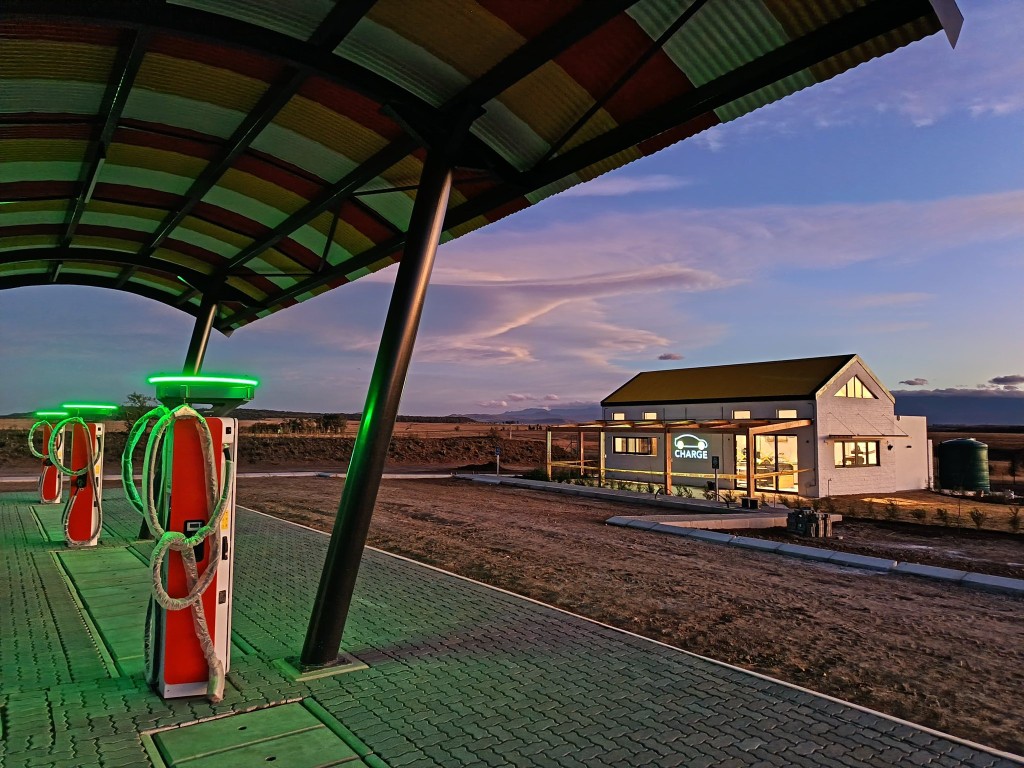
Two new off-grid, solar-powered electric vehicle (EV) charging stations along the N3 between Johannesburg and Durban will be launched this week by Zero Carbon Charge (Charge).
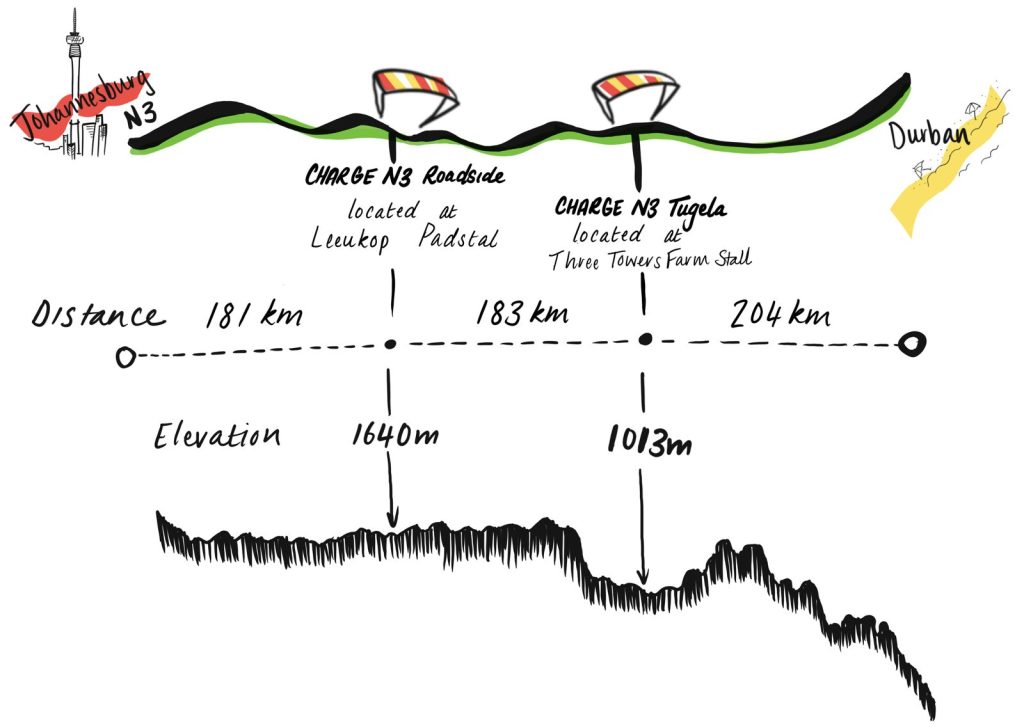
The sites, Charge N3 Roadside in the Free State and Charge N3 Tugela in KwaZulu-Natal, mark a major milestone in enabling electric passenger and freight transport along one of the country’s busiest logistics routes. The establishment of these sites also contributes to reducing reliance on constrained national electricity supply and imported fossil fuels.
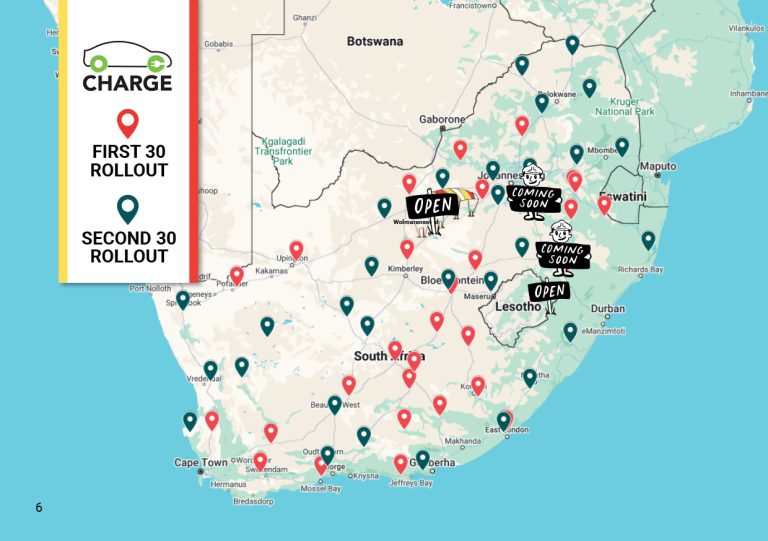
This expansion is supported by a R100 million investment from the Development Bank of Southern Africa (DBSA). It forms part of Charge’s broader phased national rollout of 60 charging stations across major transport routes, expanding to 120 sites over time.
Commenting on the economic opportunity and further development plans, Joubert Roux, co-founder of Charge, stated this milestone sends an unmistakable signal that EV infrastructure in South Africa is moving fast.
ALSO READ: Herlaaistasies vir elektriese voertuie langs hoofroetes beplan
“With the N3 now unlocking for electric travel, the next priority is the N1, extending reliable, off-grid, ultra-fast charging along the country’s most critical long-distance routes,” Roux said.
Charge has already demonstrated the viability of its model through its pilot site outside Wolmaransstad in the North West, which has achieved 99.1% uptime since launching last year. This charging station is located on the N12 between Klerksdorp and Wolmaransstad, at the Leeudoringstad turn-off.
Long-distance travel now viable
In a previous statement Charge said the argument that EVs cannot handle long-distance travel no longer holds.
“With dedicated, solar-powered highway charging becoming operational, EVs are now a practical, everyday choice, rather than a future concept. The infrastructure is arriving. The opportunity is real.
“These stations are first of their kind in South Africa, purpose-built, operating entirely off-grid, powered solely by solar energy and battery storage. No grid dependence. No compromise on speed or reliability.”
Furthermore, the charging stations are electric truck-ready. Charge has recently demonstrated seamless simultaneous charging of two electric trucks provided by SANY Trucks as demonstration on 15 January, alongside four passenger EVs at the charging station outside Wolmaransstad. This proved that ultra-fast, off-grid charging can serve heavy-duty freight and everyday motorists at the same time, Charge stated.
More than just a charging stop
Beyond charging, each site introduces a new-generation farm stall experience with Charge’s signature yellow roof and a guest-first ethos. Here air-roasted coffee, free Wi-Fi, spotless ablutions, and a curated selection of freshly prepared local foods and retail goods can be expected.
“It’s not just a place to stop, it’s a tourist destination with a curated special experience – while your EV or electric truck charges.”
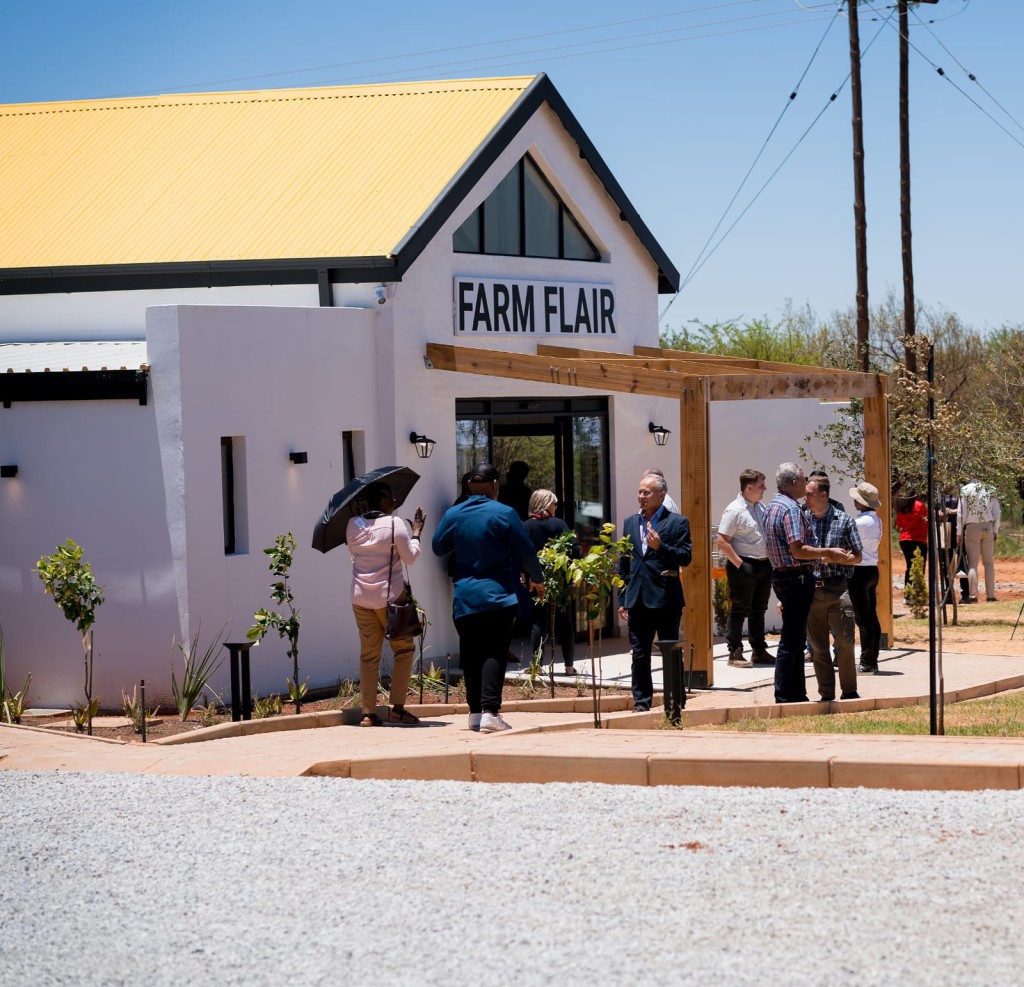
Charge N3 Roadside, at the Leeukop Padstal, is launched on Tuesday 19 May from 10:30 to 14:00, while the Charge N3 Tugela is launched on Wednesday from 10:30 to 14:00 at the Three Towers Farm Stall in KwaZulu-Natal.
About Zero Carbon Charge
Zero Carbon Charge is building a national network of off-grid, ultra-fast EV charging stations across South Africa, powered entirely by renewable energy. These stations use solar-powered microgrids to deliver reliable, scalable, and grid-independent energy, helping accelerate the country’s transition to electric mobility.
- Also visit Zero Carbon Charge on Facebook.


You must be logged in to post a comment.