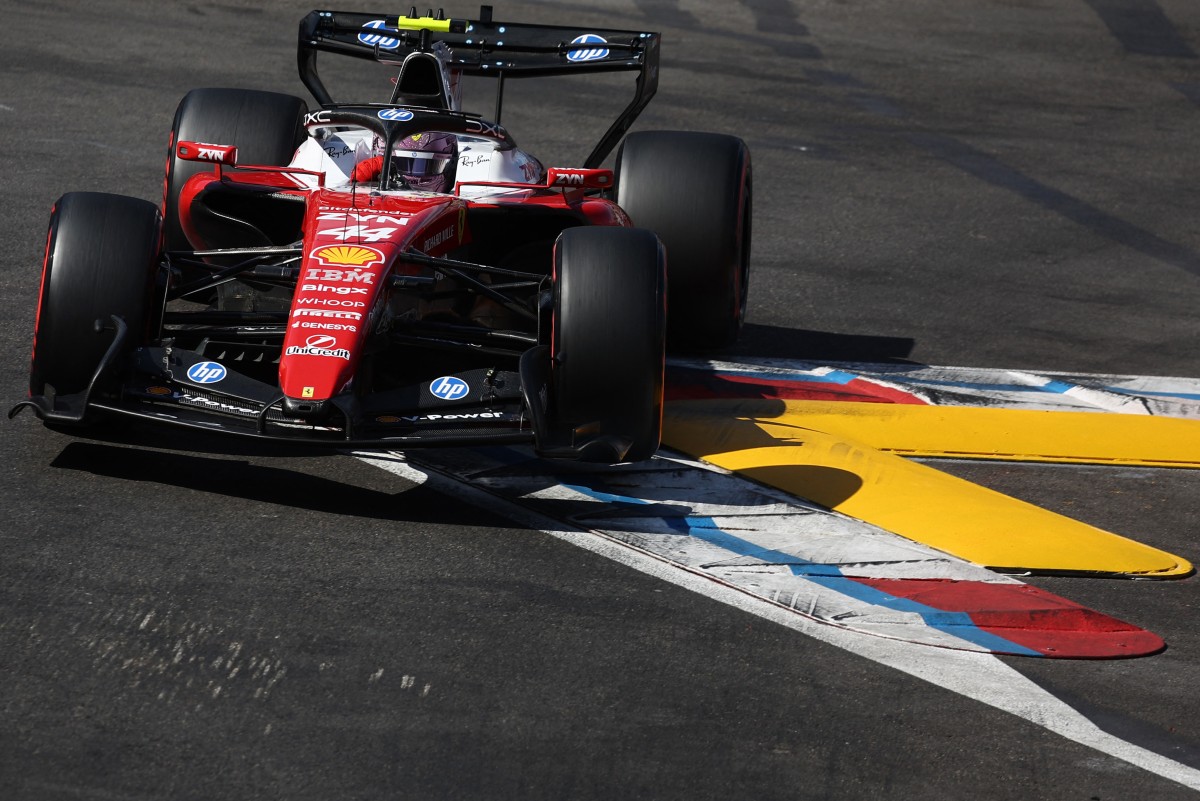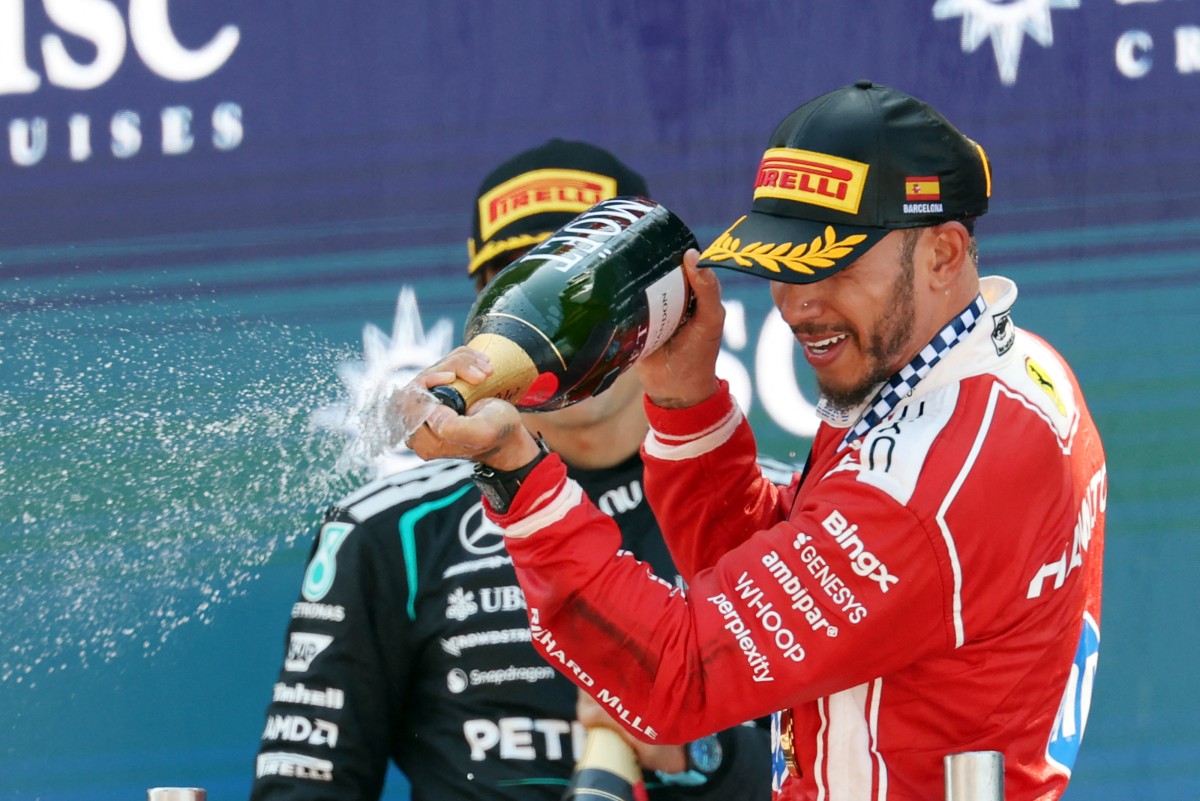
Lewis Hamilton came agonisingly close to ending a three-year pole position drought on Saturday, only to watch his hopes evaporate in the final moments of qualifying for the Spanish Grand Prix. The Ferrari driver’s frustration was palpable as he urged his team to “work harder” after being outgunned by Mercedes-powered rivals at the new Madrid circuit.
Just 0.189 seconds. That’s all that separated the seven-time world champion from what would have been a record-extending 105th career pole position and his first since the 2023 Hungarian Grand Prix. For a driver of Hamilton’s calibre and legacy, that statistic stings, and Saturday’s near-miss at the high-risk Madring circuit only added salt to the wound.
So close, yet so far
Hamilton had briefly tasted glory during the decisive Q3 session, setting the pace after the first flying runs. For a tantalising moment, it appeared the British icon might roll back the years and claim pole position. But when teams wound up their engines and drivers extracted every last tenth, Hamilton simply couldn’t match the straight-line speed of his Mercedes-powered adversaries.
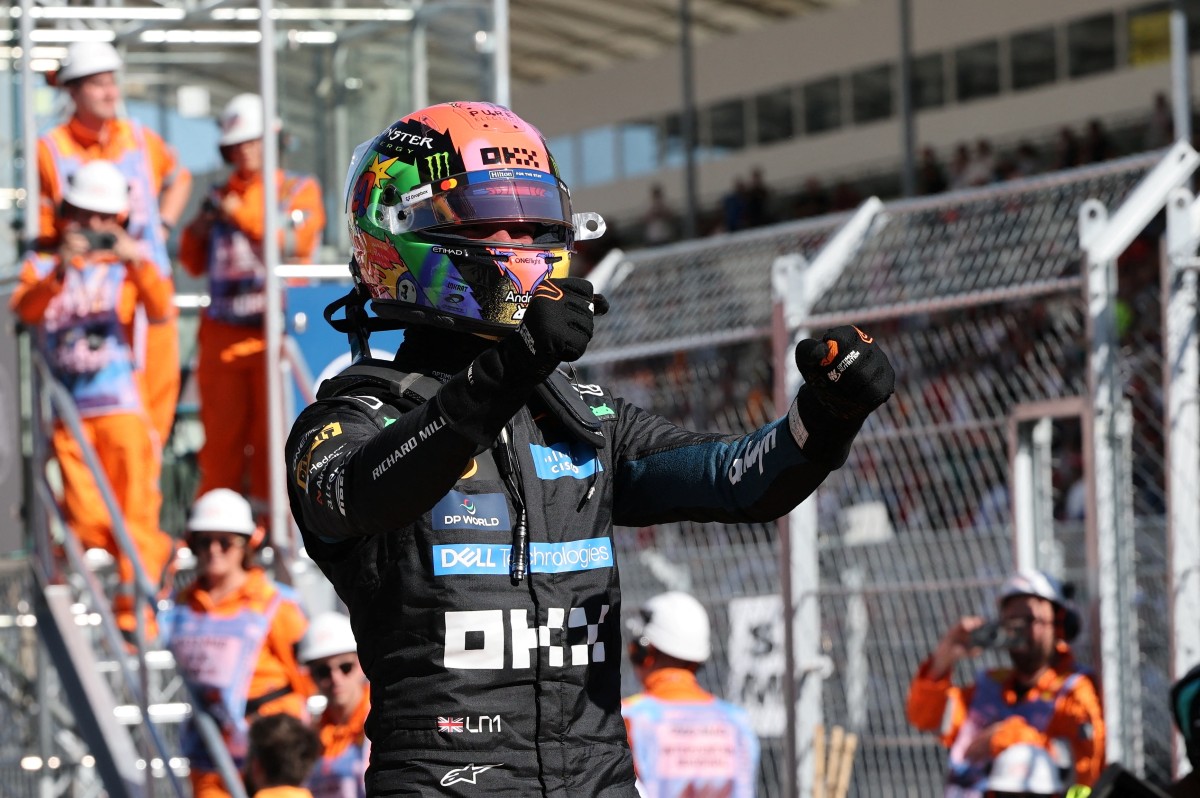
World champion Lando Norris of McLaren, running Mercedes power, snatched pole by a mere 0.011 seconds ahead of championship leader Kimi Antonelli in the works Mercedes. Four-time world champion Max Verstappen qualified third for Ford-engined Red Bull, 0.049 seconds off the ultimate pace.
Hamilton slotted into fourth, his Ferrari engine unable to deliver the crucial horsepower advantage needed to compete at the sharp end when qualifying intensity peaked.
Morning drama, afternoon disappointment
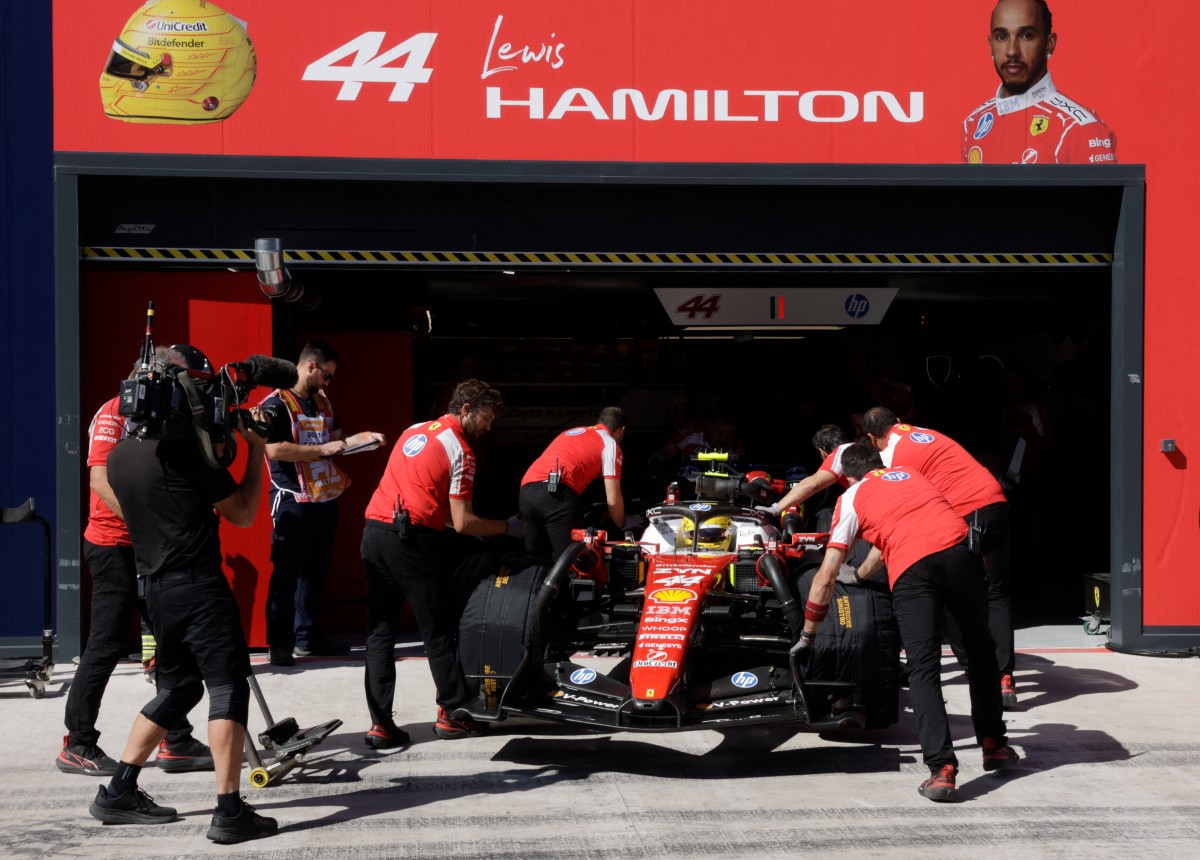
Saturday had already served up drama for Hamilton before qualifying even began. The 40-year-old crashed during final practice, raising concerns about whether his car could be repaired in time. Ferrari’s mechanics worked feverishly to rebuild the machine, getting it ready just in time for the session that determines Sunday’s grid.
To Hamilton’s credit, the earlier incident appeared not to faze him. He delivered a composed qualifying performance, extracting maximum performance from his Ferrari around the challenging Madrid layout. But composure and commitment weren’t enough to overcome what Hamilton perceives as a fundamental power deficit.
“The only thing to say is nothing,” Hamilton smiled wryly when asked about the result. “Qualifying was pretty decent and generally it has been feeling good. It takes everything for us to compete with the two powerhouse motors ahead of us!
“They seem to be able to turn the engine up or something when we get to qualifying, which we just cannot match, so the only answer is that we have got to work harder.”
The engine debate reignites
Hamilton’s comments will reignite debates about power unit performance in Formula One’s current hybrid era. The suggestion that Mercedes can “turn the engine up” in qualifying whilst Ferrari cannot hints at either a fundamental power advantage or superior deployment of hybrid energy systems when it matters most.
Modern F1 power units are extraordinarily complex machines, blending traditional internal combustion engines with sophisticated energy recovery systems. Managing battery deployment, optimising fuel flow, and extracting maximum performance over a single qualifying lap requires immense technical expertise and development.
If Mercedes, both the works team and customer McLaren, can indeed access performance modes that Ferrari cannot match, it represents a significant competitive disadvantage for the Scuderia. Hamilton’s public acknowledgement of this gap, combined with his call for Ferrari to “work harder,” sends an unmistakable message to Maranello: the current situation isn’t good enough.
Execution versus pace
Despite the power deficit Hamilton perceives, he was gracious in his assessment of Ferrari’s operational performance.
“We had no real issues and it was good execution from the team,” he explained. “I think they did a really good job, but I just didn’t have the pace.”
It’s a crucial distinction. Ferrari’s strategy, pit stops, and operational decisions were sound. The mechanics delivered under pressure after the FP3 crash. But when raw performance determines qualifying results, execution can only take you so far.
Team-mate Charles Leclerc qualified fifth, just 0.006 seconds behind Hamilton, a gap so small it’s essentially negligible. The Monégasque driver echoed Hamilton’s sentiment about maximising potential.
“I think the team did a good job and we maximised our potential,” Leclerc noted.
That both Ferrari drivers sit within 0.006 seconds of each other suggests the team extracted everything available from the package. The problem isn’t driver performance or team execution, it’s the fundamental pace ceiling imposed by their power unit when rivals find that extra edge.
Madrid’s maiden qualifying session
Hamilton was complimentary about Madrid’s new circuit, praising the challenging layout despite the overtaking concerns voiced by others.
Also read: Verstappen predicts overtaking nightmare at Madrid street circuit
“It’s a pretty cool track to drive with some karting-esque elements, with the kerbs, which is cool, and the really cool banking,” he said. “I think they have done a really great job.”
The circuit’s characteristics, tight, technical, with limited overtaking opportunities, mean Sunday’s race could be determined largely by starting position. That makes Saturday’s near-miss all the more painful for Hamilton. Had he secured pole, race victory would have been a genuine possibility. From fourth, he faces an uphill battle.
Also read: Breathtaking Norris lap secures Spanish GP pole by tiniest margin
“I have no idea what to expect,” Hamilton admitted when asked about Sunday’s race. “I haven’t seen the other races, but I am told it is very hard to overtake.”
The broader Ferrari challenge
Hamilton’s arrival at Ferrari ahead of this season was supposed to herald a new era for the Scuderia. The seven-time world champion joining Formula One’s most storied team created sky-high expectations. But early-season results suggest Ferrari faces significant technical hurdles before they can consistently challenge Mercedes and McLaren for victories.
The power unit deficit Hamilton highlighted is particularly concerning because engine development is heavily restricted under current regulations. Unlike aerodynamic packages, which can be refined throughout the season, power unit upgrades are limited. If Ferrari genuinely lacks the performance modes Mercedes can access in qualifying, addressing that gap could take months, or even carry over into next season’s development.
Hamilton’s public call for Ferrari to “work harder” demonstrates his expectations haven’t diminished. He didn’t leave Mercedes, where he won six world championships, to settle for fourth place in qualifying.