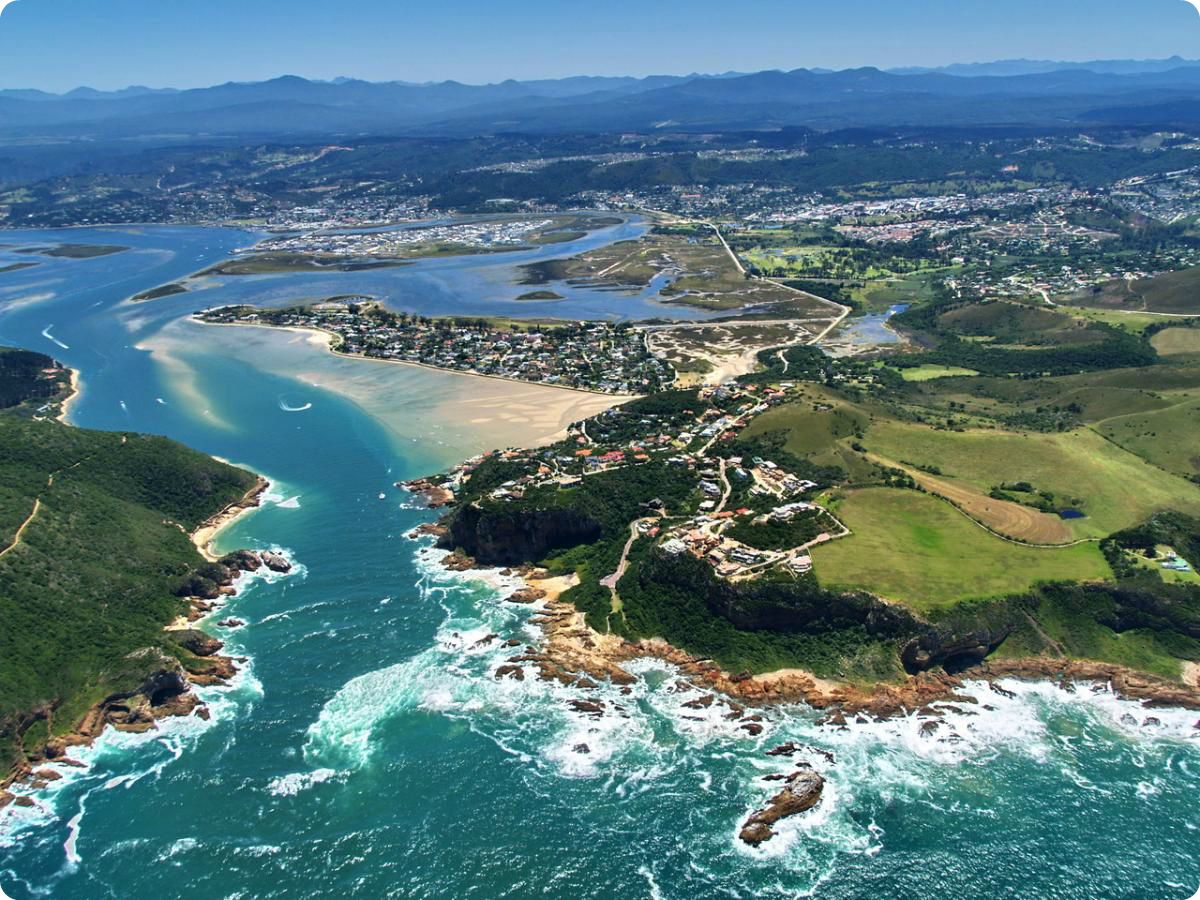
Pollution in the Knysna estuary has reached alarming levels, with E. coli contamination spiking to 51 times above the safe limit for recreational water contact at some sampling sites, according to a recent parliamentary discussion.
Data reveals that 10 out of 14 monitoring sites across the estuary are currently non-compliant with safe water quality standards, posing serious health risks to residents and tourists who use the popular lagoon for swimming and water sports.
Final effluent discharged from the Knysna Wastewater Treatment Works tested at over 11 times the safe E. coli limit, confirming that failing municipal infrastructure is directly contaminating the protected estuarine environment managed by SANParks.
DA Western Cape spokesperson on local government Dave Bryant, said the contamination exposes the catastrophic cost of municipal collapse in Knysna.
“When local wastewater treatment facilities are allowed to discharge contaminated effluent into a protected marine habitat, it is an absolute failure of governance,” Bryant said.
“The local coalition is actively poisoning one of South Africa’s most ecologically sensitive estuarine systems, risking public health and crippling Knysna’s tourism economy.”
February 2026 water quality testing revealed dangerous pollution hotspots across the lagoon system. Salt River recorded 20 000 E. coli per 100ml, while Costa Sarda measured 1 500 E. coli per 100ml and Bollard Bay 620 E. coli per 100ml. The safe recreational limit is 500 E. coli per 100ml.
Urban culverts showed even more extreme contamination, with the Train Station culvert recording 67 000 E. coli per 100ml and Long Street culvert testing at 17 000 E. coli per 100ml.
The pollution crisis has already impacted Knysna’s economy. The Oakhill Waterfront Chukka Festival, a major annual schools water polo event, was cancelled in February due to unsafe water conditions, affecting thousands of expected visitors and local businesses.
In May, Knysna municipality was fined R10 million after pleading guilty to 11 environmental crime counts for pollution and unlawful waste disposal spanning May 2017 to October 2024. The fine was suspended for five years on condition that the municipality implements emergency repairs and long-term sewage treatment improvements.
The municipality must also finalise a maintenance management plan for the Bigai River Flood Plain and submit monthly progress reports to environmental investigators.
In June, the municipality launched an internal investigation after a sewer suction truck was reported illegally dumping effluent in the Dam se Bos area. Residents continue to report raw sewage flowing through residential areas toward the estuary.
While SANParks manages the protected estuary area, the responsibility for municipal sewerage infrastructure, compliance and spill management lies with Knysna municipality.
Bryant said the DA will continue to press for intervention to hold the municipality accountable and protect the natural heritage of the estuary.
The environmental crisis in Knysna highlights the consequences of municipal infrastructure failure as South Africa approaches the 2026 local government elections.
ALSO READ: Knysna Municipality fined R10 million for environmental crimes spanning seven years