

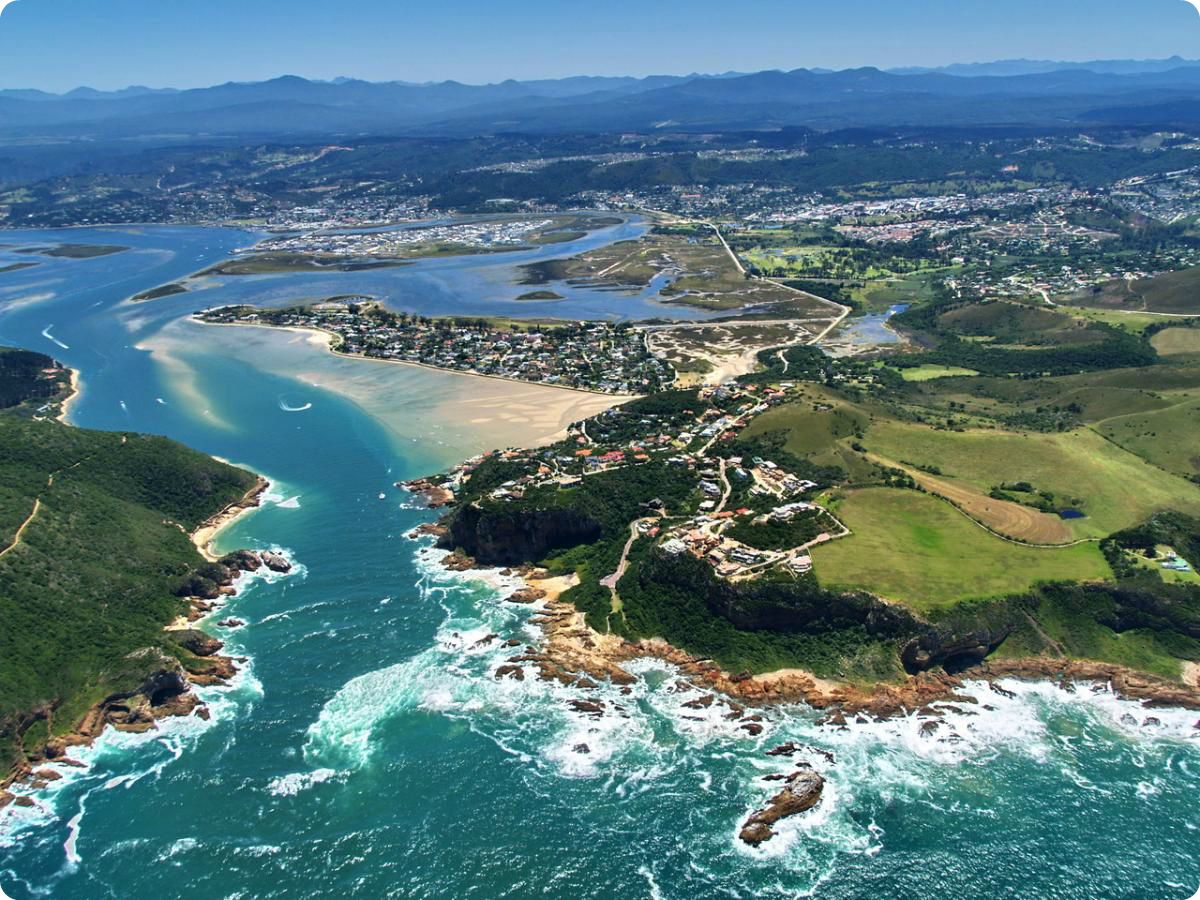
The Knysna Local Municipality has been fined R10 million after pleading guilty to 11 counts of environmental crimes that saw sewerage pollution flow into the Knysna Lagoon and illegal waste disposal sites operate without authorisation for years.
The Knysna Regional Court handed down the sentence following the municipality’s admission that it failed to prevent significant environmental degradation between May 2017 and October 2024. The municipality was convicted on five counts of contravening the National Environmental Management Act, four counts of contravening the National Environmental Management: Waste Act, one count of contravening the Environmental Conservation Act and one count of contravening the National Water Act.
The R10 million fine has been suspended for five years on condition that the municipality uses the money to conduct emergency repairs within agreed deadlines. The municipality has also committed to spending R630 million over five years to ensure compliance with environmental obligations.
Acting Municipal Manager Boy Manqoba represented the municipality during criminal proceedings and entered into a plea and sentencing agreement with the National Prosecuting Authority.
What went wrong
The municipality admitted to operating housing development sites at Erf 214 Knysna and two temporary relocation areas without proper waste management systems. No waste skips or disposal containers were provided at the relocation sites, whilst a septic tank below one site leaked into an unnamed tributary of the Salt River.
Investigators found visible erosion, illegal waste dumping, sewerage pollution, inadequate ablution facilities, illegal electricity connections and domestic pigs being kept at the sites. Between April 2018 and July 2019, the municipality failed to comply with directives to cease excavation activities and appoint environmental practitioners to implement rehabilitation plans.
More recent violations occurred between October 2023 and October 2024, when sewerage overflowed from open manholes into unnamed streams flowing into the Knysna Lagoon. The municipality also unlawfully disposed of waste on Erf 1339 in contravention of directives from environmental authorities.
Conditions of sentence
The municipality must implement long-term action plans for waste treatment and sewerage works, finalise a maintenance management plan for the Bigai River Flood Plain by 30 June, and submit monthly progress reports to Leigh Kelly, the specialised environmental officer who investigated the matter, and Nicholas Kearns, head of component for criminal investigation at the Department of Environmental Affairs and Development Planning.
A status report detailing compliance must be submitted by 1 July. The municipality must also pay R500 000 to the Department of Environmental Affairs and Development Planning by 30 July for environmental law enforcement purposes. The funds will support procurement of equipment, capacity building, training and operational support for environmental management inspectors.
An additional R100 000 fine, or five years’ direct imprisonment, has been wholly suspended for five years on condition that the municipality is not convicted of further contraventions of the National Water Act during the suspension period.
Senior State Advocate Jacomina Swart noted in the agreement that the municipality failed to adhere to its statutory obligations as an organ of state. Both parties agreed that the municipality intentionally infringed upon constitutional and environmental rights of Knysna residents.
Acting Western Cape Director of Public Prosecutions Adv Adrian Mopp welcomed the sentence. According to NPA spokesperson Eric Ntabazalila, the NPA would continue taking all necessary steps to protect the integrity and safety of the environment.
The Knysna Municipality is yet to comment on the outcomes of the case.
ALSO READ: Western Cape Government steps in to address Knysna’s water crisis during peak holiday season

