


Western Cape Minister of Local Government Anton Bredell has expressed deep disappointment at what he calls a “political decision” by the National Council of Provinces to block provincial intervention in the crisis-hit Knysna Municipality.
Bredell criticised the NCOP for using its veto powers to prevent the Western Cape Provincial Government from implementing emergency measures to save the coastal town from what he described as a “foreseeable complete breakdown of service delivery.”
“The National Council of Provinces, through its members, made the political decision to prevent the Western Cape Provincial Government from saving Knysna,” Bredell said in a statement. “It is unfortunate that this decision was clearly made for political reasons as opposed to having been made based on all the evidence of the Municipality’s dysfunction.”
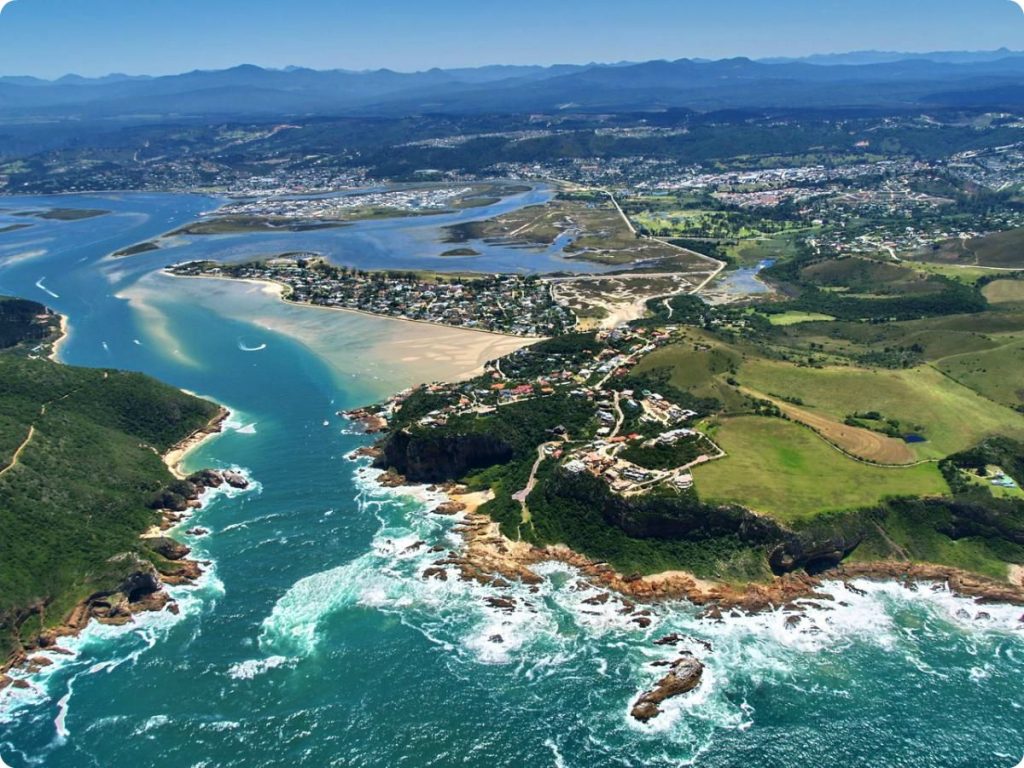
The minister’s frustration comes as Knysna residents continue to face severe infrastructure problems, with raw sewage flowing into streets, homes, and the environmentally sensitive Knysna estuary, posing significant health and environmental risks to the popular Garden Route destination.
“The decision of the NCOP has effectively put the Municipal Council back in charge of its own recovery,” Bredell said, warning that the council’s track record showed it was “unable to correct its self-inflicted governance failures.”
Bredell had sought to implement a Section 139 provincial intervention, which would have dissolved the municipal council and appointed an independent administrator to oversee recovery efforts. This would have unlocked additional funding and resources to stabilise operations and implement long-term governance improvements.
“The dissolution of the Municipal Council and vesting temporary authority in an impartial Administrator, would have enabled the swift implementation of recovery strategies unhindered by entrenched political interests, mismanagement, political interference and lack of oversight,” the minister explained.
However, the NCOP Select Committee concluded that Knysna Municipality had not failed to perform its constitutional duties, based on evidence from local councillors, political parties, unions, and external stakeholders including the Knysna Interest Group and local business forum.
Bredell strongly disputed this finding: “I’m sure that most residents would disagree with this finding, and I hope that the residents of Knysna will understand that the Provincial Government’s hands have now been tied.”
The minister warned that no provincial intervention could succeed when “the political parties making up the Knysna governing coalition, through the NCOP, effectively have a veto right.”
The standoff highlights tensions between different spheres of government and leaves Knysna residents uncertain about when their municipal services crisis might be resolved. The municipality will now have to rely on its current leadership structure to implement recovery measures, despite what the provincial government describes as a track record of governance failures.
The decision means the Western Cape government cannot access the enhanced powers and funding that would have been available through formal provincial intervention procedures.


You must be logged in to post a comment.